

Learn & Discover
Our expert articles on vintage jewelry, its history, and collecting help you make an informed and confident choice.
Frequently Asked Questions
Authentication combines multiple methodologies. We examine hallmarks and maker’s marks under magnification, cross-referencing against documented examples from the period. Construction techniques provide crucial evidence—hand-fabrication methods, specific solder types, and tool marks characteristic of particular eras. Gemological testing using spectroscopic analysis identifies stone treatments and origins.
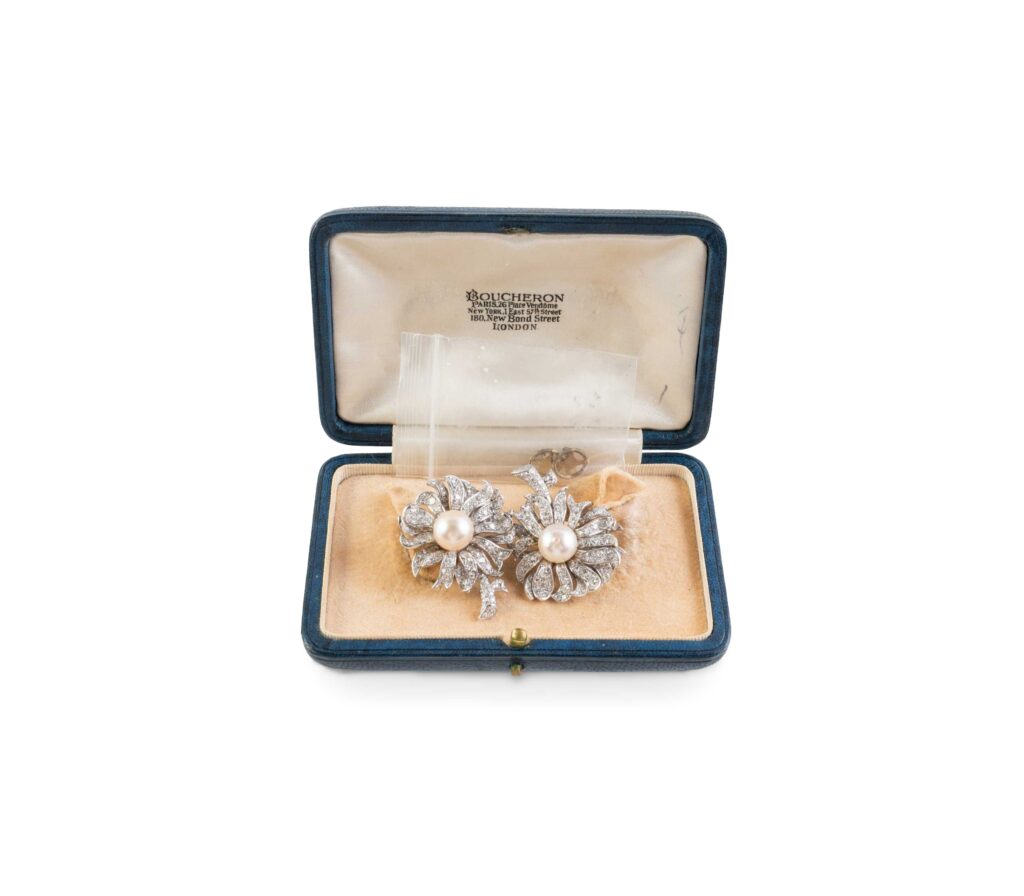
For signed designer pieces, we verify against archive records from houses like Cartier, Van Cleef & Arpels, and Boucheron. Metal testing through X-ray fluorescence confirms alloy compositions typical of specific periods (such as 15-karat gold common in Victorian jewelry). Where documentation exists, provenance research traces ownership through auction catalogs, estate records, and family histories.
These terms describe overlapping but distinct categories. Antique jewelry is at least 100 years old (currently pre-1925), encompassing Georgian, Victorian, and Edwardian periods. Vintage jewelry spans 20-100 years (approximately 1925-2005), including Art Deco, Retro, and Mid-Century Modern periods. Estate jewelry refers to previously owned pieces regardless of age—it describes provenance rather than period. A piece can be both vintage and estate (1940s previously owned bracelet) or estate without being vintage (2015 Cartier ring from private collection). Our collection emphasizes pieces meeting multiple criteria: vintage or antique in age, estate in provenance, and exceptional in craftsmanship quality.
Proper care preserves both aesthetic and investment value. Store pieces individually in soft pouches to prevent metal scratching and gemstone abrasion. Avoid exposure to household chemicals, perfumes applied directly onto jewelry, and chlorinated water affecting metal finishes.
Professional cleaning annually by specialists familiar with antique techniques ensures appropriate methods—some period pieces feature delicate elements like foil-backed stones or organic materials requiring gentle handling. Inspection every 12-18 months identifies wear requiring attention: prong retipping, clasp reinforcement, or hinge tightening.
For valuable signed pieces, maintain documentation including certificates, purchase records, and appraisal updates reflecting current market valuations.
Multiple elements determine market positioning. Designer attribution significantly impacts pricing—pieces from houses like Van Cleef & Arpels, Cartier, and Boucheron command substantial premiums over unsigned examples of comparable quality. Documented provenance, particularly ownership by notable collectors or inclusion in important sales, enhances desirability. Condition affects value considerably—original unaltered pieces with period-correct elements rate higher than extensively restored examples. Rarity drives premium pricing: limited production runs, unique commissions, or designs from specific brief periods. Gemstone quality follows standard criteria (color, clarity, carat weight for diamonds; origin and treatment for colored stones), with natural untreated specimens commanding highest prices. According to recent auction data, exceptional signed vintage pieces appreciate 20-40% over five-year periods, particularly those combining multiple value factors.
Durability varies by construction type and period. Many estate pieces, particularly mid-century designs and those from prestigious houses, were crafted for regular wear using robust techniques—secure settings, reinforced shanks, and durable metal alloys. Art Deco platinum jewelry, for instance, offers exceptional strength due to metal density and solid construction methods. However, certain pieces require consideration: delicate Victorian filigree benefits from occasional rather than constant wear, and jewelry featuring organic materials (pearls, coral) demands careful handling.
Our conservation specialists assess each item’s suitability for frequent use, sometimes recommending protective modifications like adding safety chains to valuable necklaces or reinforcing worn clasps while preserving original aesthetic. For clients seeking daily-wear vintage pieces, we guide selection toward examples combining historical appeal with practical durability, ensuring treasures remain both beautiful and functional heirlooms.