The Maison’s Jewelry Heritage
Established in Geneva in 1755, Vacheron Constantin holds the distinction of being the world’s oldest continuously operating luxury manufacture. While the maison built its global reputation on haute horlogerie, its jewelry production represents an equally rigorous application of Geneva’s finest goldsmithing traditions, sharing the same workshop culture: hand-finishing standards, material selectivity, and a rejection of industrial compromise that defines authentic high end estate jewelry from this house.
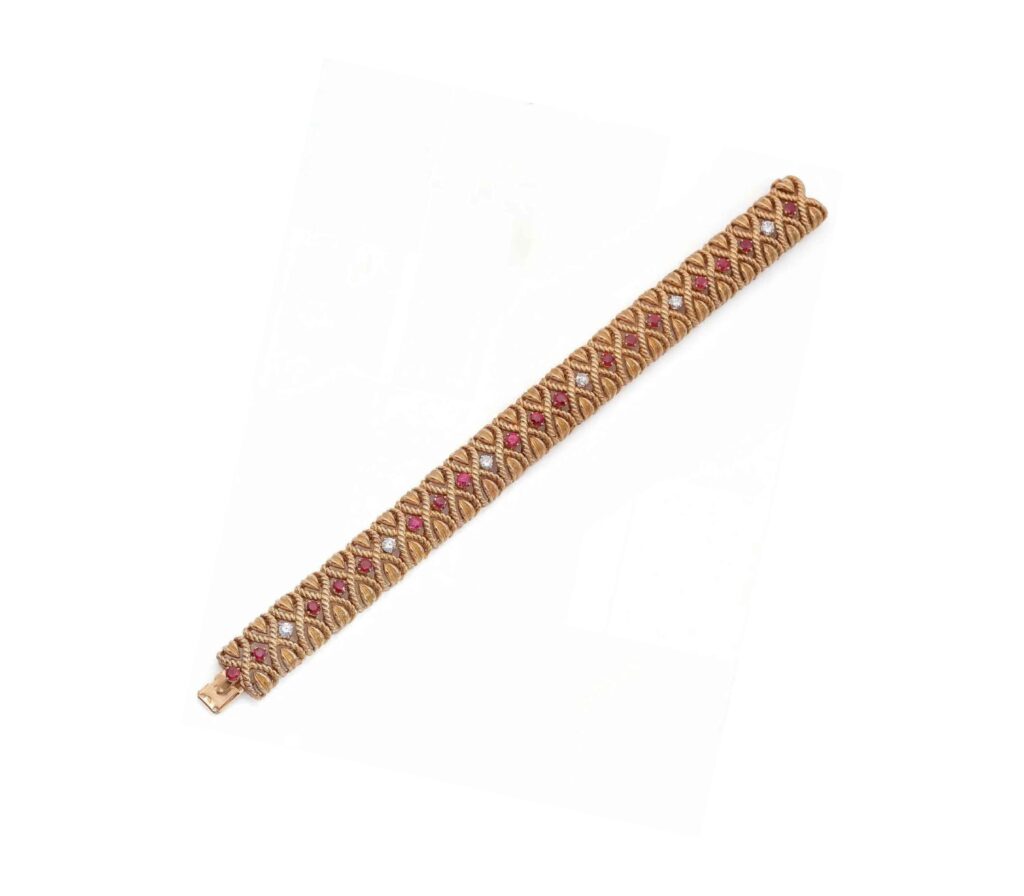
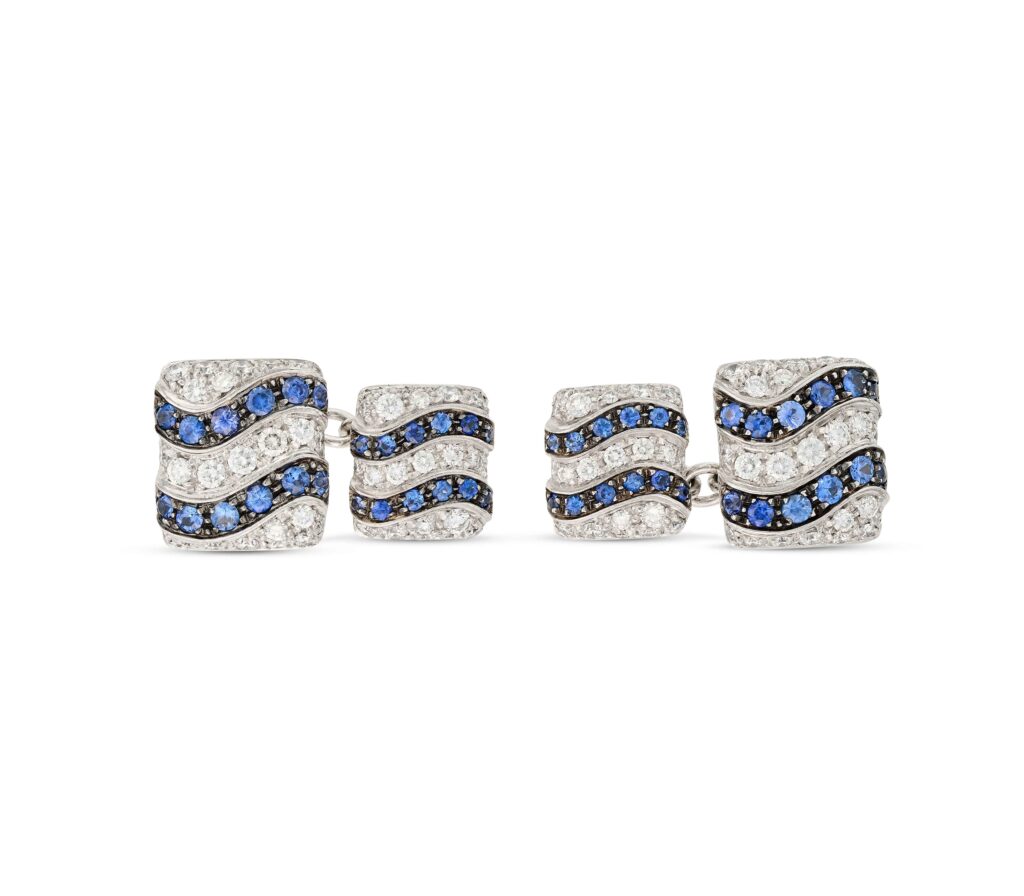
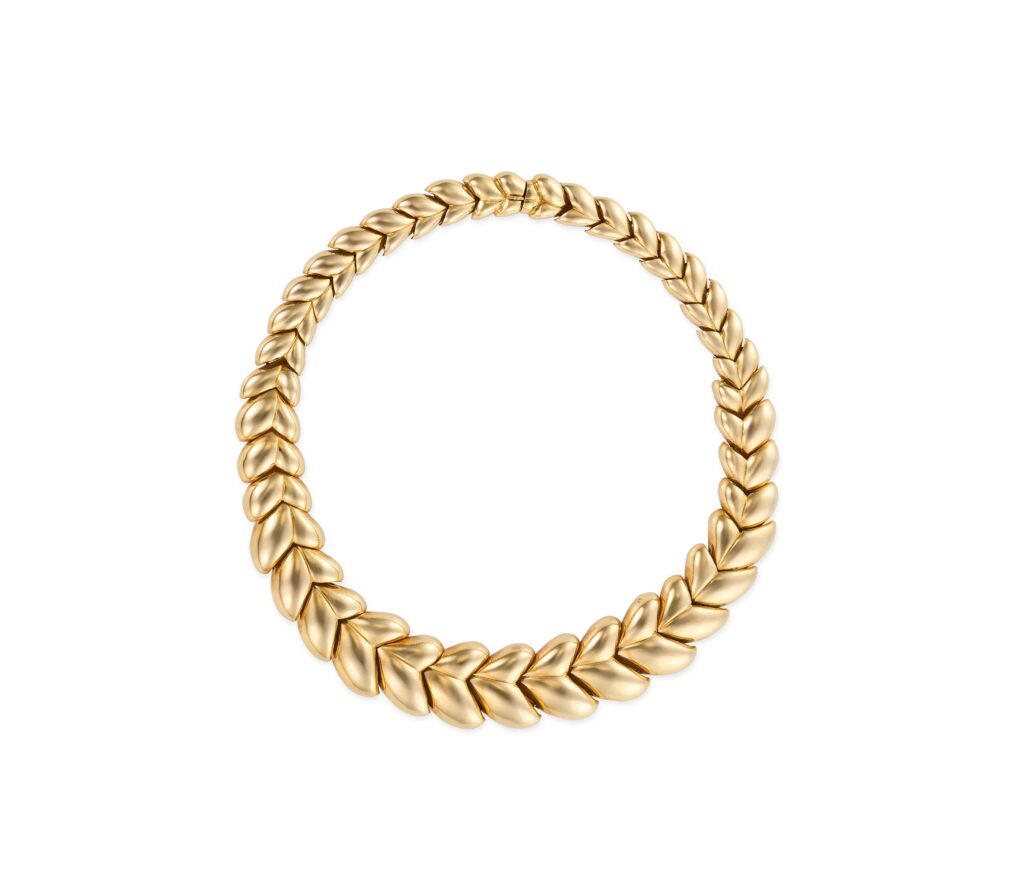
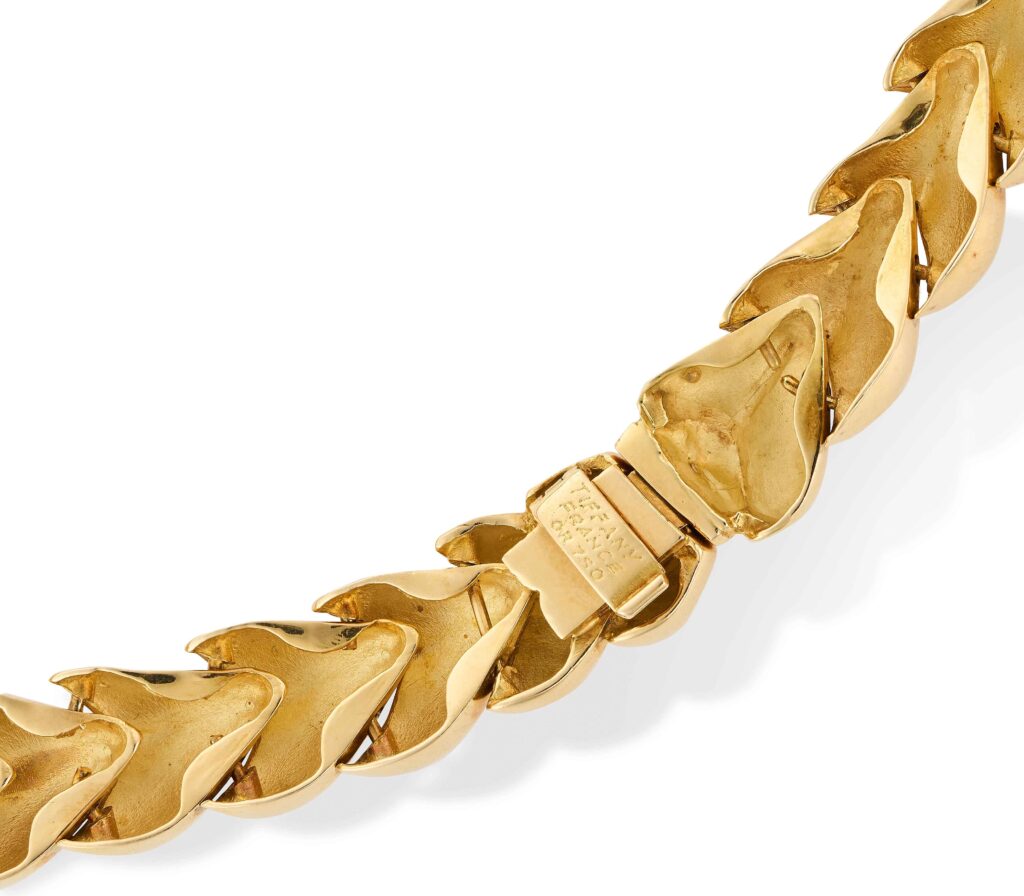
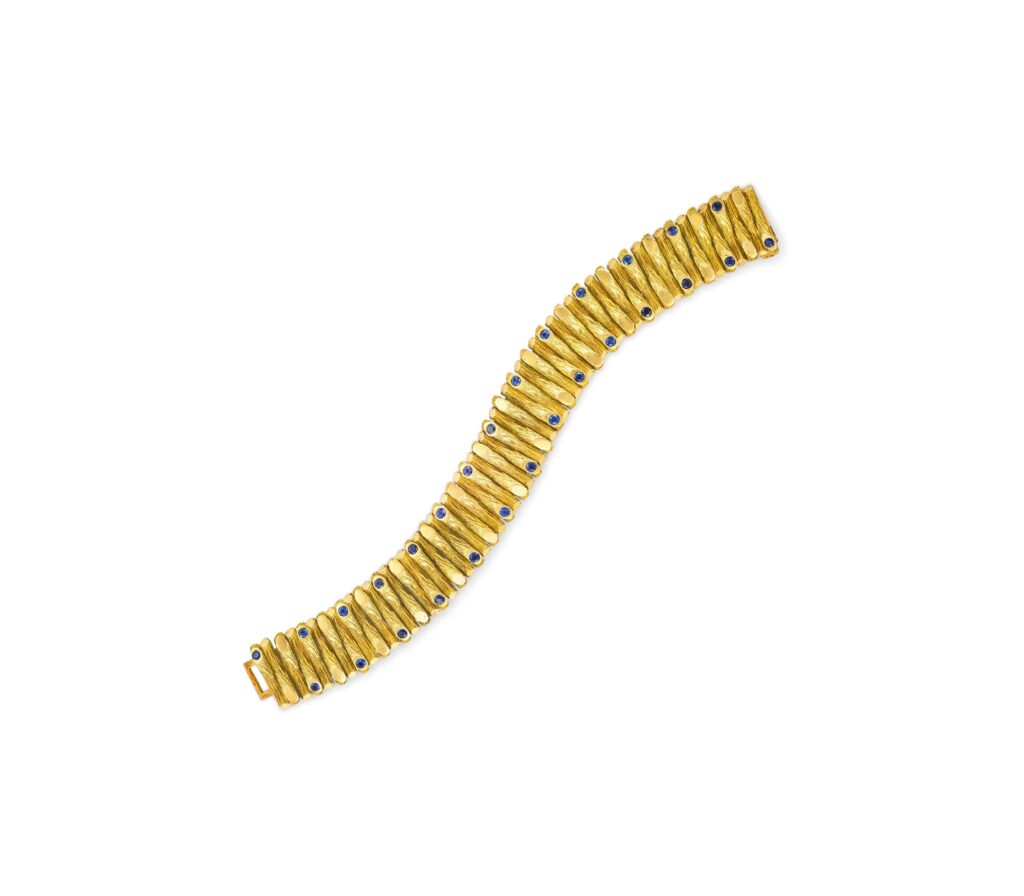
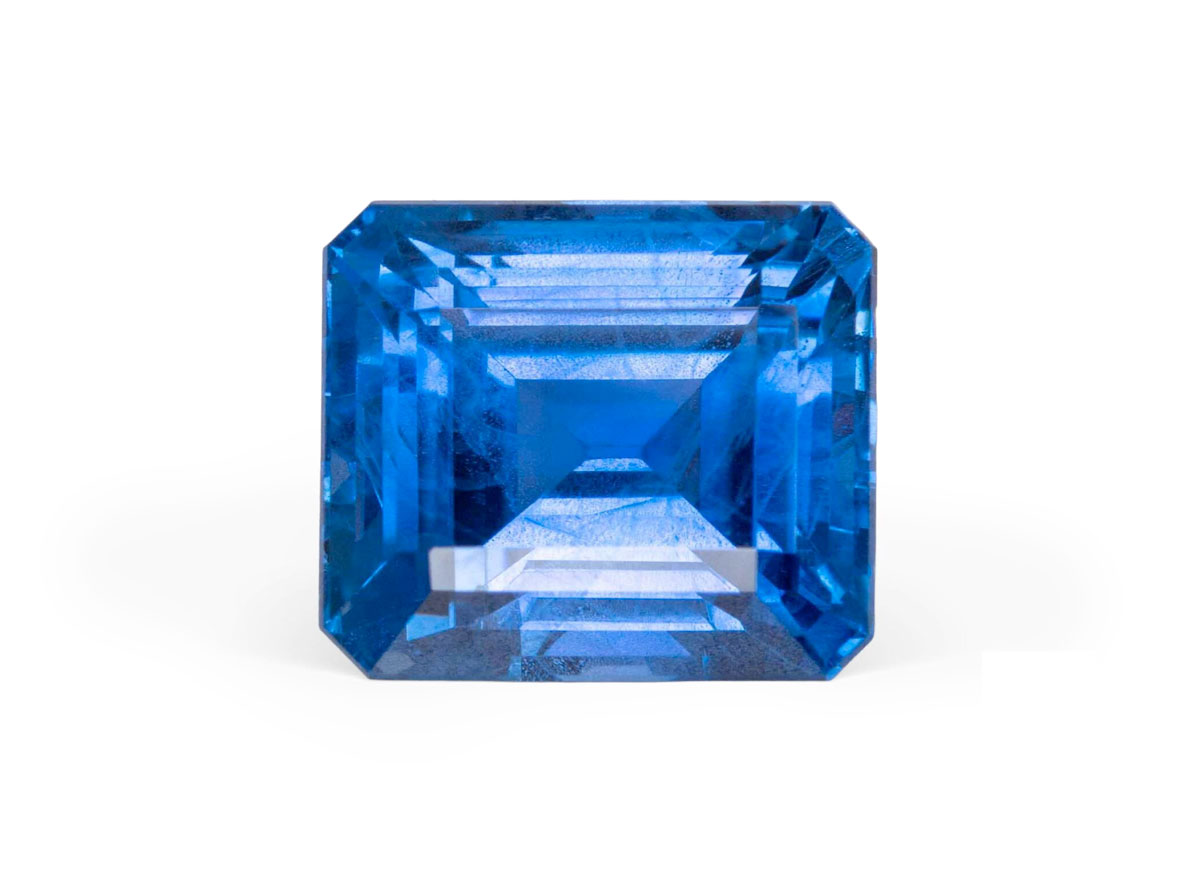
Retro jewelry from the 1940s and 1950s features bold articulated gold constructions in 18k yellow gold (750) with characteristic bark-finish texturing, while Art Deco examples employ geometric platinum frameworks with calibré-cut sapphires and old European-cut diamonds demonstrating the maison’s characteristic technical precision. Authentication of pre owned Vacheron Constantin pieces relies on Geneva hallmarks consistent with Swiss cantonal assay standards, the maison’s signature cartouche, and construction quality specific to each production period — markers distinguishing genuine antique examples from later reproductions.
Grygorian Gallery’s Vacheron Constantin Collection
Few luxury jewelry categories reward specialist knowledge as consistently as estate pieces from horological maisons, where the intersection of watchmaking heritage and goldsmithing tradition creates authentication considerations absent from purely decorative houses. Grygorian Gallery’s approach to previously owned Vacheron Constantin pieces draws on Eduard Grygorian’s expertise cultivated at prestigious maisons including Boucheron and Chaumet, combined with established relationships with Geneva specialist dealers who operate at precisely this intersection.
Each item undergoes examination for Swiss production hallmarks, period-appropriate construction standards, and gemological assessment of accompanying stones using spectroscopic analysis where treatment history requires verification. Custom goldwork details and hand-engraved surfaces are evaluated against documented production records. Where original cases, certificates, or provenance records accompany a piece, this heritage documentation is shared transparently.
Conservation is carried out in our South of France atelier using traditional Geneva goldsmithing methods, ensuring these gently used pieces retain the authentic character that underpins their collectible value.
Investment Value and Collector Appeal
Among collectors of fine jewelry with documented institutional heritage, estate Vacheron Constantin occupies a category defined by scarcity and verified continuity. The maison’s uninterrupted production history since 1755 provides provenance depth unavailable from younger houses, while consistent presence at Christie’s, Sotheby’s, and specialist horological auctions confirms sustained market recognition for signed examples in strong condition.
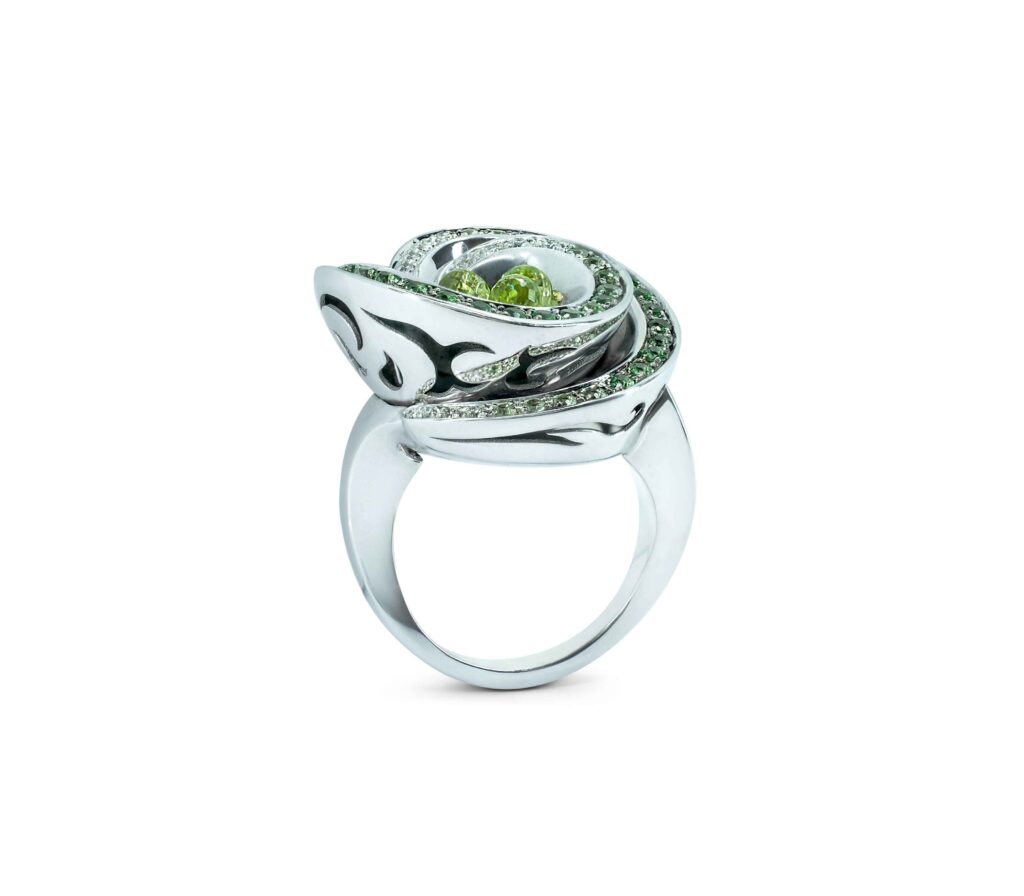
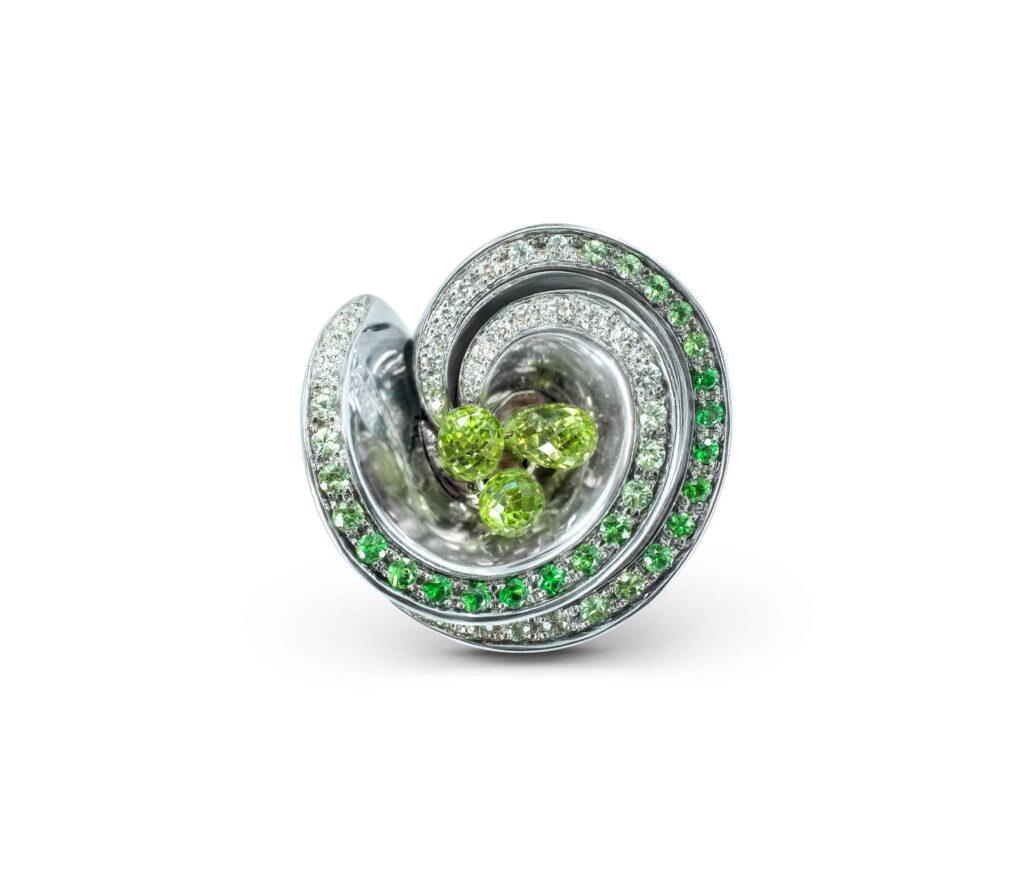
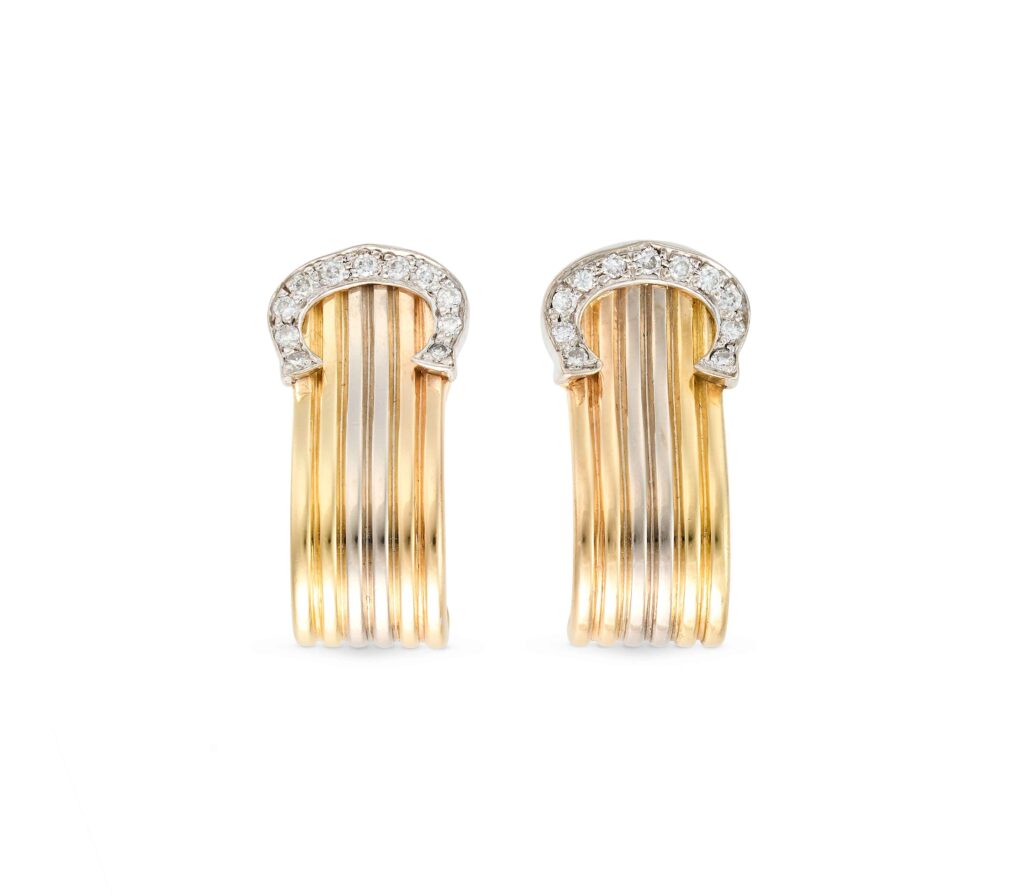
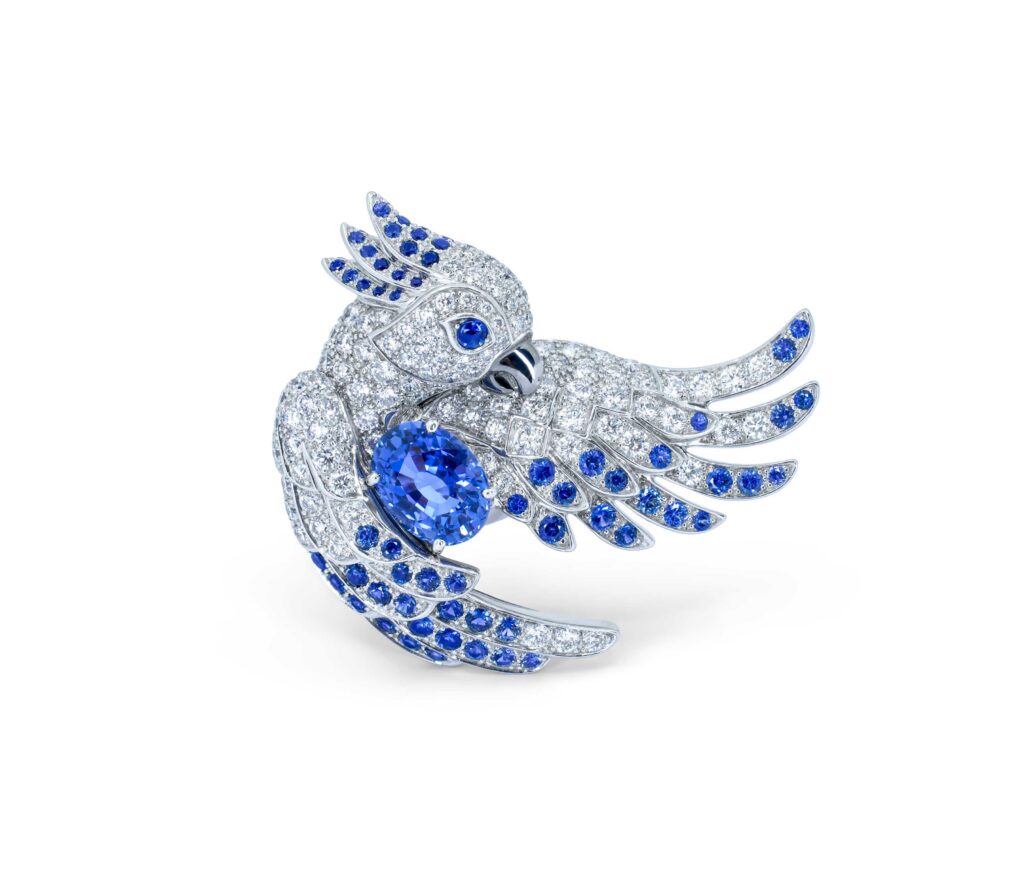
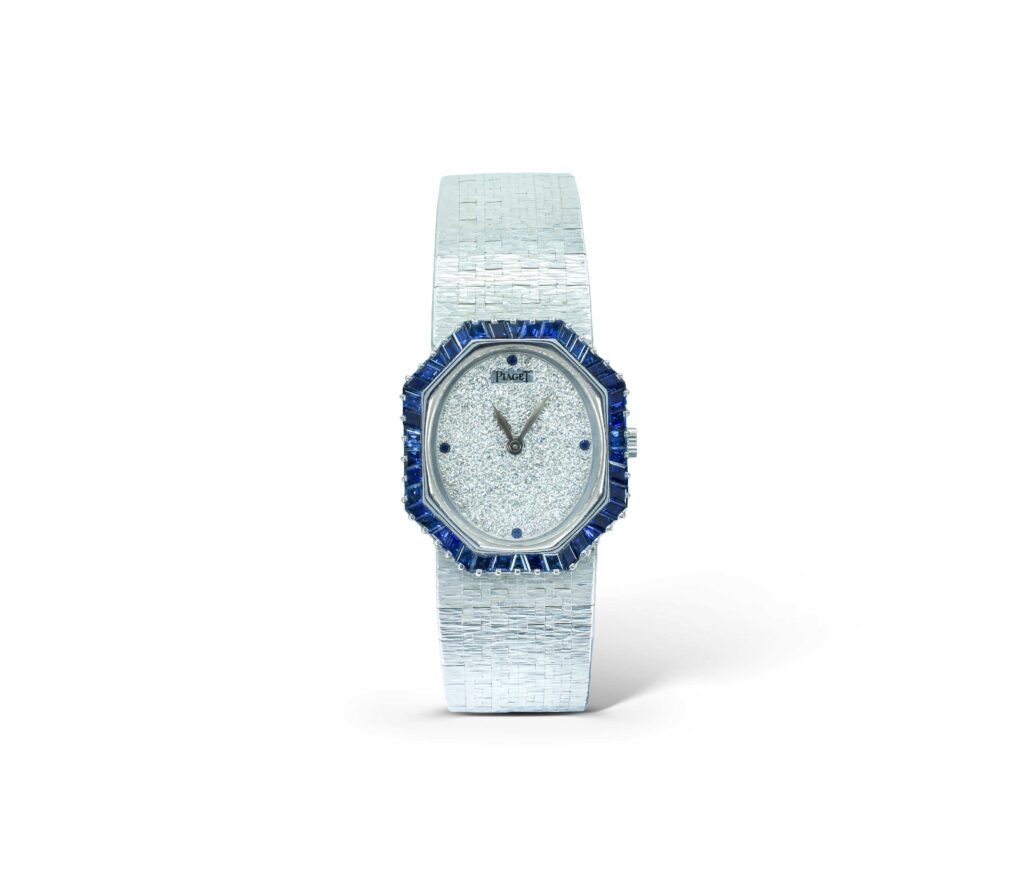
Pre owned Vacheron Constantin jewelry represents valuable assets combining material quality with heritage significance that few luxury houses can match. Articulated gold bracelets with hand-textured surfaces, old jewelry constructions featuring natural sapphires or old-cut diamonds, and signed pieces from the maison’s most celebrated decorative periods are among the unique finds that reward patient collecting.
Hand-fabrication techniques including millegrain borders, hand-engraved gallery work, and custom stone integration position these beautiful collectible treasures as enduring additions to any serious collection — designer pieces whose elegance derives not from novelty but from the irreplaceable depth of nearly three centuries of unbroken craft. Our specialists provide personalized consultations to identify rare vintage Vacheron Constantin pieces aligned with aesthetic vision and long-term investment strategy.