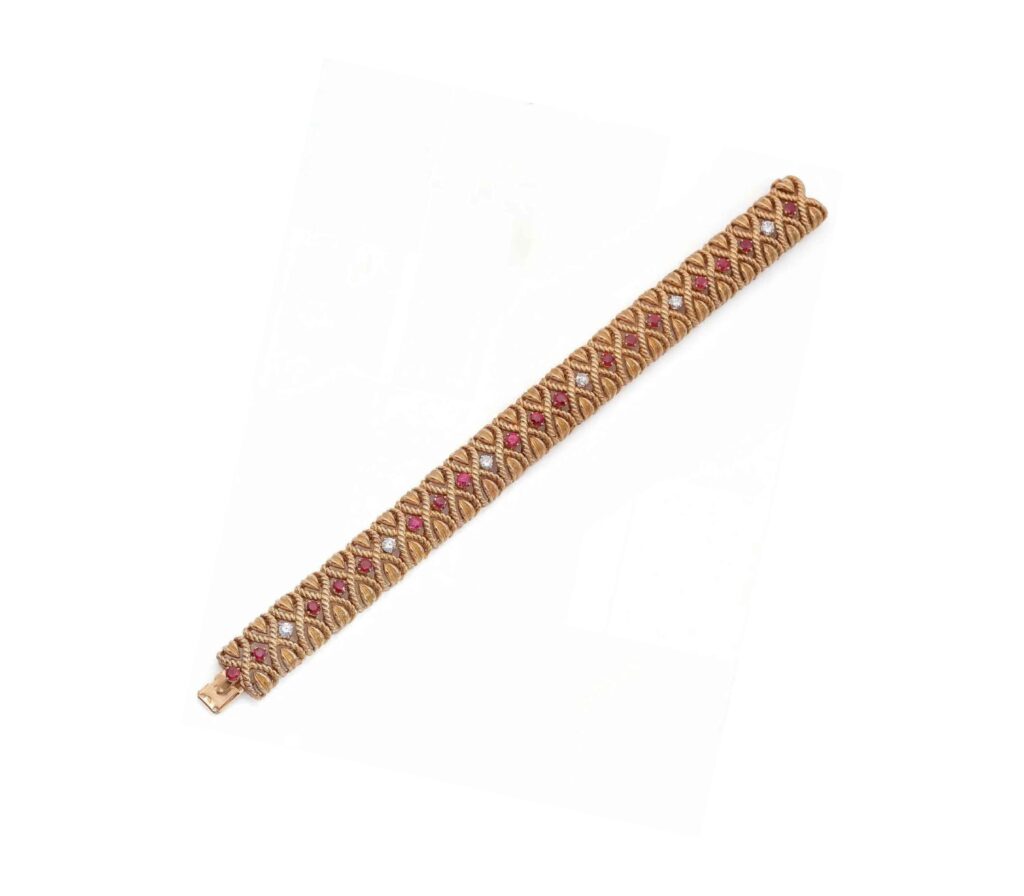
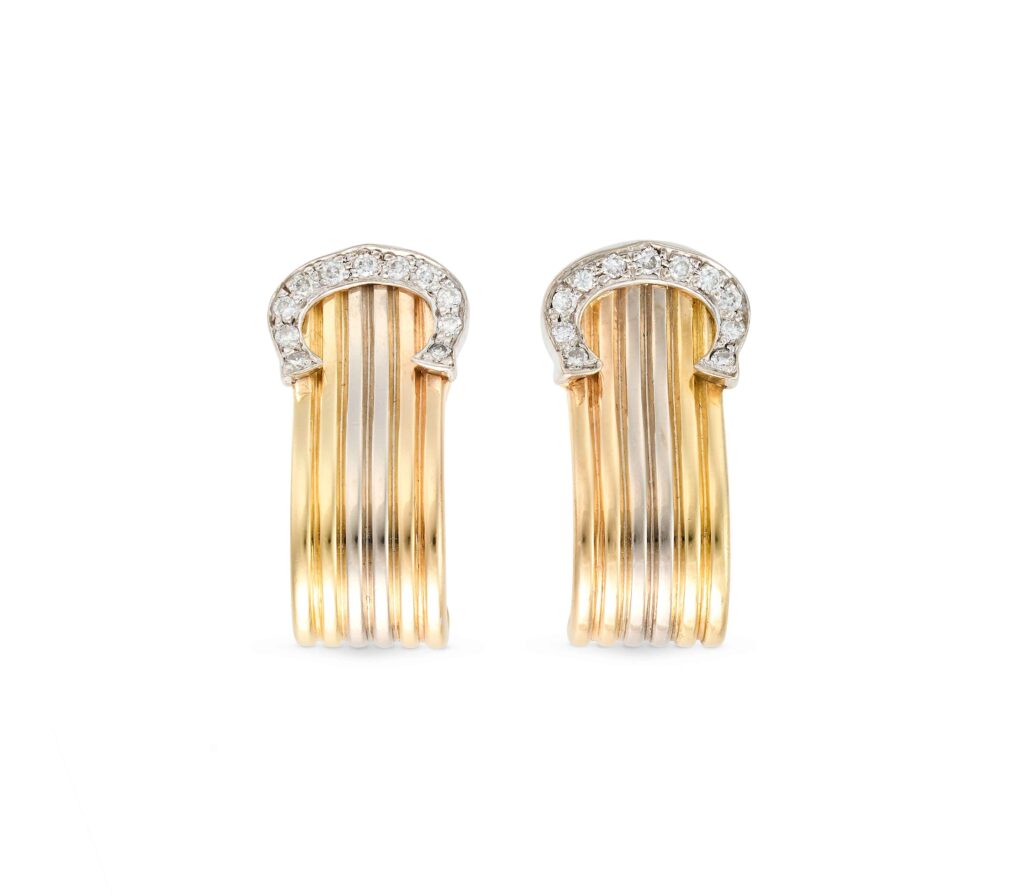
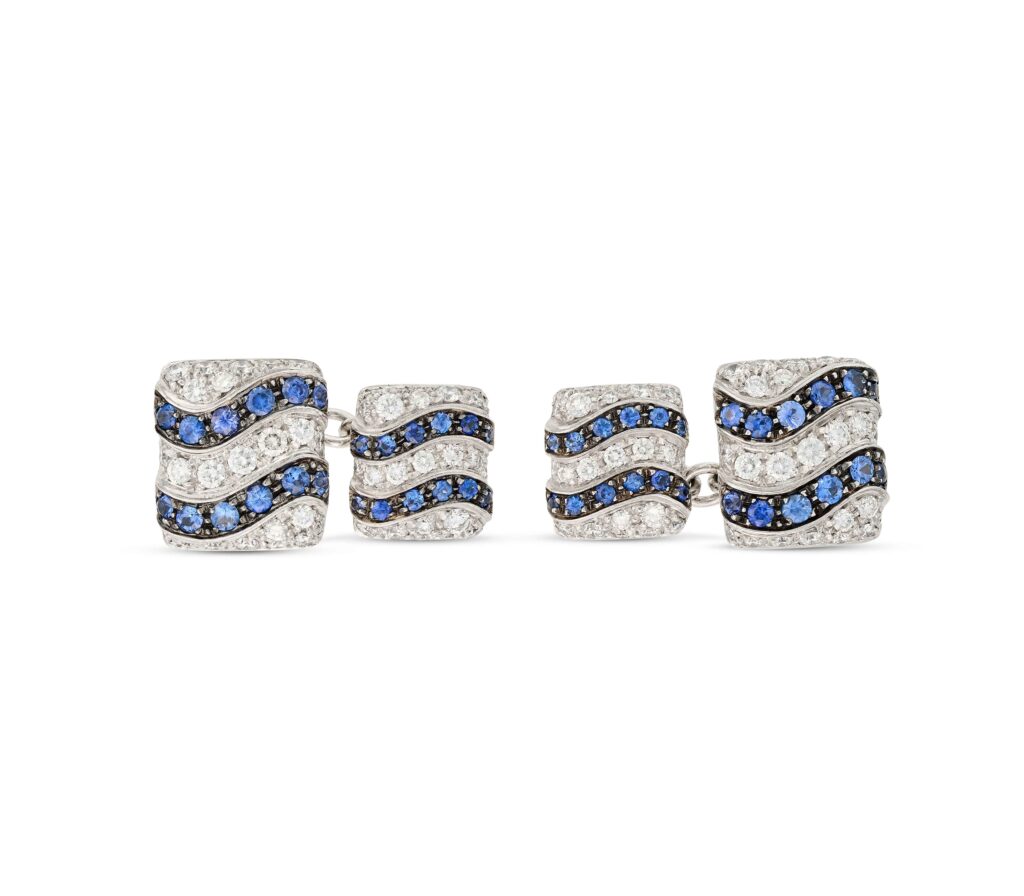

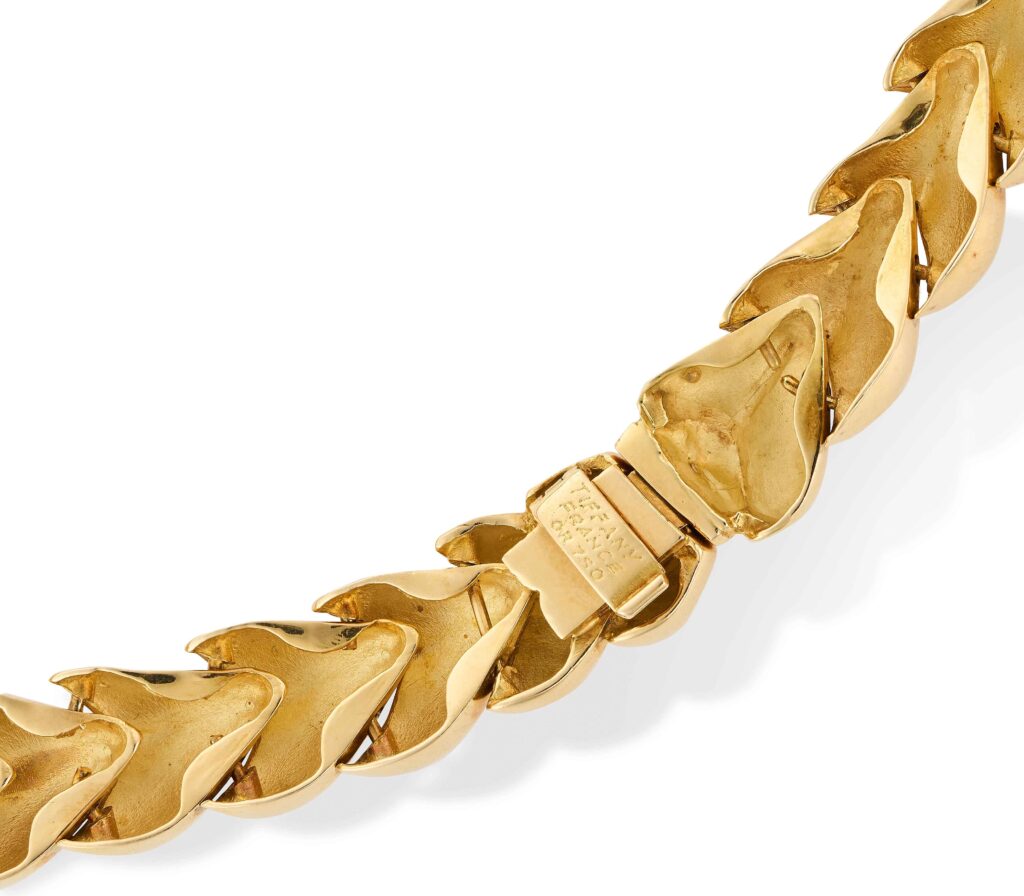





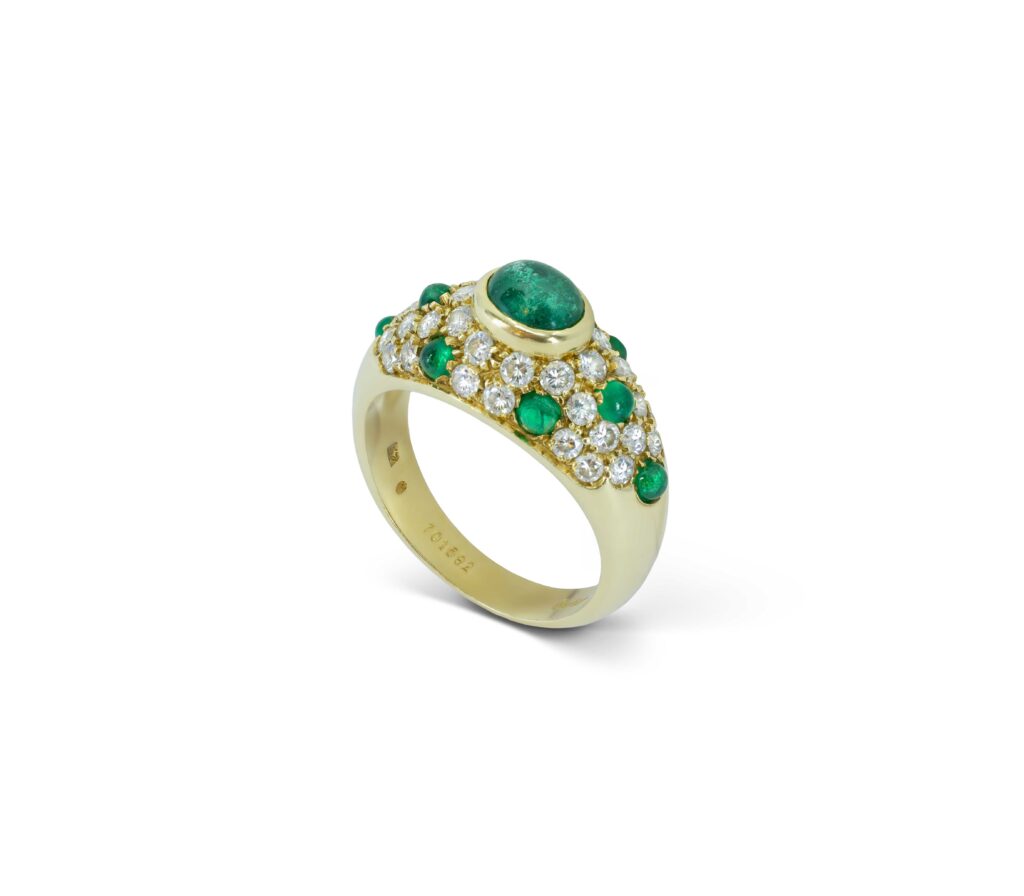
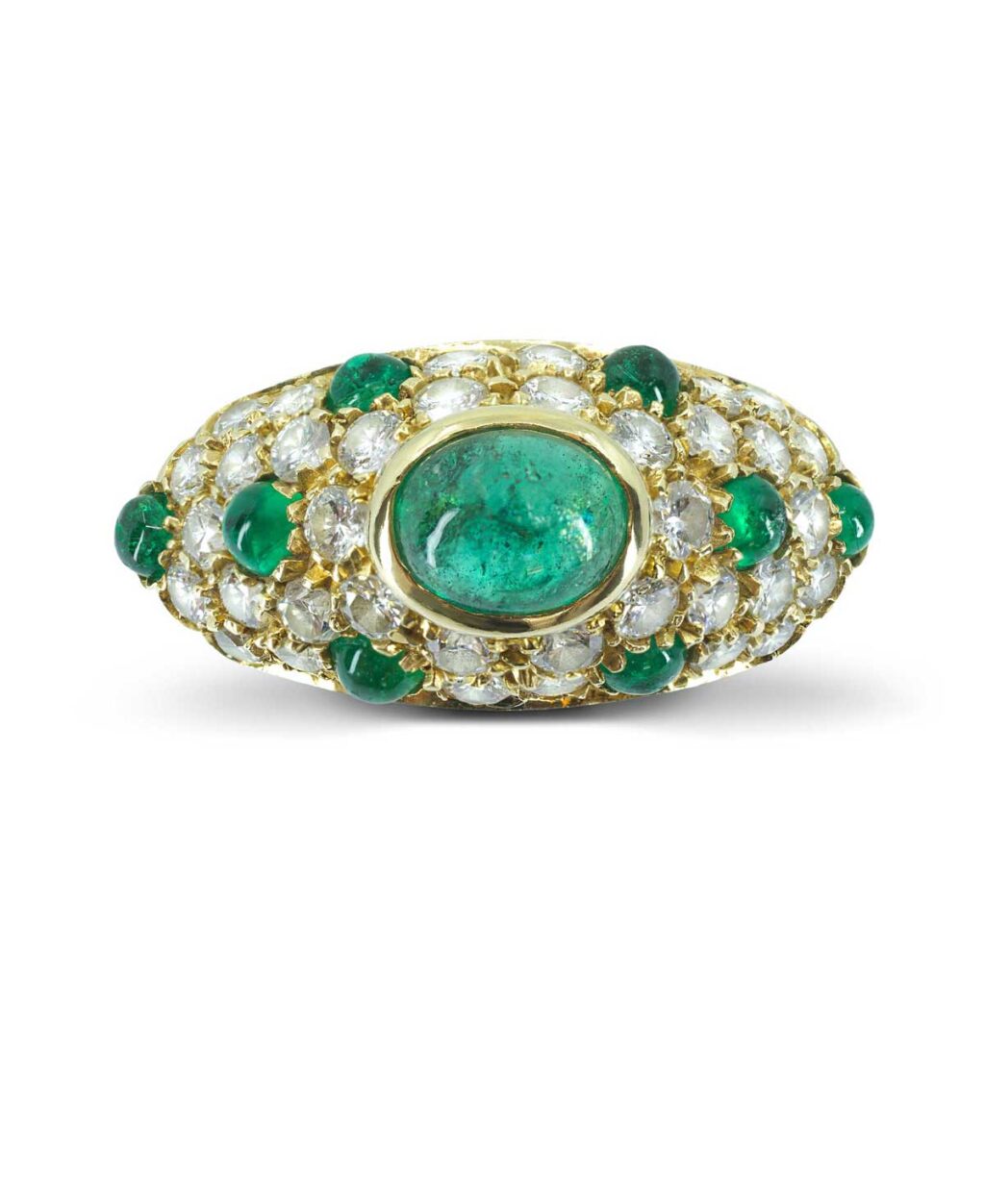
Some things never age. Not because they are made of gold or set with rare stones, but because in every line, every setting, every polished curve there lives a particular kind of knowledge — a knowledge of what it means to work with absolute precision.
Origins: The Atelier as Philosophy
In 1847, a young Louis-François Cartier took over a small Paris jewelry workshop from master craftsman Adolphe Picard. The moment could easily have been nothing more than a new name above the door — one among many in the quarter where the city’s jewelry guild lived and worked. Instead, it became the seed of an enterprise that would spend a century and a half defining what jeweler’s excellence truly means.
What separates an atelier from a factory is neither size nor output. An atelier is, above all, a way of organizing knowledge. It is a place where mastery passes from hand to hand, where tradition is not preserved in amber but remains alive and evolving, where every piece carries within it not only design and material, but a human presence — an eye trained over years, hands with memory, the echo of a teacher. This understanding lay at the foundation of the House of Cartier and, over time, became its greatest competitive strength.
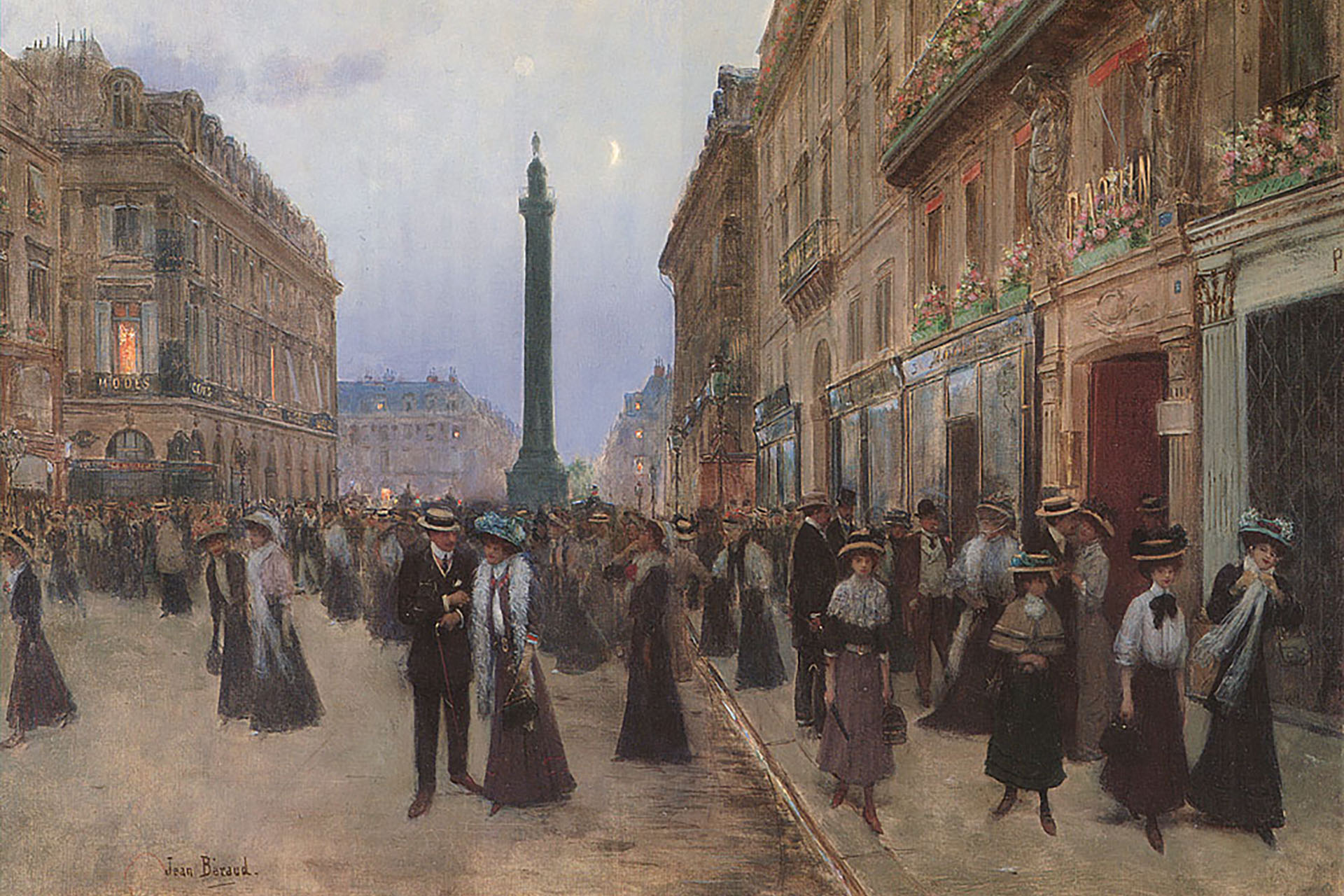
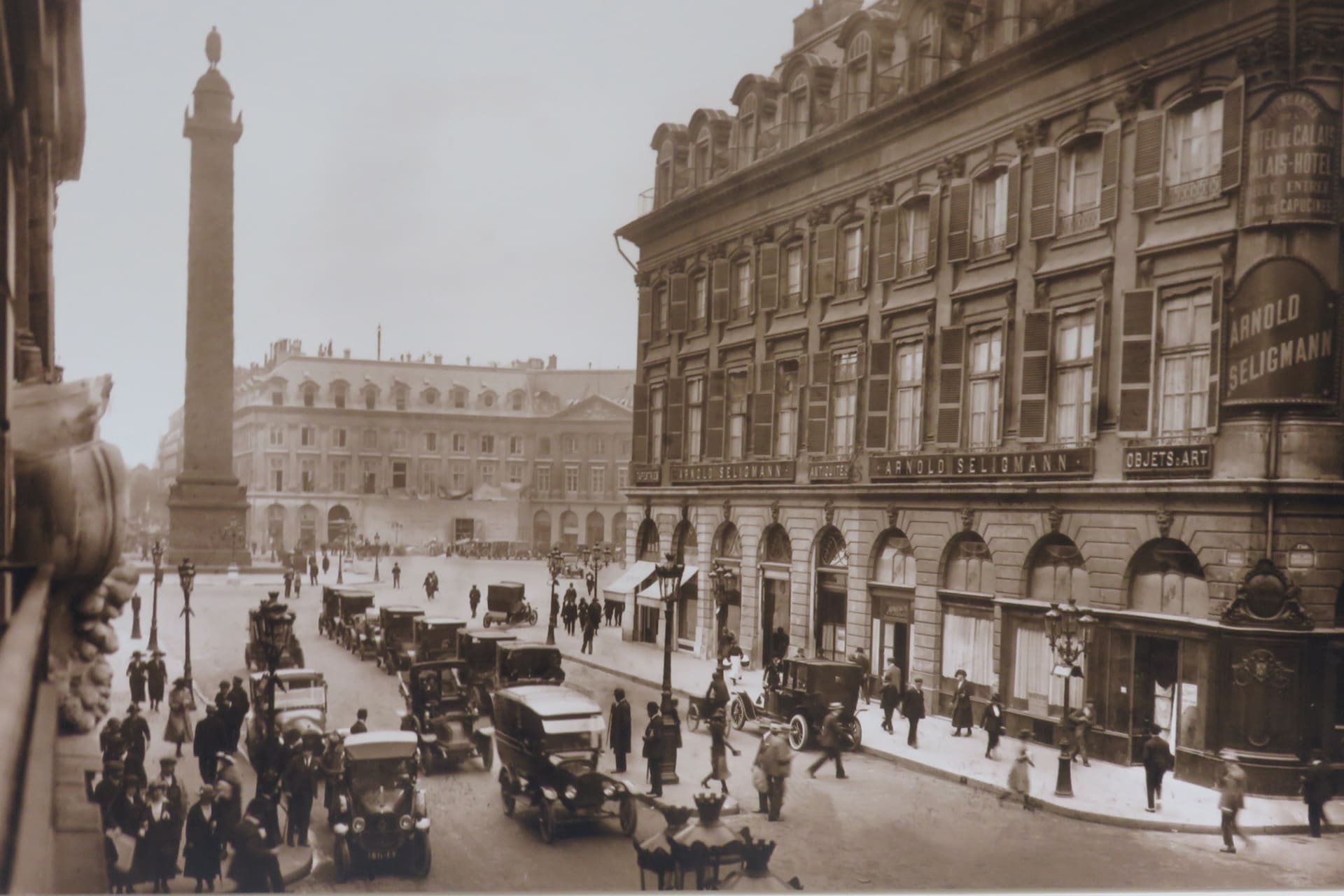
In 1899, when the House moved to 13, rue de la Paix — the main artery of Paris’s jewelry quarter — it was more than a change of address. It was an act of arrival: Cartier took its place among the great houses of taste. The rue de la Paix, stretching from the Opéra to the Place Vendôme, was the epicenter of luxury and ambition. To have an address there was to speak a language understood by kings and financiers, empresses and the rising icons of early cinema.
In the classical model of a French jewelry house, the atelier is not a single workshop but an entire ecosystem of interconnected competencies: artistic direction shaping visual identity; an engineering and design department solving problems of complex mechanisms and settings; master assemblers and stone-setters; gem expertise; and finally, restoration — extending the life of each object long after its creation. It was precisely this system — not marketing, and not capital alone — that allowed Cartier to scale without losing its soul: expanding its reach while preserving what made its objects things, not merely products.
Cartier: The Family That Built an Empire
The history of Cartier is, in many ways, a family story — one in which each generation played a distinct role in building the House. Alfred Cartier, son of the founder, oversaw the transformation from private workshop into a genuine institution, laying the organizational foundation that allowed Cartier to think and act as a “House” in the fullest sense.
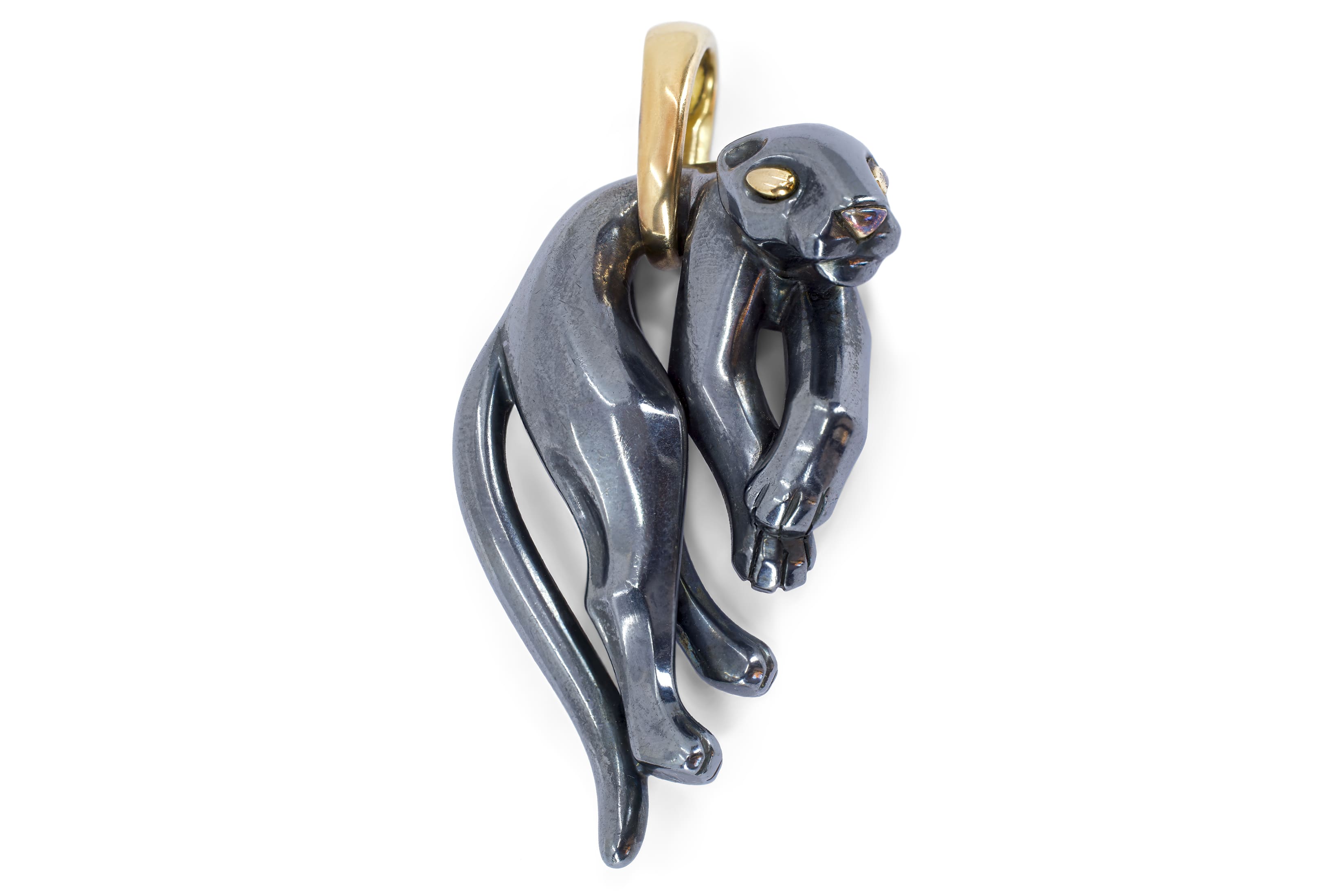
His son Louis Cartier (1875–1942) defined its aesthetic language: formal discipline, clarity of line, and the seamless union of engineering precision with artistic intuition. Working alongside him was Jeanne Toussaint — one of the rare women to hold a leading position in haute joaillerie at the time. From 1933, as director of fine jewelry, she embedded one of Cartier’s most enduring symbols into its identity: the panther — sculptural, alive, and unapologetically bold.
Pierre Cartier (1878–1964) established the American chapter, opening the Fifth Avenue mansion in New York in 1917. For the culture of the atelier, this was a matter of principle: selling fine craft on another continent meant building not just a store, but an entire infrastructure of trust — a physical address, a client ritual, a body of social capital. The London branch, opened in 1902 under Jacques Cartier (1884–1941), completed the Paris–London–New York triangle that became the backbone of the House’s global reach.
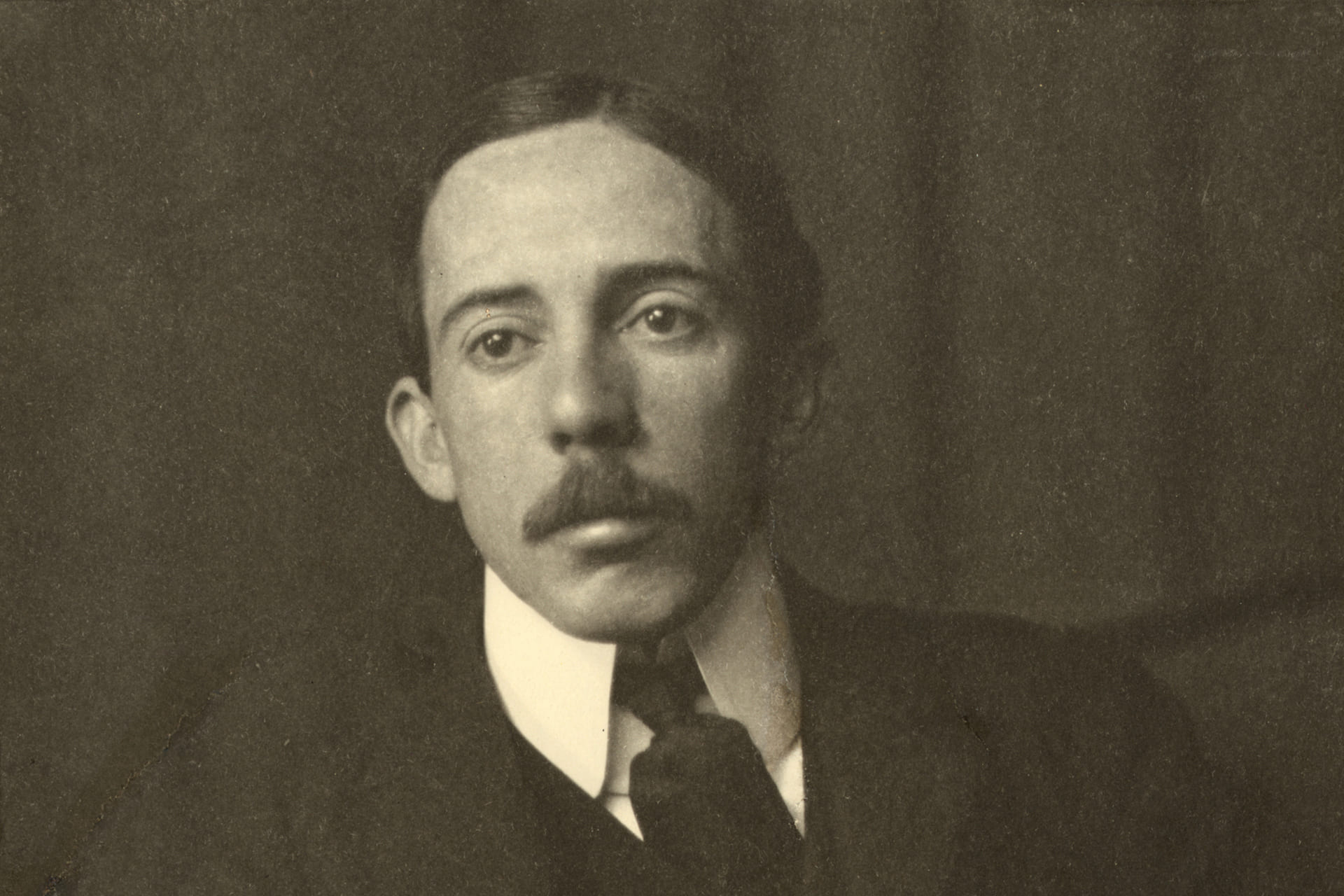
A separate chapter belongs to Alberto Santos-Dumont — the Brazilian aviator and close friend of Louis Cartier. His request was simple and revolutionary at once: a watch he could read without taking his hands off the controls. In 1904, the answer was the Santos — the first wristwatch produced at scale with a deliberately architectural design. It marked the birth of a new category: the watch as a jeweled object standing at the intersection of engineering and pure form.
Cartier Creations That Became a Language
Very few houses manage to create not just objects but genuine cultural forms — things whose shape becomes an independent statement. Cartier has done this several times, and each time with jeweler’s precision.
The Tank, introduced in 1917, is a manifesto of modernist restraint. A rectangular case, austere brancards, a disciplined dial — nothing superfluous, everything intentional. The architectural clarity of its form could comfortably stand alongside Le Corbusier or Malevich. A century later, the Tank once owned by Jacqueline Kennedy Onassis sold at Christie’s for $379,500 — a value defined not by the metal or the movement, but by history.
The Panthère motif evolved from a pencil sketch into one of the most technically demanding sculptural achievements in jewelry. It is not ornament but construction — requiring mastery in three-dimensional stone-setting, volumetric assembly, and a deep understanding of movement. A Panthère bracelet from 1952, closely associated with Jeanne Toussaint, sold at Sotheby’s for approximately $7 million.
Tutti Frutti, emerging from the 1920s, combined carved emeralds, sapphires, and rubies with diamond surrounds in compositions that appear spontaneous, almost painterly. Behind that vibrancy lies extraordinary precision: every carved stone calibrated to its setting, every color balanced within the ensemble. A bracelet in this style sold at Sotheby’s for approximately $1.8 million. The joyful palette rests on a mature supply chain and deep expertise in gem selection — not a single carved ruby or emerald arrived in a piece by accident.
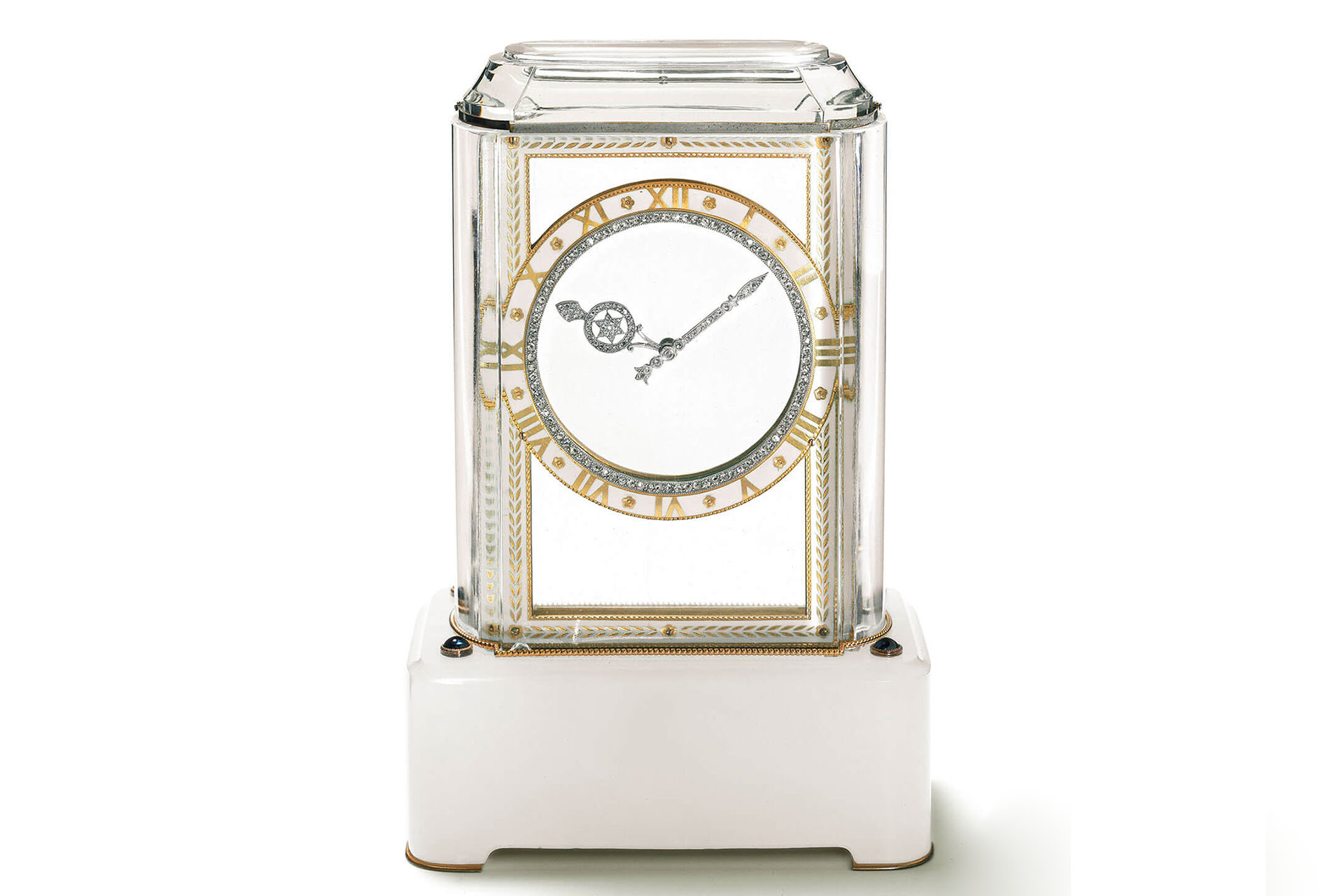
The Mystery Clocks are perhaps Cartier’s most audacious engineering-and-art venture. Their hands appear to float without any visible mechanism, in apparent defiance of reason. This illusion is the product of jeweler’s engineering at the highest level. The Portico Mystery Clock No. 3, made in 1924, sold at Phillips in 2025 for CHF 3,932,000 — nearly $4.73 million. Mystery Clocks represent the outer limit of the House’s capabilities: its R&D laboratory and its calling card at once, natural candidates for museum collections, and consistent setters of auction records.
The Auction Room: Where Value Is Tested
The auction room is a uniquely honest environment. There are no advertising budgets, no brand strategies, no possibility of setting a price by executive decree. Only one thing rules: the real value of an object in the eyes of those who know. And it is Cartier’s auction results that prove, more convincingly than anything else, that atelier culture is not a beautiful story — it is a measurable economic reality.
The Sunrise Ruby — in a Cartier setting — sold at Sotheby’s Geneva in 2015 for $30,335,698, becoming one of the most expensive rubies in auction history. The Cartier mounting gave this stone a worthy home — and became part of its legend.
The Hutton–Mdivani Jadeite Necklace by Cartier, from 1933, set a record for its category in 2014 — $27,400,000 at Sotheby’s. A benchmark of haute joaillerie: rare material, immaculate execution, documented provenance.
La Peregrina — a pearl once worn by Spanish queens — was given new life in a 1972 Cartier piece created with Elizabeth Taylor. At Christie’s in 2011, the necklace sold for $11,842,500. This lot is a perfect illustration of the atelier principle: a great craftsman does not compete with an object’s history — he continues it.
The Taj Mahal — the famous flat heart-shaped carved ruby, also once owned by Elizabeth Taylor — was set on a Cartier chain around 1972, transforming a historic gem into a complete masterwork. At Christie’s in 2011 it reached $8,818,500.
The Belle Époque devant-de-corsage brooch of 1912 — an intricate platinum construction worn like a living flower — sold at Christie’s in 2014 for CHF 15,845,000.
The Tank belonging to Jacqueline Kennedy Onassis — worn by one of the most stylish women of the twentieth century — sold at Christie’s in 2017 for $379,500. That price reflects not the metal, but the story.
Each of these results says the same thing: artisanal rarity, documented provenance, and historical context create a form of value that no marketing budget can replicate. The auction room is the most honest critic there is — no advertising, no influencers, no seasonal trends. Only one question remains: will this object still hold its value in twenty, fifty, a hundred years? Cartier’s record answers without hesitation: yes.
Mission and Legacy: A House That Thinks About the Future
A major jewelry house inevitably becomes an institution — not merely a commercial one, but a cultural one. Cartier understood this early and acted on it consistently.
In 1984, the Fondation Cartier pour l’art contemporain was established — now one of the leading private centers for contemporary art in the world. This is more than patronage: it is a long-term investment in cultural capital, a declaration that the House lives not only in the past but in the present. In 1995, Cartier created an award for young watchmakers — a direct investment in sustaining the craft base without which everything else loses meaning. By 2025, the program had reached its 28th edition.
In 2006, the Cartier Women’s Initiative was launched — a global program supporting female entrepreneurs that each year identifies and backs those building something new from the ground up. In 2021, Cartier co-founded the Watch & Jewellery Initiative 2030 — an industry-wide sustainability framework built around three priorities: climate resilience, resource stewardship, and inclusivity.
The Cartier for Nature program deserves special mention — environmental partnerships that include collaboration with the Peace Parks Foundation on the conservation of natural territories in Africa. This is not corporate window dressing: it is a recognition that the beauty of the materials a jewelry house works with is inseparable from the beauty of the world they come from. A responsible atelier is one that thinks about the consequences of its own existence.
Behind all of these initiatives lies a simple understanding: a house that wants to endure must think not only about this season’s returns, but about what kind of world exists a generation from now. The atelier works on a long horizon — or it does not work at all.
2026: The Atelier in a World Changing Faster Than Before
The luxury industry today stands at the intersection of several converging transformations. Digital sales channels are becoming dominant — Richemont Group’s 2025 financial results show sustained growth in direct-to-consumer online sales. Demands for supply chain transparency are intensifying: clients want to know where the gold originates, whose hands brought the stone to the surface, what impact production has on the climate. At the same time, there is a growing scarcity of truly skilled craftspeople — those capable of working at the level where exceptions are made by hand.
For Cartier and for atelier culture as a whole, this is simultaneously a risk and an opportunity. The risk: digital interfaces may erode the tactile, almost ceremonial experience of luxury if they are not backed by a convincing reality of service and craft. The opportunity: documented provenance and transparency are becoming a premium in their own right — brands able to demonstrate their supply chains and the quality of their making are winning the competition for trust.
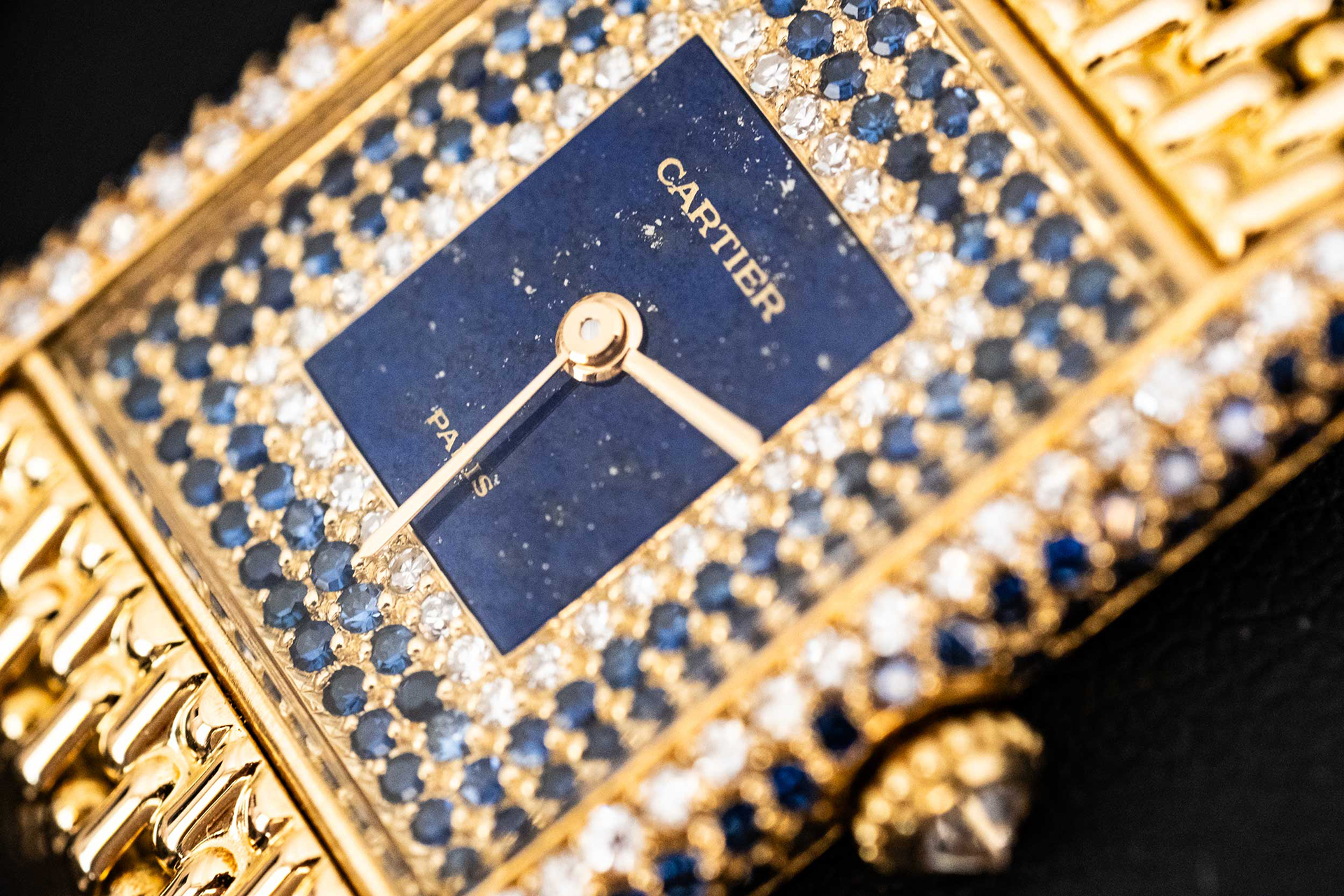
Cartier is responding systematically. At the level of materials — written commitments from suppliers to responsible gold sourcing, and programs to eliminate problematic raw materials from the chain. At the industry level — the Watch & Jewellery Initiative 2030, which explicitly acknowledges the need to preserve traditional craft skills in the face of digitalization. At the cultural level — continued support for young craftspeople and the institutions that carry this knowledge forward.
Within the Richemont group, sustainability governance is becoming more formalized: non-financial reports describe a structured ESG framework, integration of climate risks, and a move toward double materiality in reporting. For Cartier, this means the atelier is becoming not only a place of production but a node of compliance — every gold supplier providing written assurances of responsible sourcing, every supply chain documented. Beauty and responsibility are no longer opposites; they become conditions of each other.
In marketing terms, the defining shift of 2026 is from “this season’s campaign” toward an architecture of sustained presence. The icons of the Tank, Santos, and Panthère now function not merely as product lines but as cultural anchor points around which the House’s entire narrative is built. This is intelligent conservatism: not turning away from the past, but transforming it into a resource for the present.
The central question the twenty-first century poses to the jewelry industry is this: can the slow core of the atelier — handwork, unique techniques, the culture of passing skill from one person to the next — survive in a world where speed and scale press down on everything alive? Cartier’s history answers: it can. But only if craft is treated not as something from the past that needs protecting, but as a future that needs investing in.
The atelier is not an anachronism. It is the only technology we know for making objects that do not become obsolete. Objects in which a human being is present. Objects that say nothing — and yet tell you everything.