





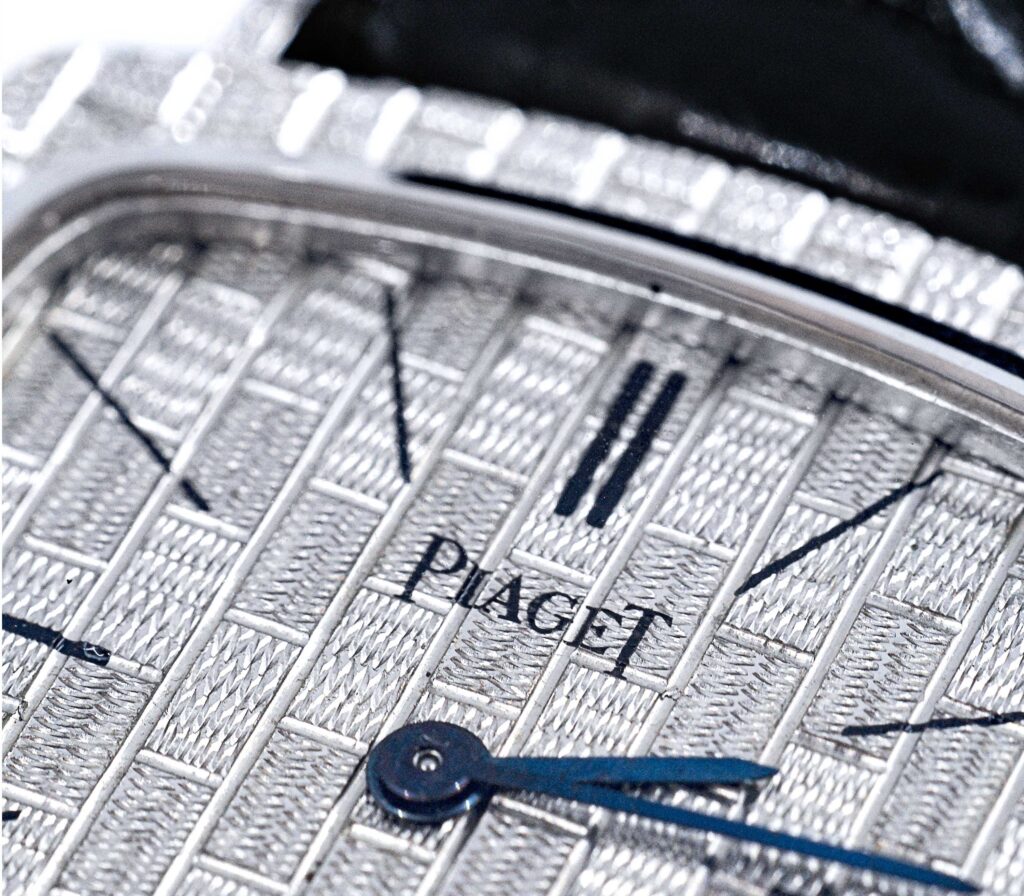
In Switzerland, even time appears to slow as the holidays approach. From Christmas Eve through New Year’s Day, ateliers across Geneva, Le Brassus, and the Jura fall silent, following a ritual pause as dependable as the annual summer shutdown. Benches are cleared, tools are carefully set aside, and the steady cadence of escapements yields to winter stillness.
A Tradition Embedded in Structure
This pause is not merely cultural in nature, but structural at its core. For generations, Swiss watchmaking has adhered to a production rhythm shaped by human labor, seasonal realities, and a deeply ingrained respect for rest. The winter shutdown marks a natural conclusion to the working year and draws a clear line beneath months of meticulous craftsmanship.
What the Year-End Pause Means
For manufactures and collectors alike, the consequences of this tradition differ markedly.
- For manufacturers, it results in idle machines and unfinished movements awaiting January’s return.
- For collectors, it creates a small and distinctive category of watches finished at the very edge of the calendar.
Watches completed in December, particularly during the final weeks of the year, are inherently fewer in number. Their serial numbers or warranty dates become quiet indicators of rarity, signaling a timepiece brought to life just before silence descends.
The Nature of December Rarity
December watches are not conceived as limited editions, nor released as commemorative gestures. Their scarcity is circumstantial rather than strategic, yet this unintentional rarity lends them a particular gravity.
They are defined by:
- Natural scarcity rather than artificial limitation
- A sense of closure tied to the calendar year
- Emotional resonance rooted in finality
Across the great Swiss maisons, December-finished watches surface only occasionally, yet when they do, they reveal how this end-of-year moment is expressed in different forms, materials, and complications. The following models illustrate how the quiet final weeks of the calendar year have left their mark on some of the most revered names in watchmaking.
Patek Philippe
A Philosophy of Completion
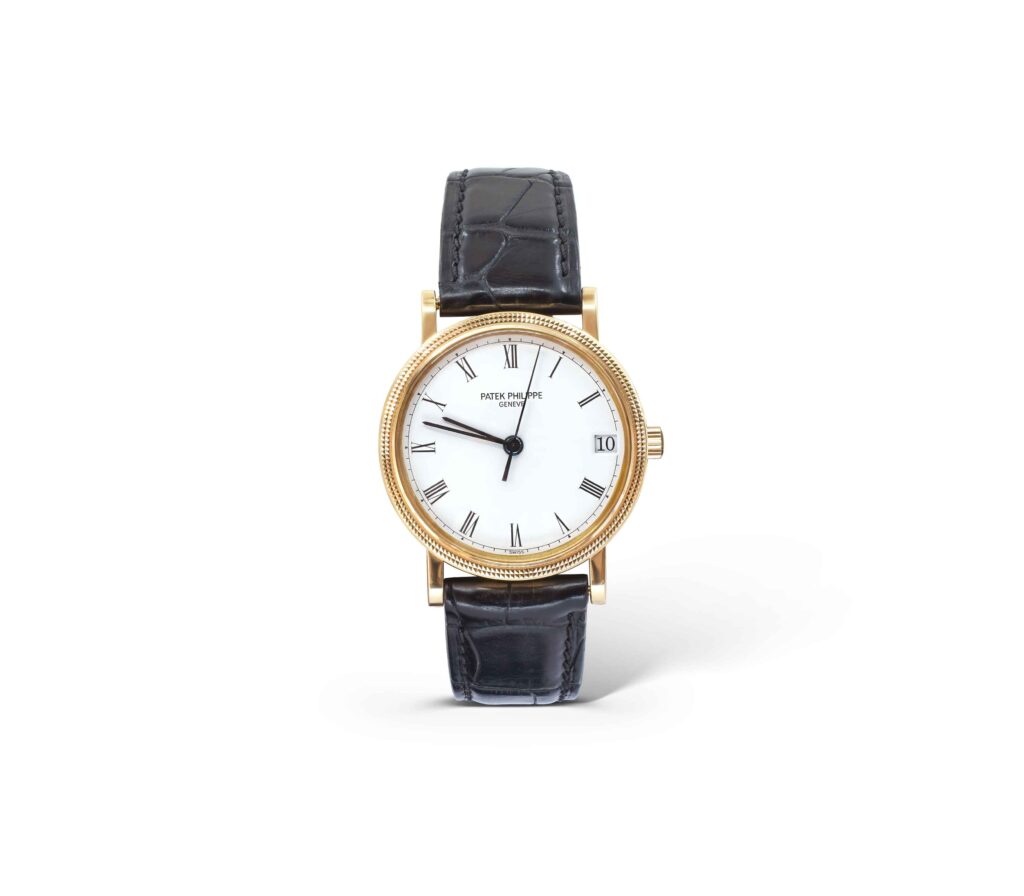
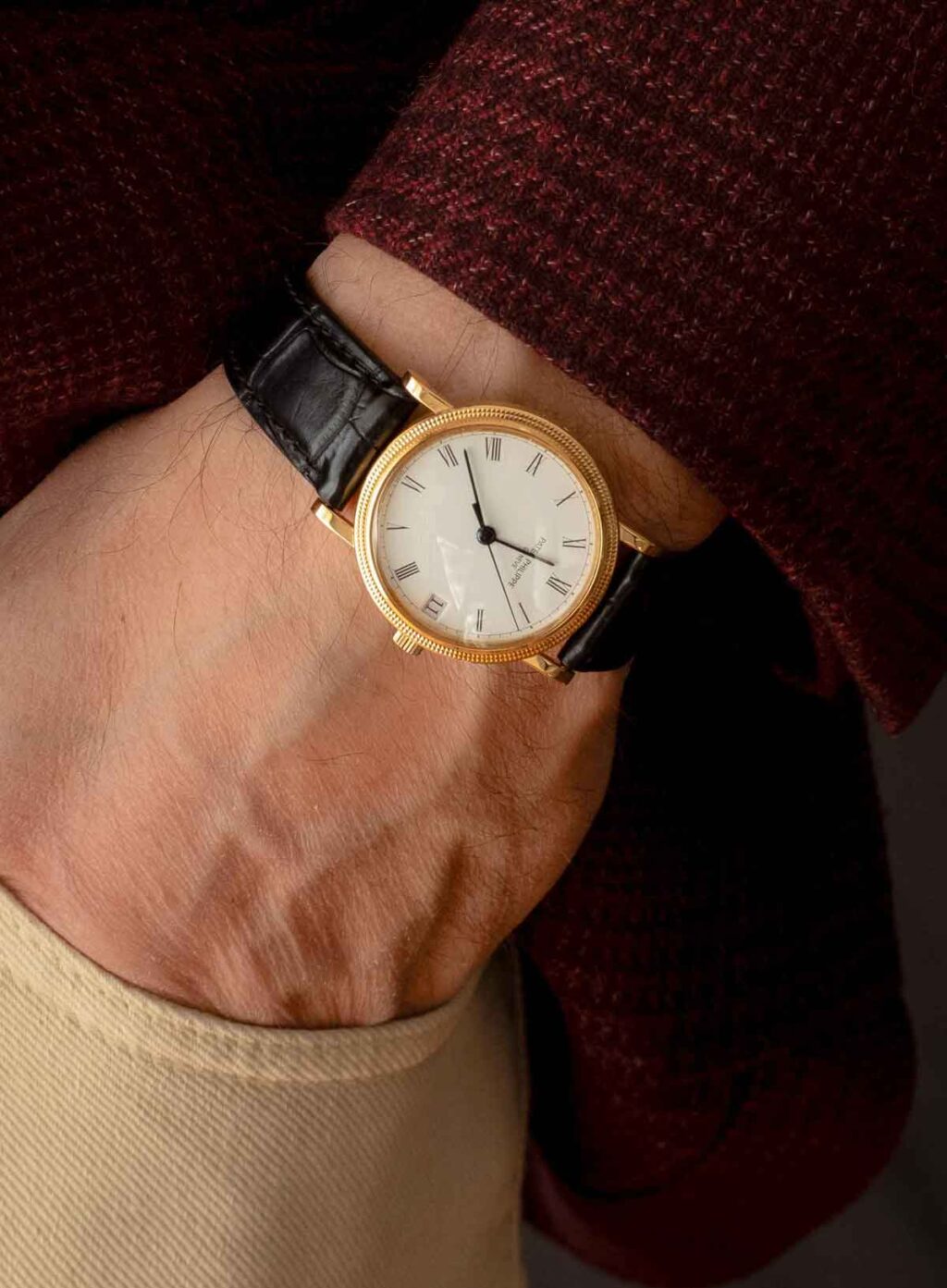
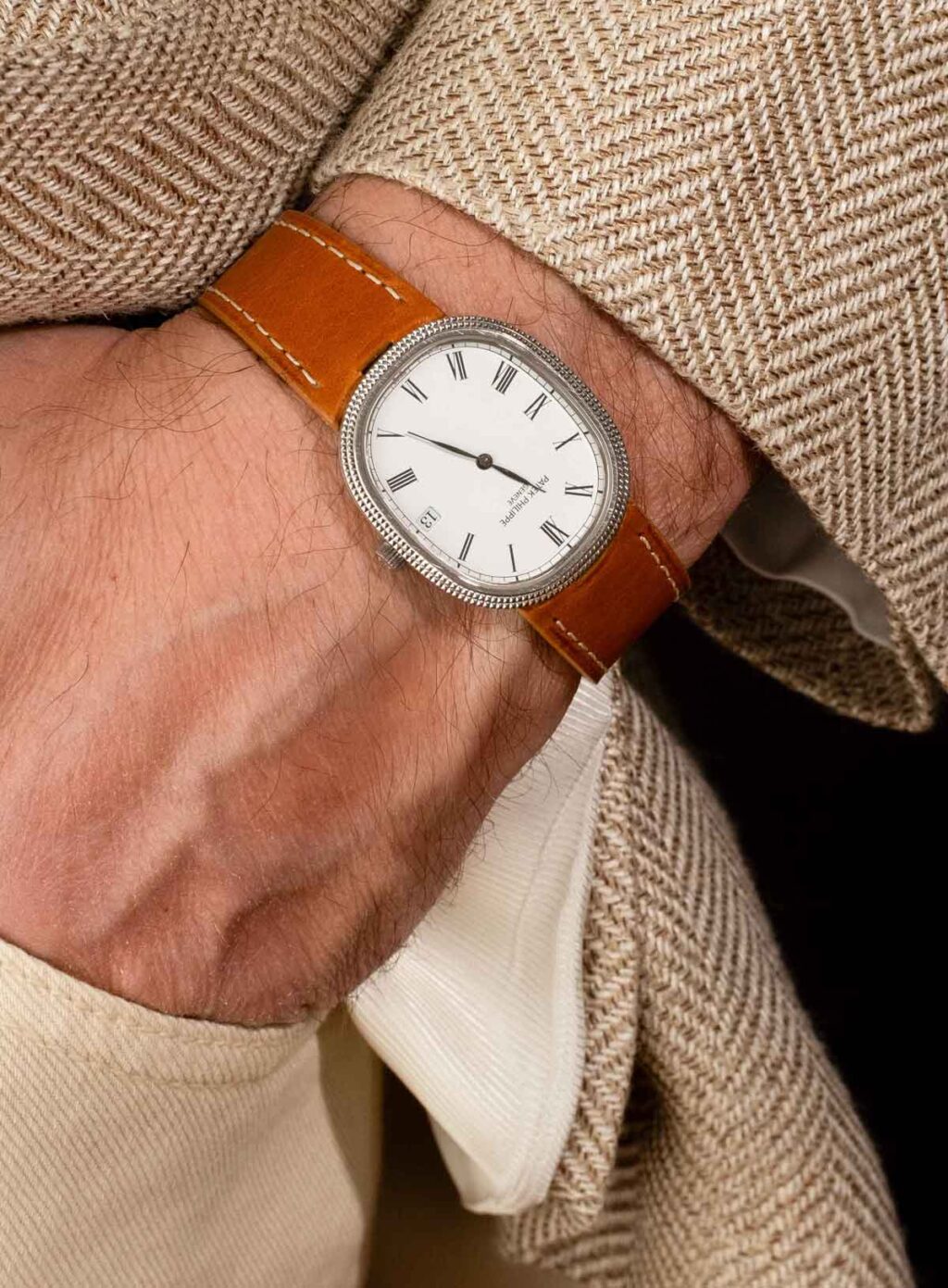
At Patek Philippe’s historic Geneva workshops, craftsmanship and heritage maintain their primacy even as the shutters close for the holidays. Founded in 1839, the maison has long embodied a philosophical approach to timekeeping, one in which perfection is pursued quietly and without compromise.
December Inside the Manufacture
As December approaches its end, production at Patek Philippe naturally slows. Movements nearing completion receive their final adjustments, cases are polished to their intended brilliance, and dials are mounted with deliberate precision. Complications are tested one final time before the atelier enters its winter rest, allowing resolution rather than urgency to guide each gesture.
Documented December Patek Philippe Watches
Collectors regard these year-end Patek Philippe watches as poetic capstones, a perception consistently reinforced by auction records. Notable examples include:
Reference 3979
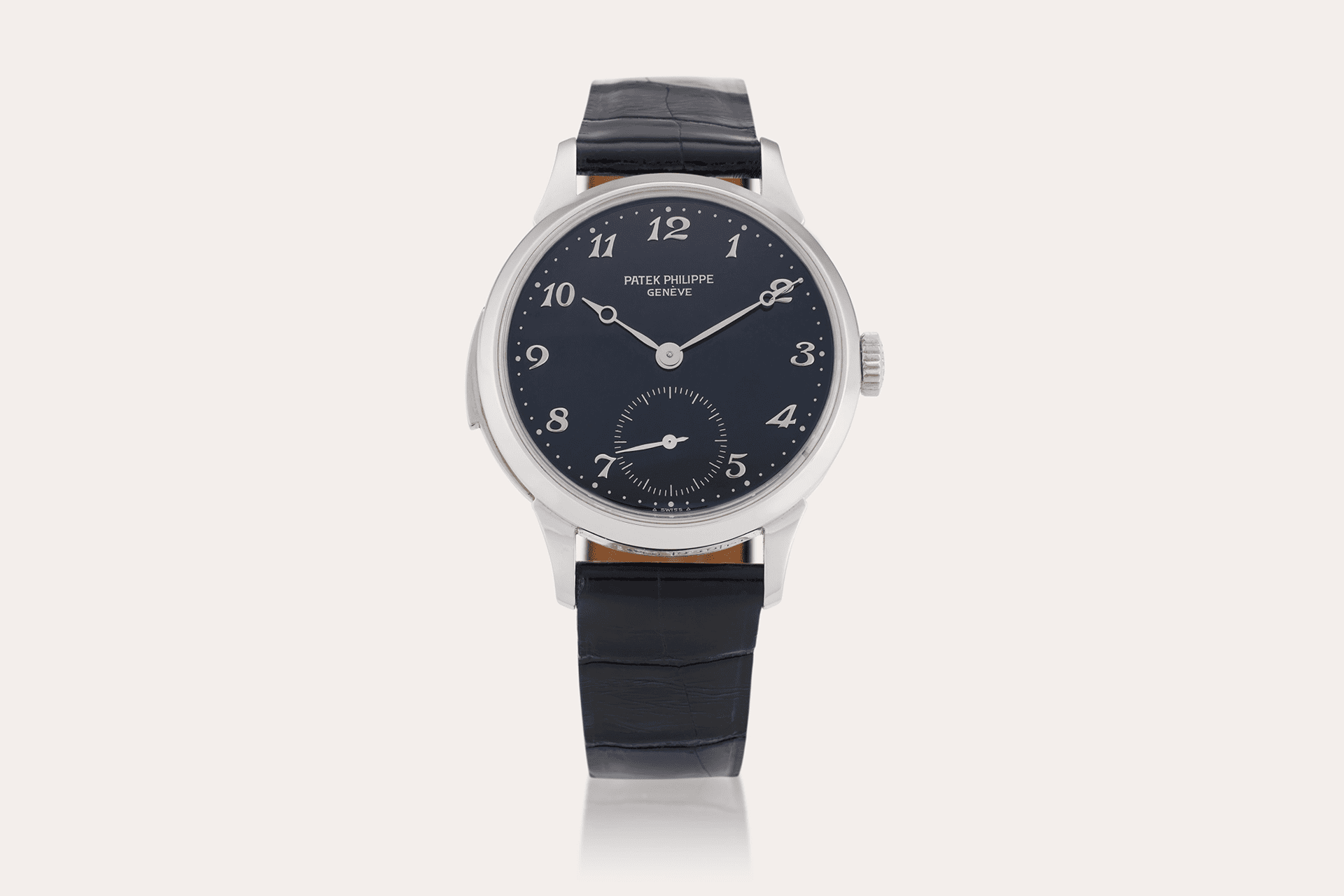
Platinum minute repeater, Certificate of Origin dated 2 December 2000, offered by Sotheby’s.
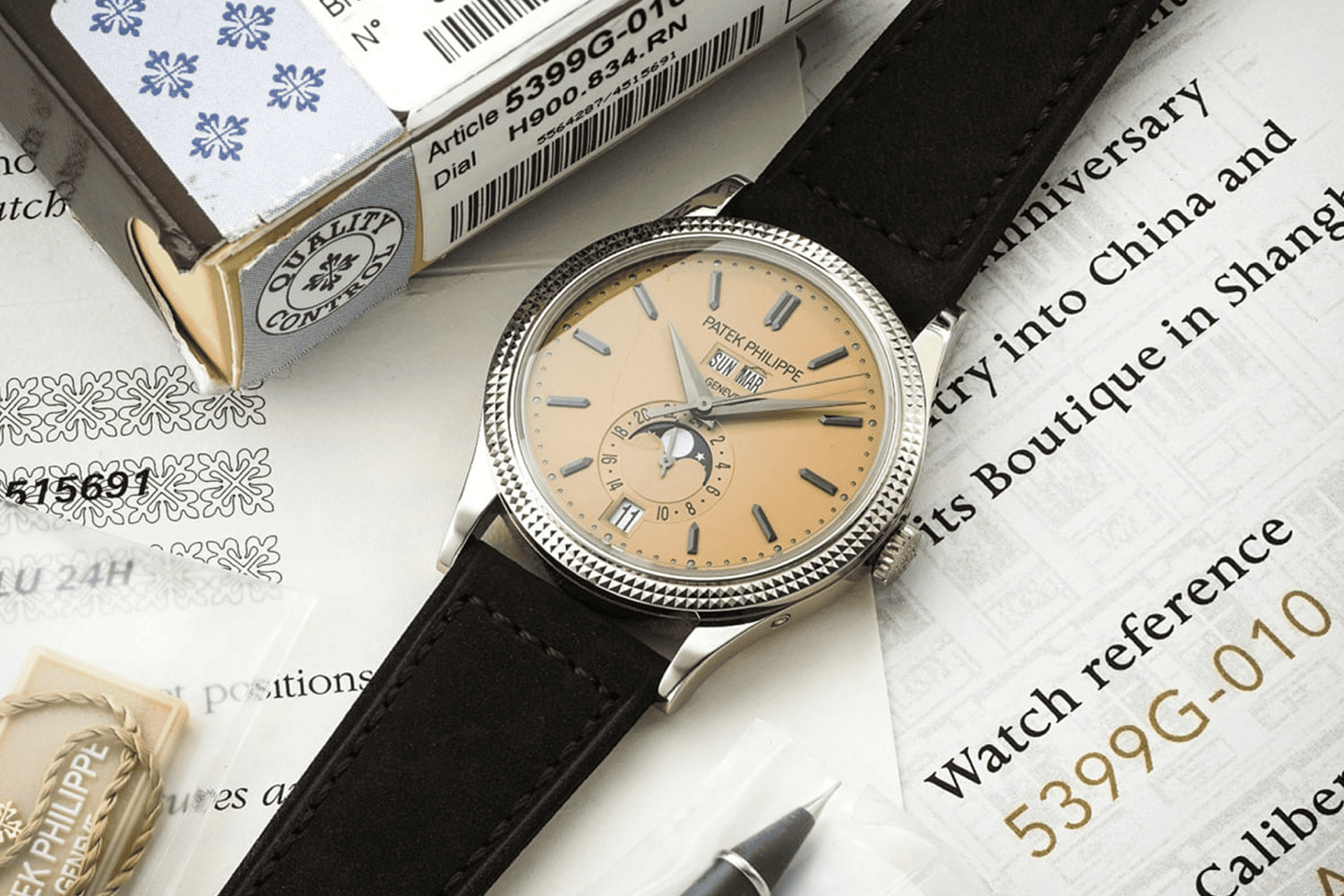
Reference 5399
White gold, produced for the Chinese market, with an origin date of 17 December 2010, offered by Phillips.
Reference 5320G
Perpetual calendar, documented as delivered on 20 December 2017 by Sotheby’s.

These watches frequently appear as complete sets, including boxes, papers, and certificates, reinforcing their sense of finality. Because Patek Philippe produces very few watches during December, these last-of-the-year pieces acquire an almost mythic status. They are distinguished not by excess, but by completeness.
Audemars Piguet
Winter as a Governing Force
In Le Brassus and Geneva, Audemars Piguet’s artisans observe the same seasonal pause. Founded in 1875 in the Vallée de Joux, the manufacture has always been shaped by nature’s rhythms, where winter is neither metaphor nor abstraction, but an ever-present reality.
Snowbound valleys and shortened daylight historically influenced both pace and production, embedding seasonality into the manufacture’s identity.
Scarcity at Year’s End
When December arrives, the number of watches completed by Audemars Piguet narrows dramatically. The few that emerge during this period become immediate curiosities, carrying with them the atmosphere of the valley just before stillness takes hold.
Royal Oak Reference 15129ST “Kuwait”
With a Certificate of Origin dated December 2003, offered by Phillips.

Annual Calendar Reference 25920
With papers dated 15 December 2003, offered by Sotheby’s.

Royal Oak Chronograph Reference 26320
Delivered on 20 December 2014, documented by Sotheby’s.

How Collectors View December Audemars Piguet
For collectors, December-dated Audemars Piguet watches function as a finisher’s medal, representing the final expressions of the manufacture’s annual effort. Because the factory effectively shuts down for the holidays, any Audemars Piguet marked December is inherently scarce. This scarcity arises organically, shaped by climate and calendar rather than marketing intent.
Piaget
Elegance at the Edge of the Calendar
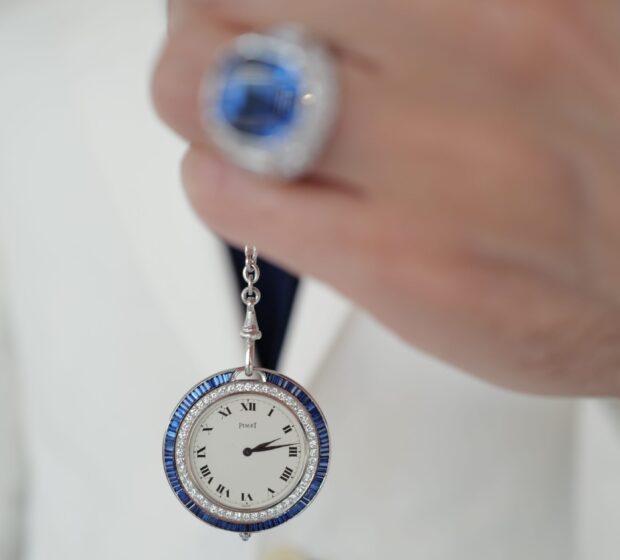
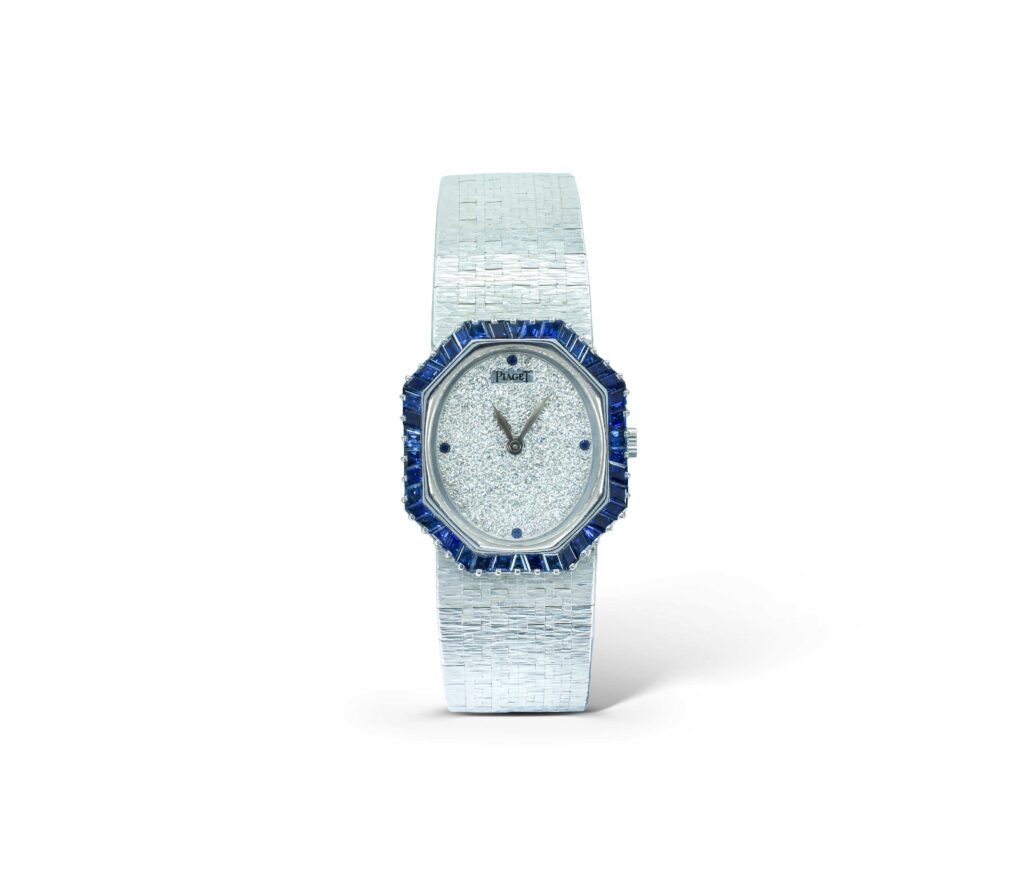
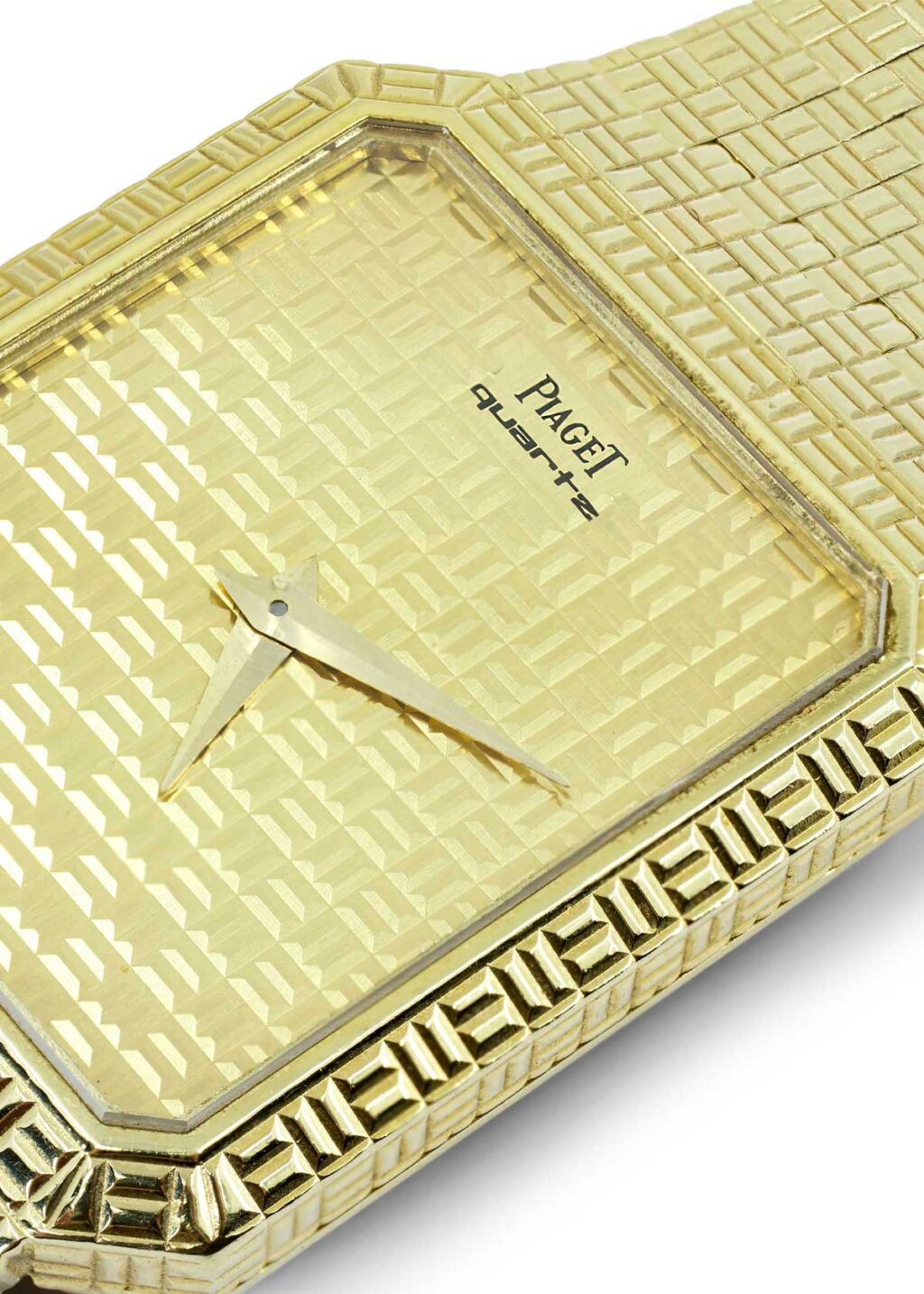
Piaget’s legacy of elegance and ultra-thin engineering carries a distinct end-of-year poetry. Since 1874, the Geneva maison has combined fine jewelry with mechanical innovation, pioneering ultra-flat movements while embracing ornamental design.
December Provenance and Decorative Excellence
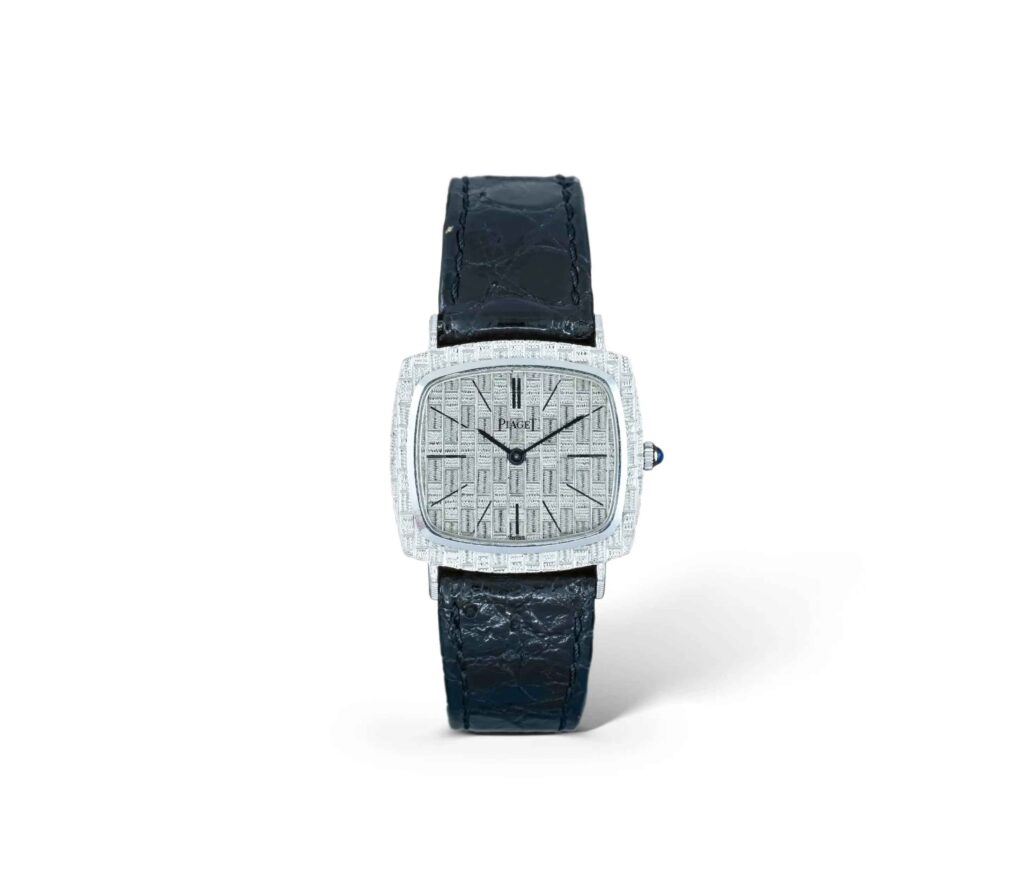
Like its peers, Piaget pauses production in late December, making any watch bearing a December provenance immediately noteworthy, particularly within vintage collecting.
A celebrated example is:
White-gold Piaget cushion watch with lapis-lazuli dial
Circa 1968, sold by Christie’s Hong Kong with a Certificate of Origin dated 27 December 1968.

Its appeal lies not only in the saturated depth of the stone dial, but in the symbolism of its completion at the very end of the year.
Why December Piaget Watches Resonate
Collectors value December Piaget watches because they unite:
- Decorative audacity
- Mechanical refinement
- Temporal significance
Even modern Piaget watches delivered in December attract heightened attention, as their timing adds narrative depth beyond design alone.
Cartier
The Final Signature of the Year
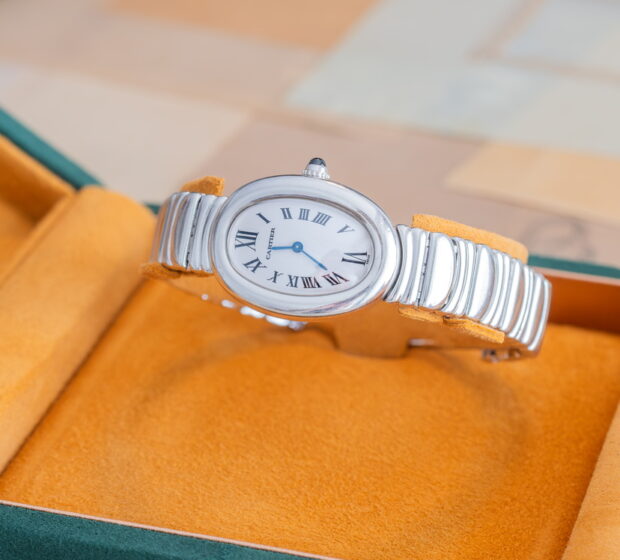
Cartier’s watchmaking tradition also respects the rhythms of the calendar. The Parisian house that introduced the Santos and the Tank eventually established Swiss production facilities, blending French design sensibility with Swiss mechanical precision.
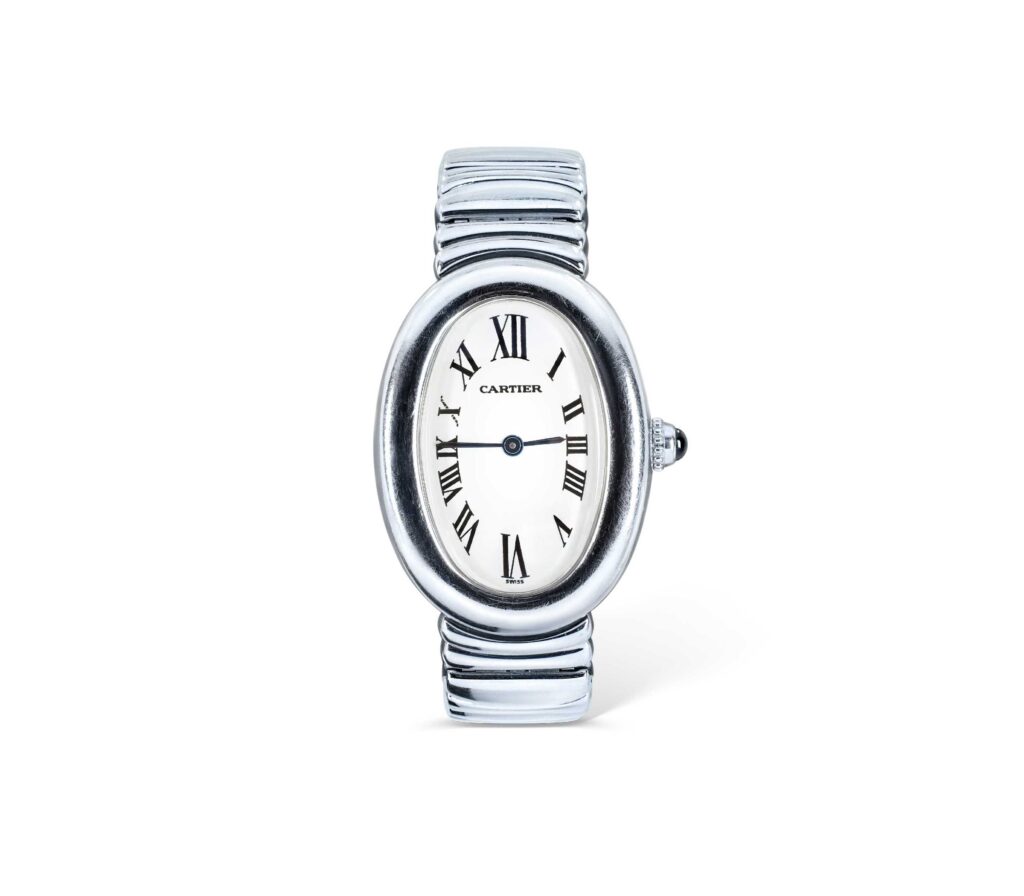
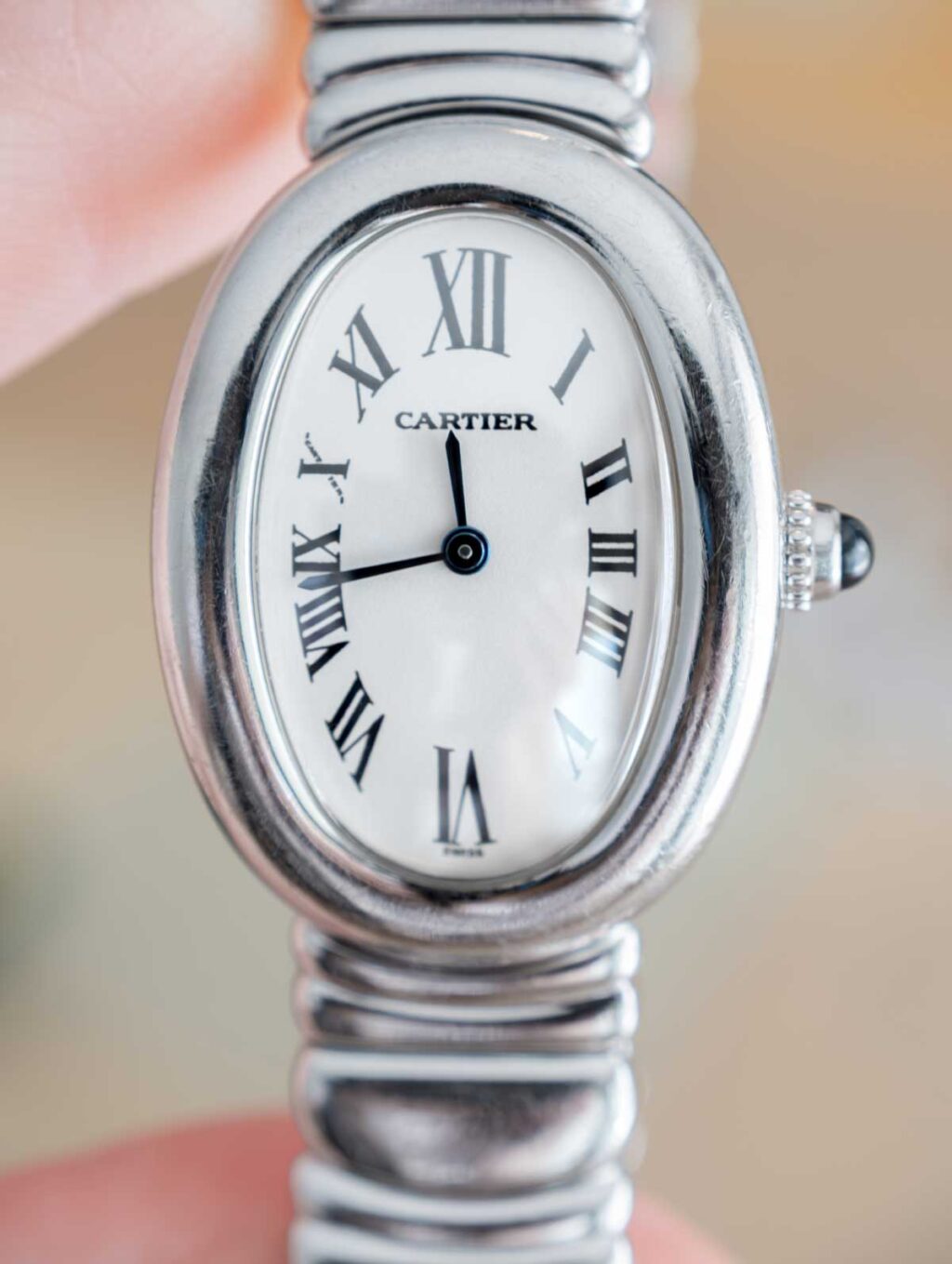
By the mid-twentieth century, Cartier’s ateliers observed the same year-end shutdown practiced across the industry. As a result, a Cartier completed in December carries narrative weight that extends beyond its reference number. A notable example includes:
Santos 100 Chronograph Reference 2935
Pink gold, sold by Sotheby’s with a Cartier Certificate of Origin dated December 2008.
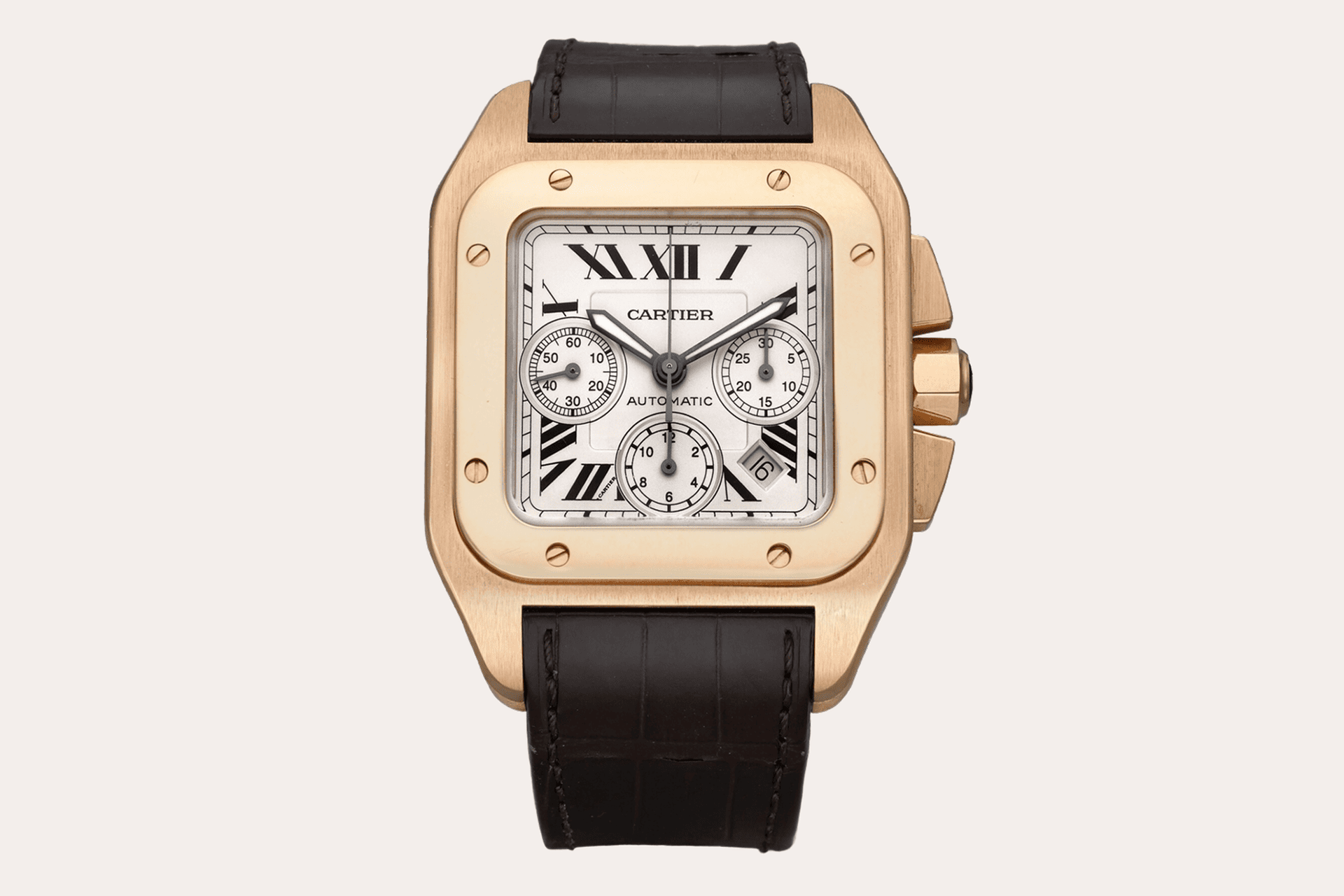
Collectors note that Cartier often delivers year-end watches as complete sets, enhancing both desirability and long-term preservation.
Collector Insight
Why December Watches Command Attention
Collectors often speak of December-serial watches in reverent terms, as each represents a frozen moment at the close of a year’s labor.
They consistently observe that:
- December watches often survive in exceptional condition.
- Full sets are more commonly preserved.
- Auction houses deliberately highlight December dates.
Because so few watches bear December dates, supply remains inherently limited while demand continues to grow. Many collectors willingly pay a premium to acquire the December example of a reference that might otherwise be widely available. One collector famously described such watches as “the last flower of autumn,” capturing both rarity and emotional resonance.
December Watches as Horological Epilogues
When watchmakers finally rest, their last creations acquire a quiet mystique. Each December-serial timepiece appears infused with the silence of the workshop after closing, its ticks echoing like distant bells on New Year’s Eve.
These watches are rare harvests of human precision and artistry, and their scarcity is the source of their power. As one year ends and another awaits, they stand as small monuments to both time and toil. The final watch of the year carries the legacy of every hour spent at the bench, serving as the season’s last sonnet rendered in metal. December-born watches remind us that time itself requires punctuation, and that within the pause, beauty endures.
At Grygorian Gallery, we cherish these moments. Because in collecting, as in life, endings often matter most.