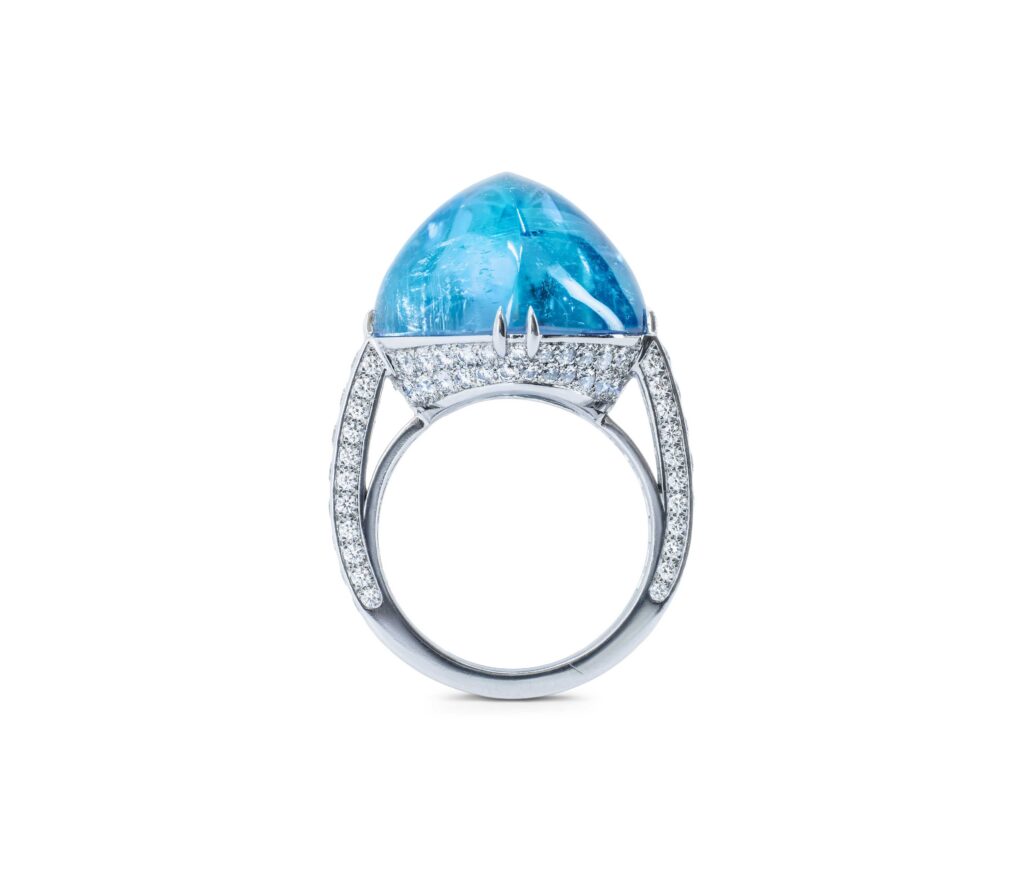
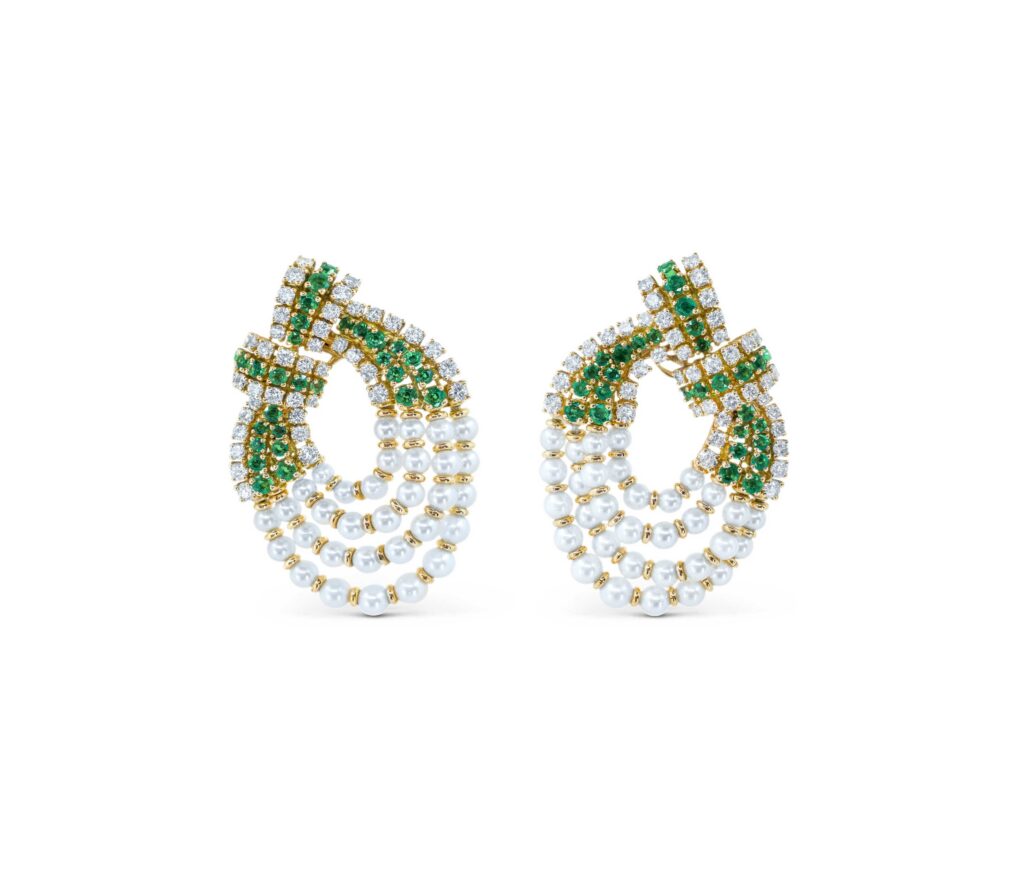
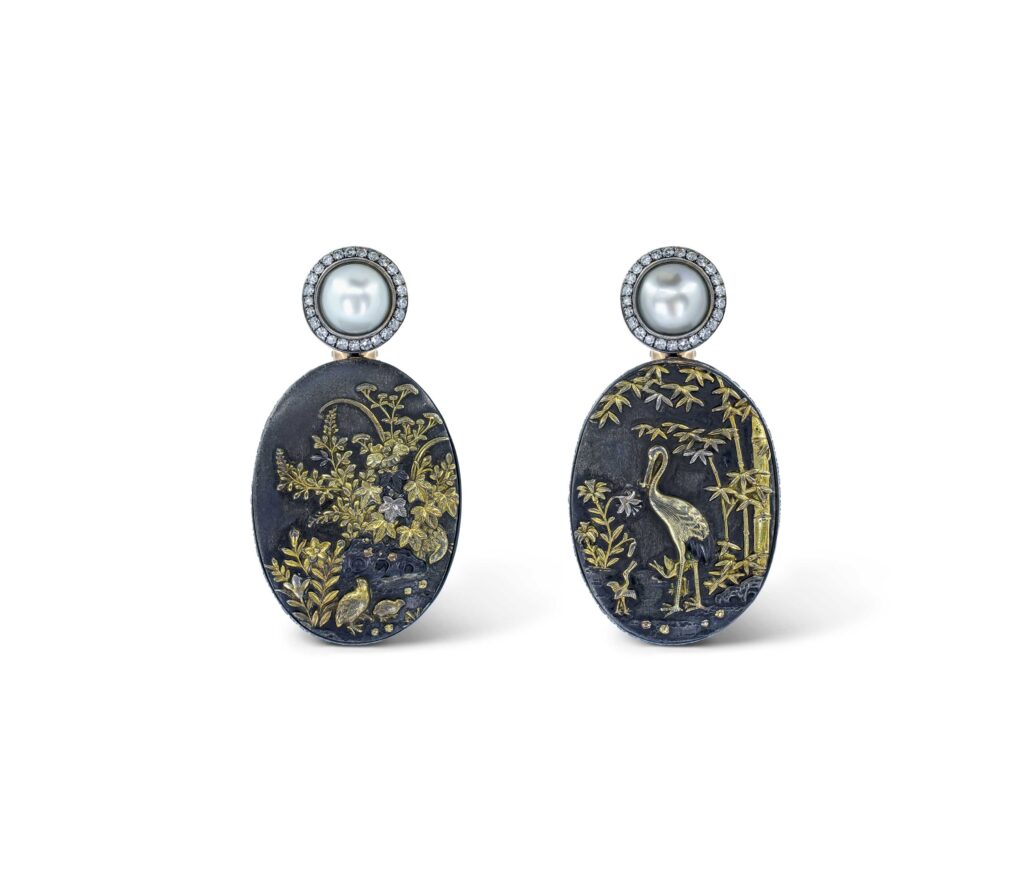
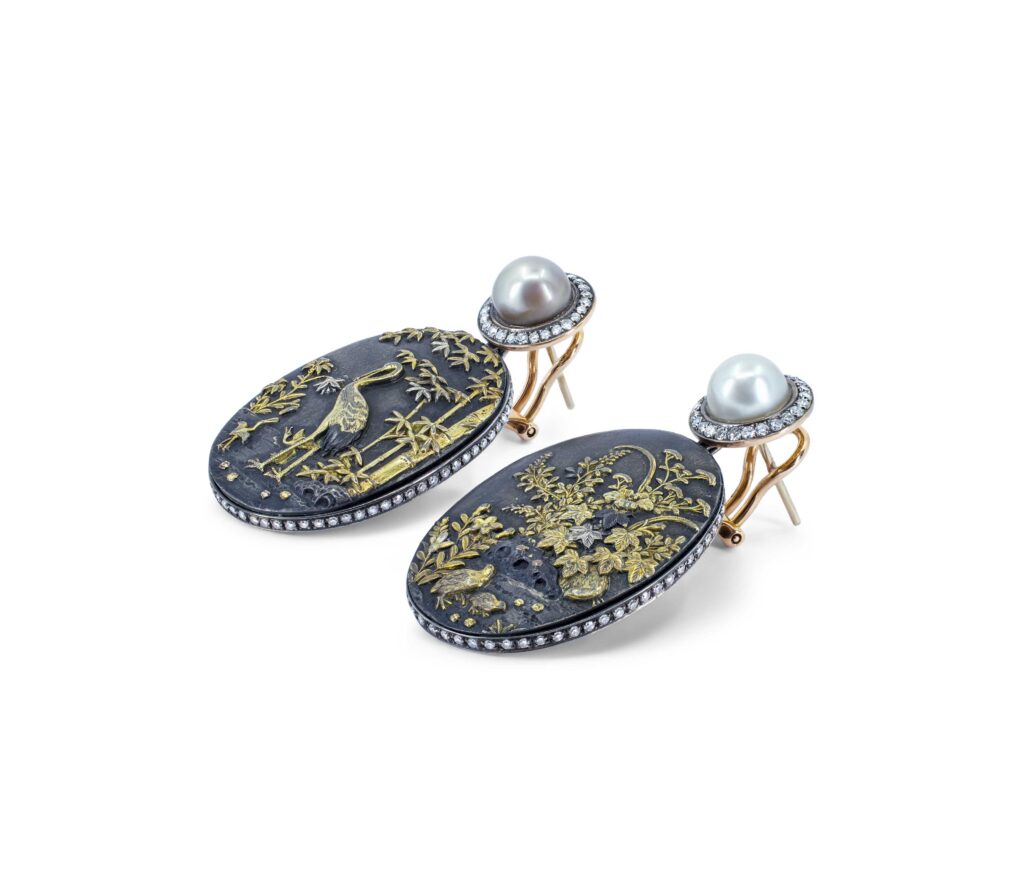
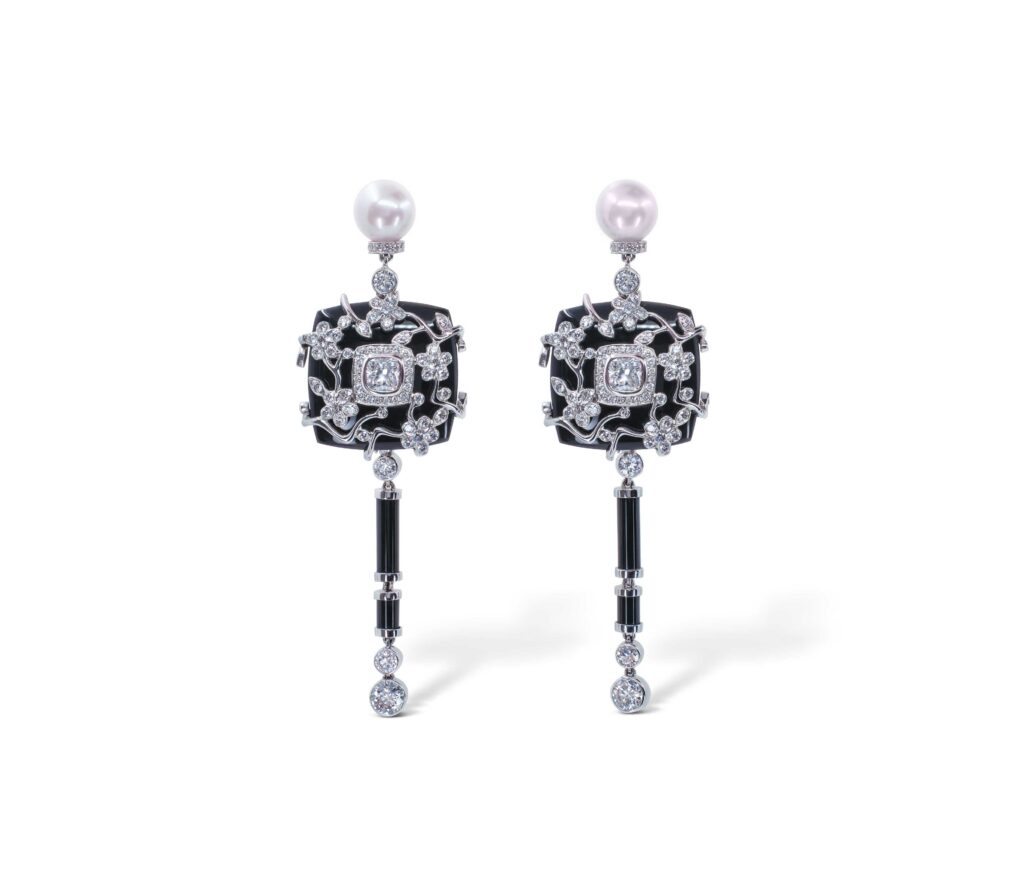
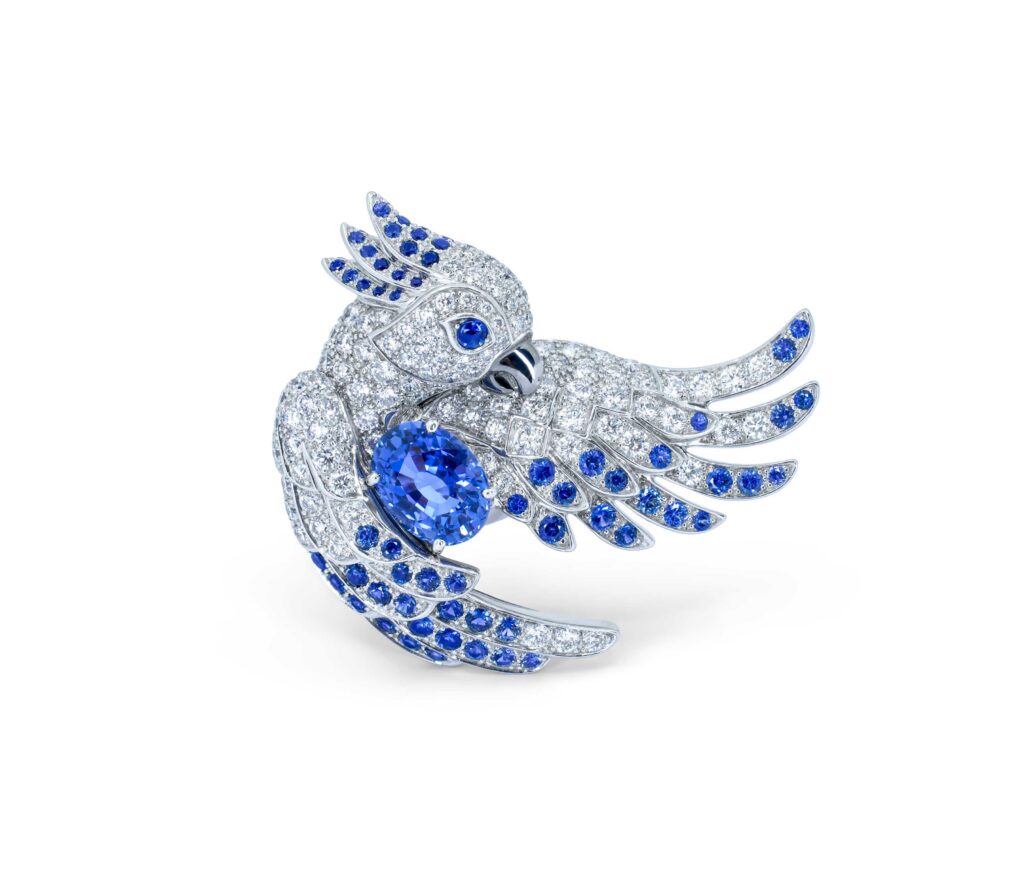
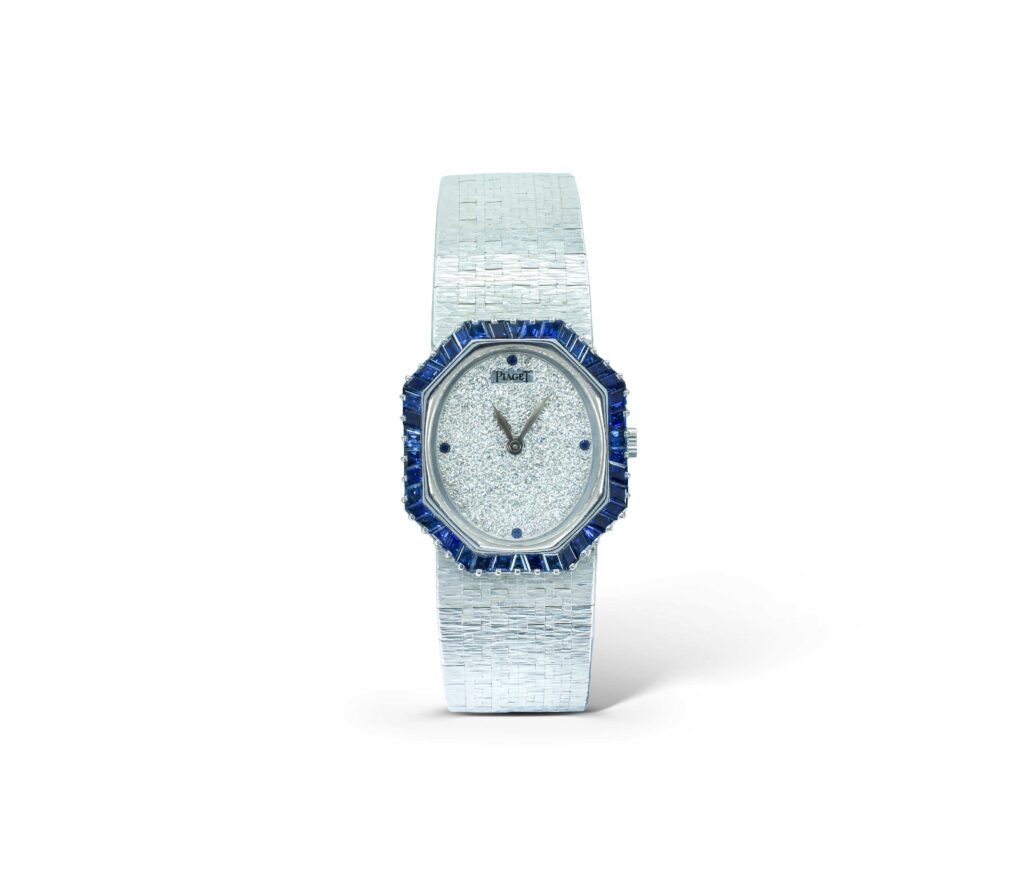



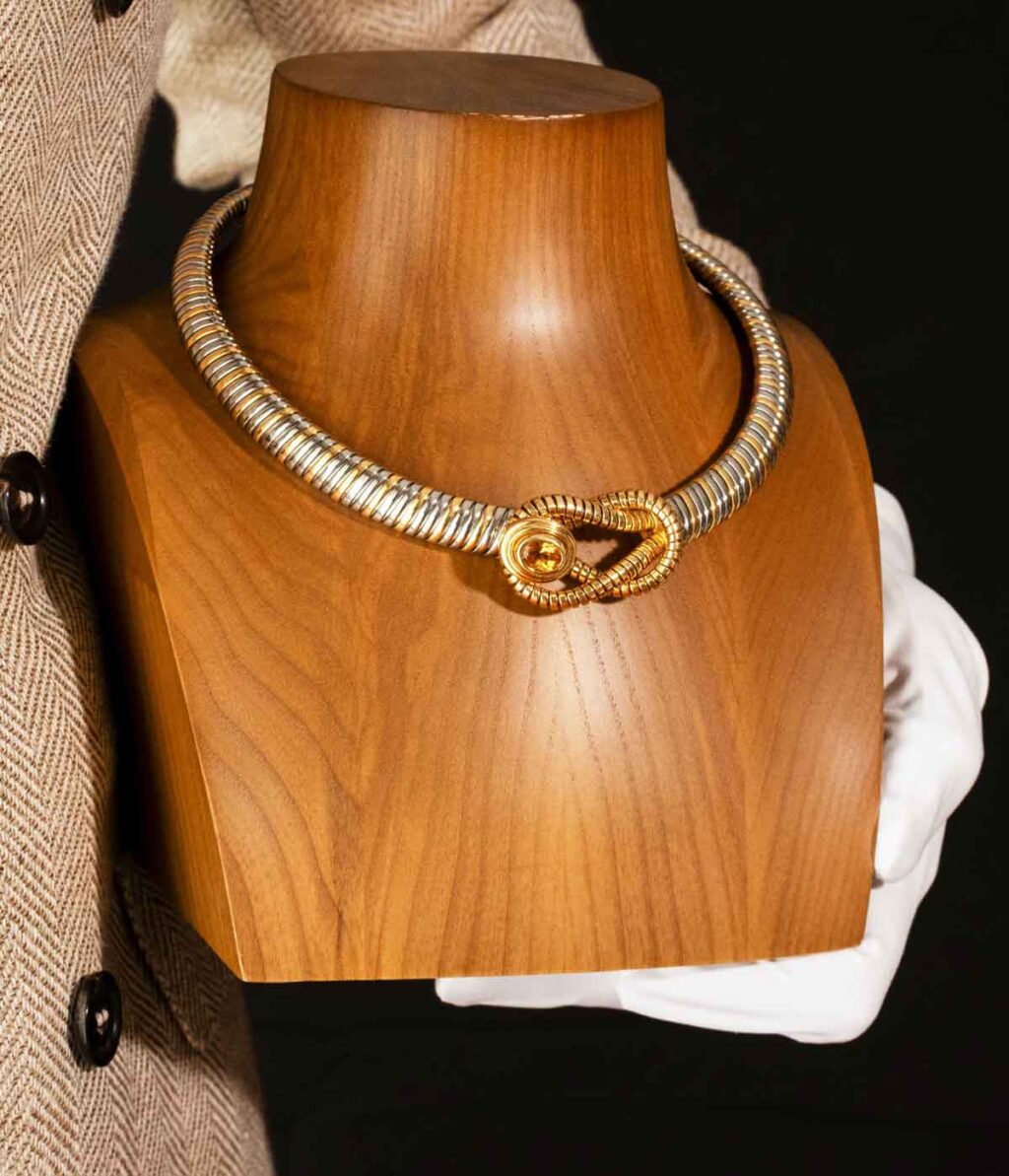
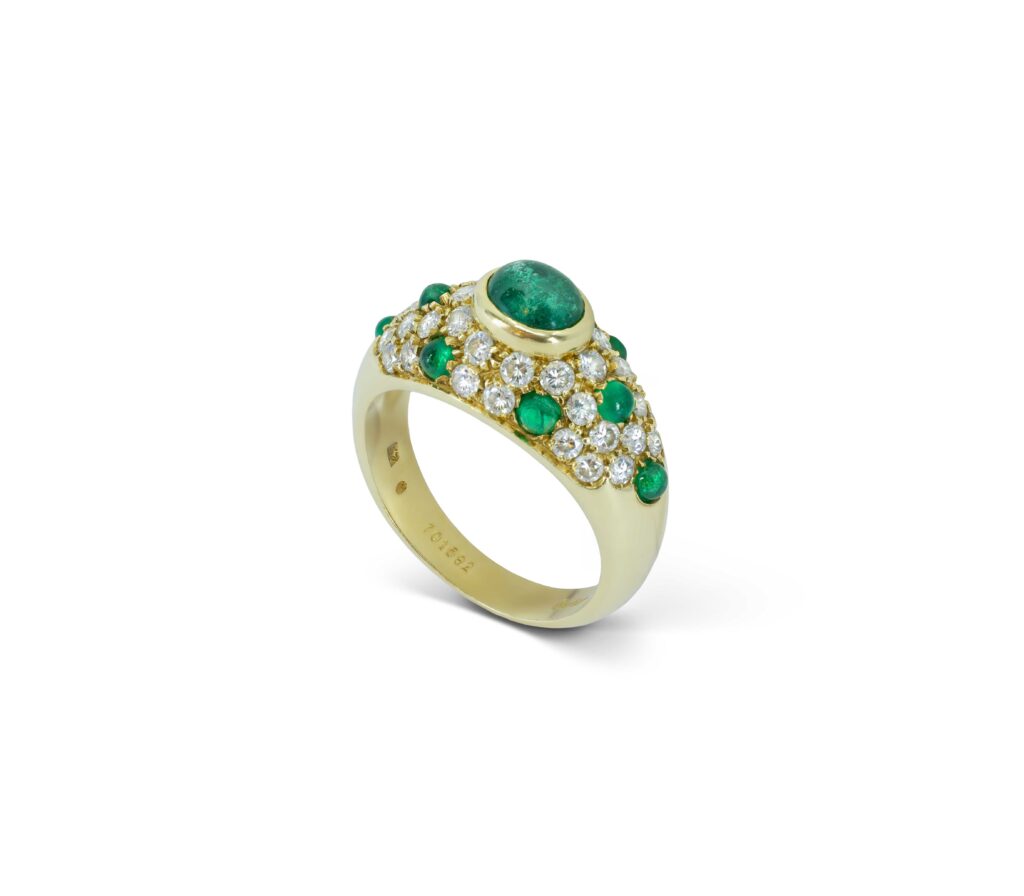
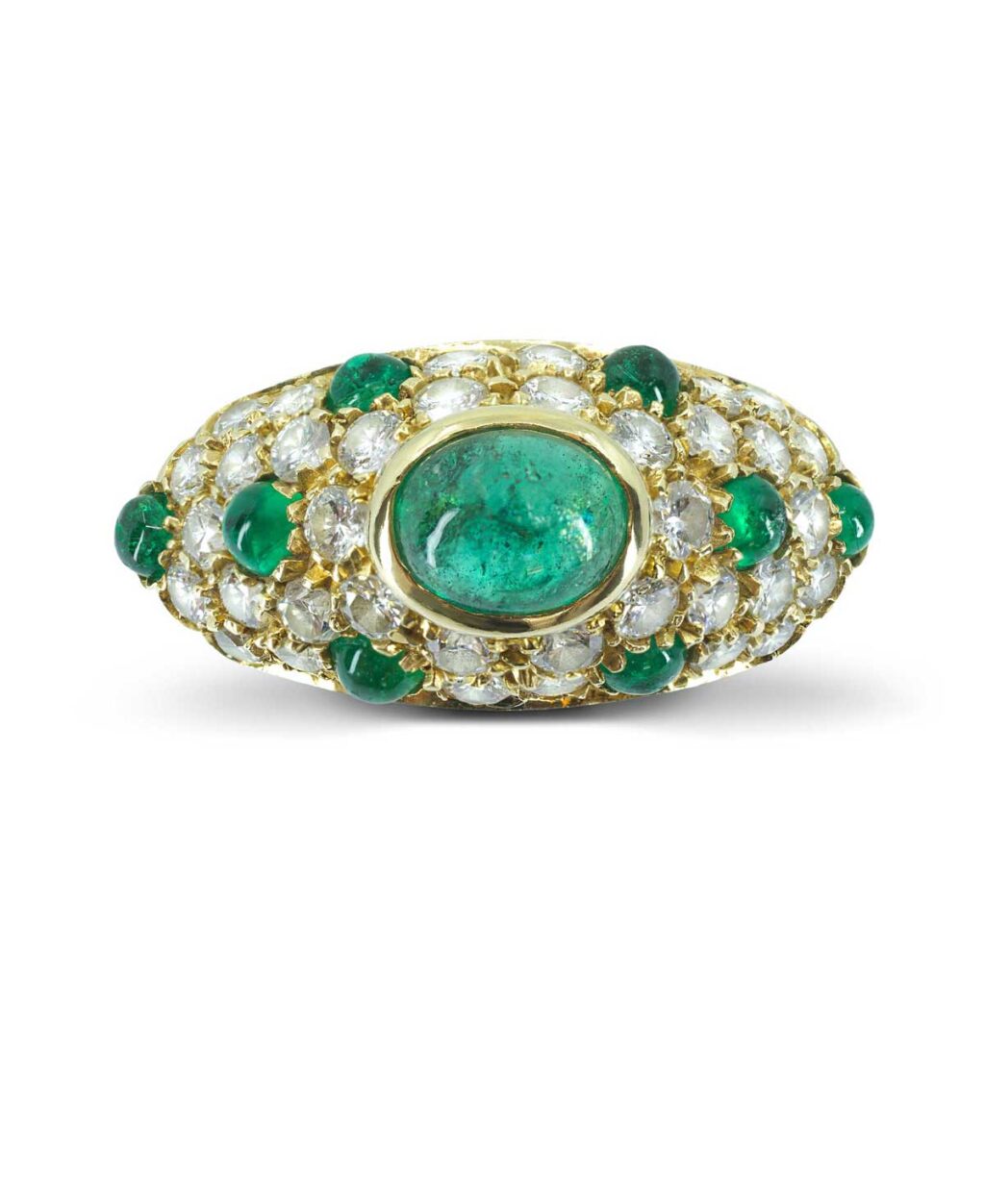
In Monaco, jewelry is chosen with the same care as works of art: considering provenance, quality, and history. It’s not customary here to appear with something that’s simply “pretty” or “expensive” – the local audience is too experienced not to notice the difference between a stone with a biography and a stone with successful marketing.
This taste has been formed over centuries – at the Grimaldi court, at auctions, at charity balls, and in the halls of Place du Casino. To understand why Monaco’s residents and value classics and rare stones is to understand the very logic of this place. And it operates differently than in most other cities.
When Taste Begins with a Coat of Arms
The official chronicle of the Grimaldi Palace dates back to January 1297: François Grimaldi, nicknamed Malizia (“The Cunning”), infiltrated the fortress disguised as a monk. This gesture – a combination of calculation and audacity – became the dynasty’s first visual code.
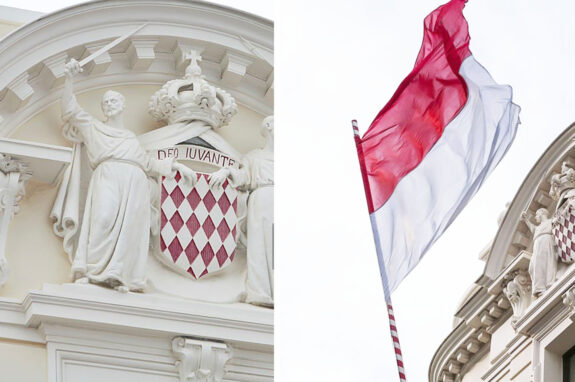
The Grimaldi coat of arms still features: a silver shield with red lozenges, two figures of monks with swords, and the motto Deo Juvante (“With God’s Help”). Geometry, repeating motif, strict symbolism – a sign that reads instantly.
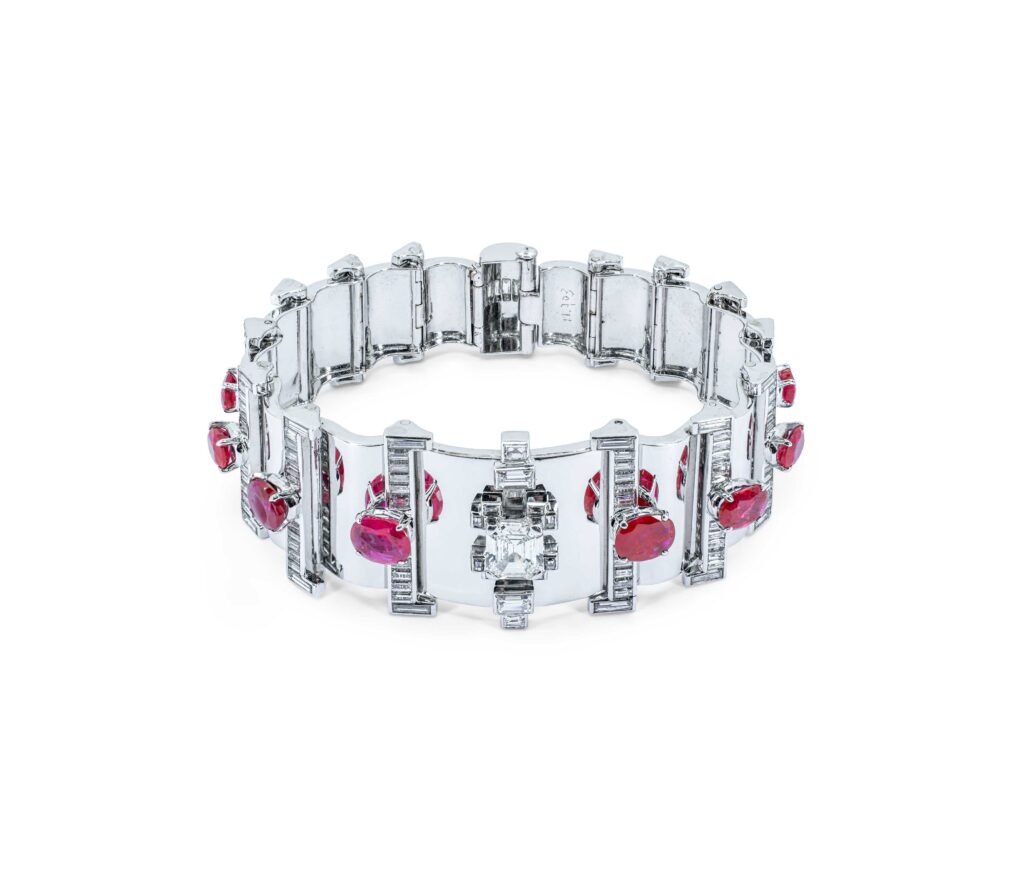
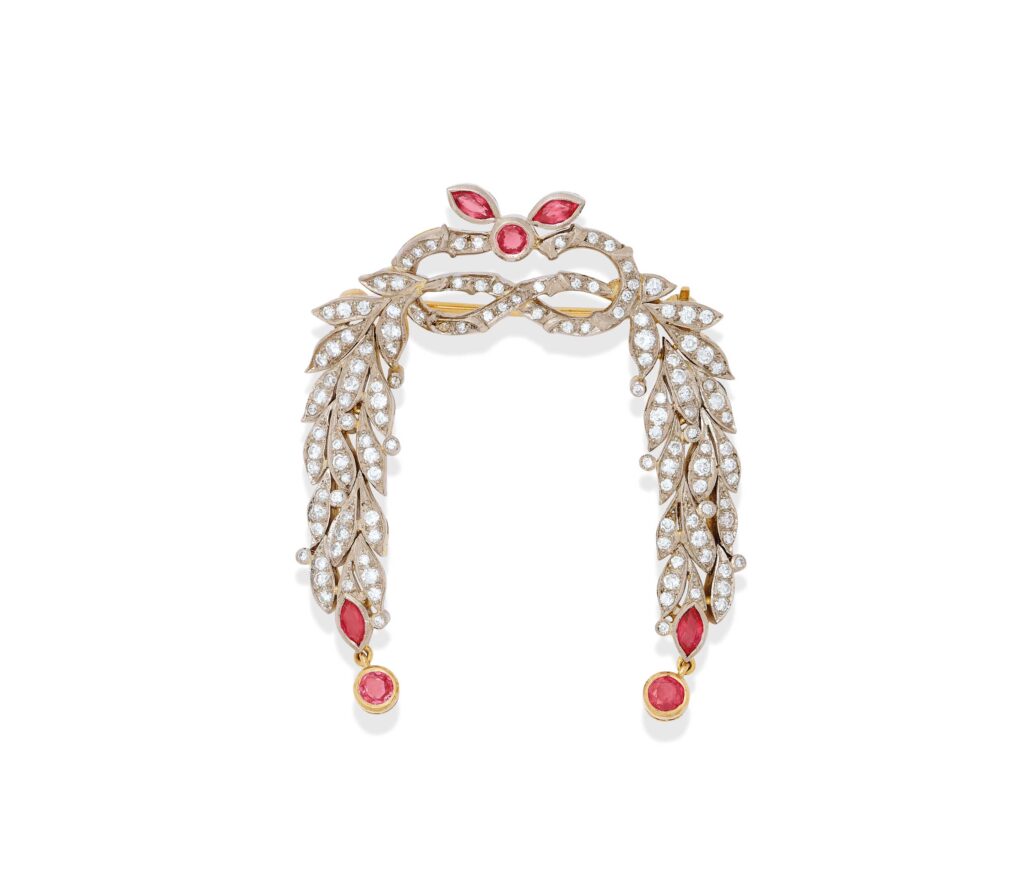
Here lies the first source of Monegasque taste: a love of graphic design, architectural form, and what’s understood without explanation. The red and white colors of the coat of arms easily translate into jewelry language – rubies and diamonds in platinum. Lozenges – into step cuts. The strictness of the motto – into a rejection of random decoration.
In Monaco, symbols have always held practical significance. They spoke of origin, denoted power and belonging. This logic still determines how jewelry is chosen here.
Monte Carlo: Luxury built by decree
In the mid-19th century, Monaco found itself in a unique position: luxury here wasn’t accumulated over centuries – it was created deliberately, to a single vision.
In 1863, Prince Charles III founded the Société des Bains de Mer – a company tasked with building an industry of leisure and entertainment from scratch. The casino, hotels, restaurants – everything was created as scenery for a performance aimed at Europe’s wealthiest people. The Hôtel de Paris appeared in 1864, and in 1866 the new district was named “Monte Carlo.”
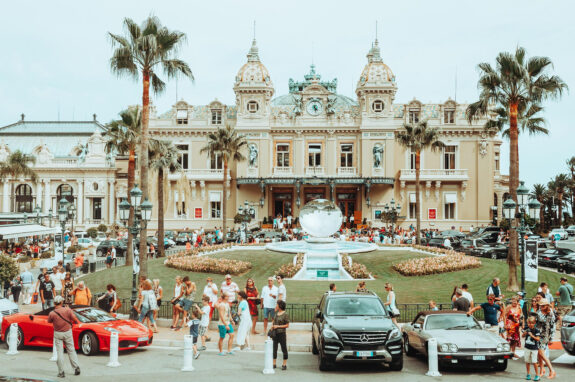
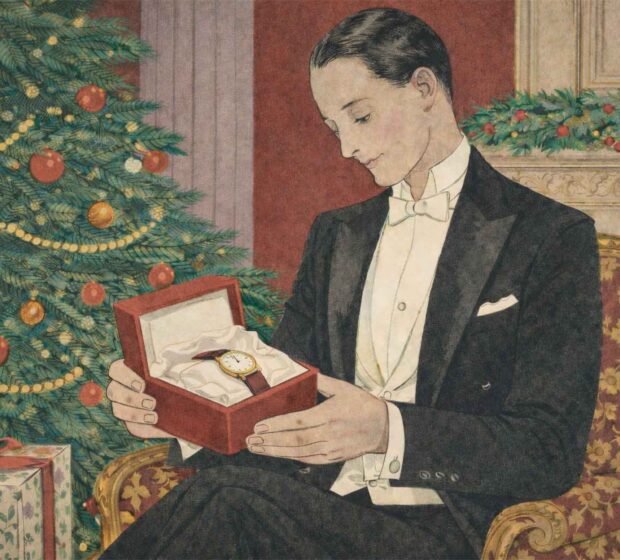
The entire project was designed for “evening life”: the casino, hotel, and restaurants were created for a society where jewelry was as natural a part of dress as a tuxedo. The dress code wasn’t a whim but part of the design.
Here began to form an atmosphere in which jewelry becomes a social function: you are seen, you are read, your pieces speak for you – sometimes before you’ve opened your mouth.
This tradition hasn’t become outdated. It’s simply become the norm. The evening halls of the Casino de Monte-Carlo still live by their own rules – unwritten, but understood by all.
When Jewelry Houses come to confirm status
Not every city can say that great jewelry houses came here not only to trade but to establish their name and confirm their position.
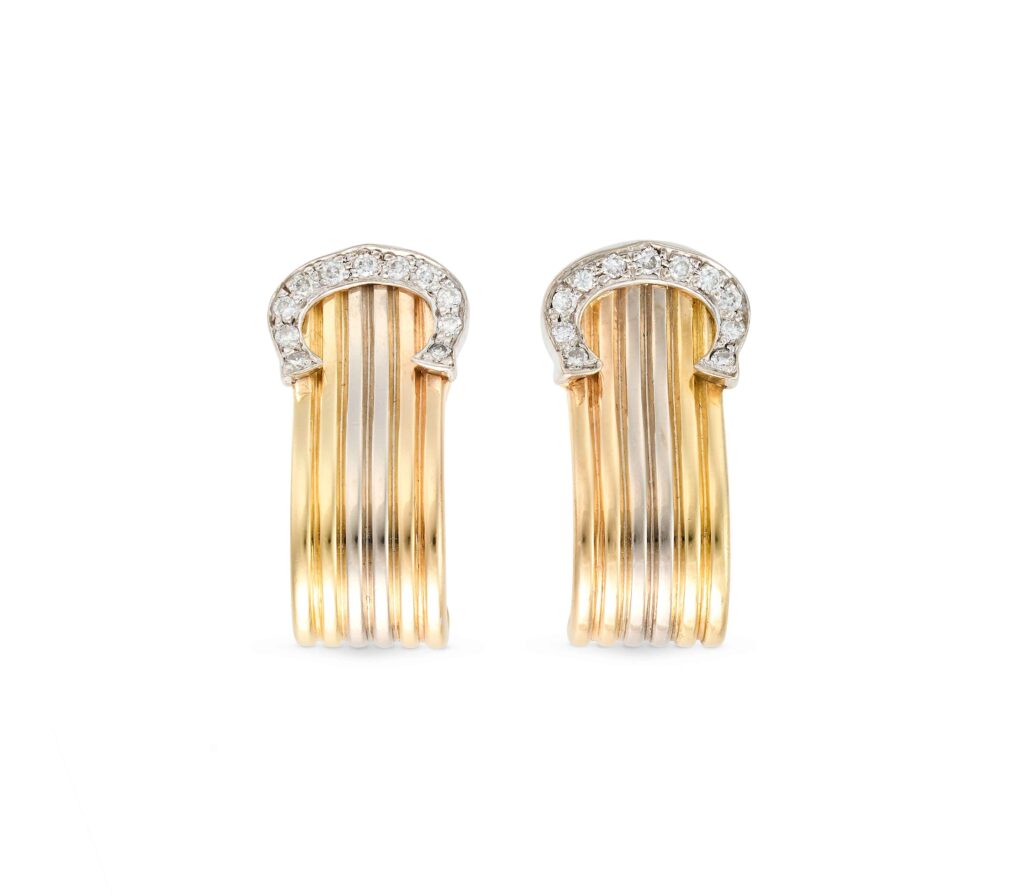
From 1920, Cartier became the official supplier to the princely court. In 1955, when Prince Rainier III chose jewelry for Grace Kelly, the choice again fell on Cartier. Behind this lay something greater than personal preference: the Parisian school with its cult of platinum, clean lines, and architectural restraint was established at court as the standard of taste.
Van Cleef & Arpels appeared on Place du Casino in 1935, and from 1956 also received the status of court supplier. The boutique’s interiors, executed in the spirit of Art Deco, became part of the square’s visual language itself.
What took root here might be called the cult of signature: acquiring not simply jewelry, but a name, a history, a place in the unspoken hierarchy of houses.
Behind all this lay one logic: not brilliance as such, but brilliance as a silent argument. In Monaco, jewelry became a form of statement, a sign of belonging, a continuation of courtly tradition, where the house’s name sounds quieter than the stones but weighs immeasurably more.
The marriage that rewrote the canon
On April 18 and 19, 1956, Rainier III and Grace Patricia Kelly were married – and this union instantly set a new standard of elegance for Monaco.
Grace Kelly had to look impeccable before the cameras of the entire world while simultaneously upholding to the dignity of the ruling house. This balance was found in the aesthetic of “quiet magnificence”: jewelry that reads instantly, never looks ostentatious under any lighting, and withstands the most scrutinizing gaze.
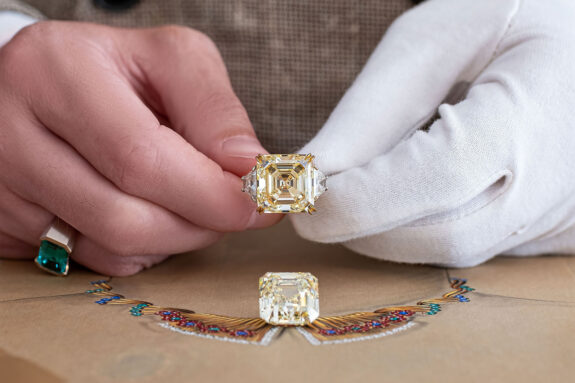
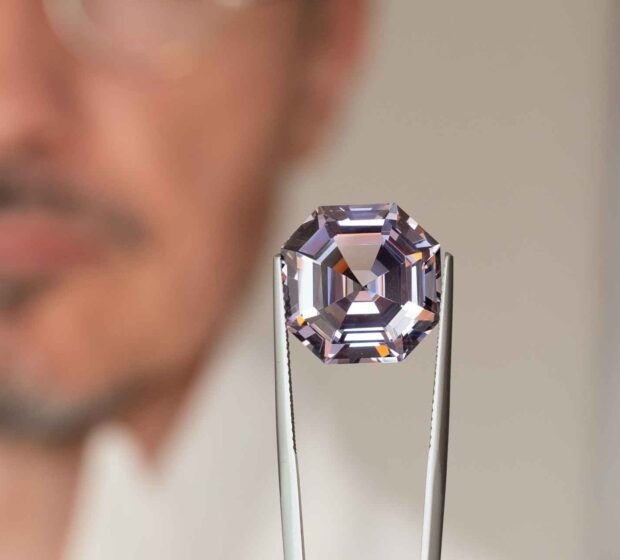
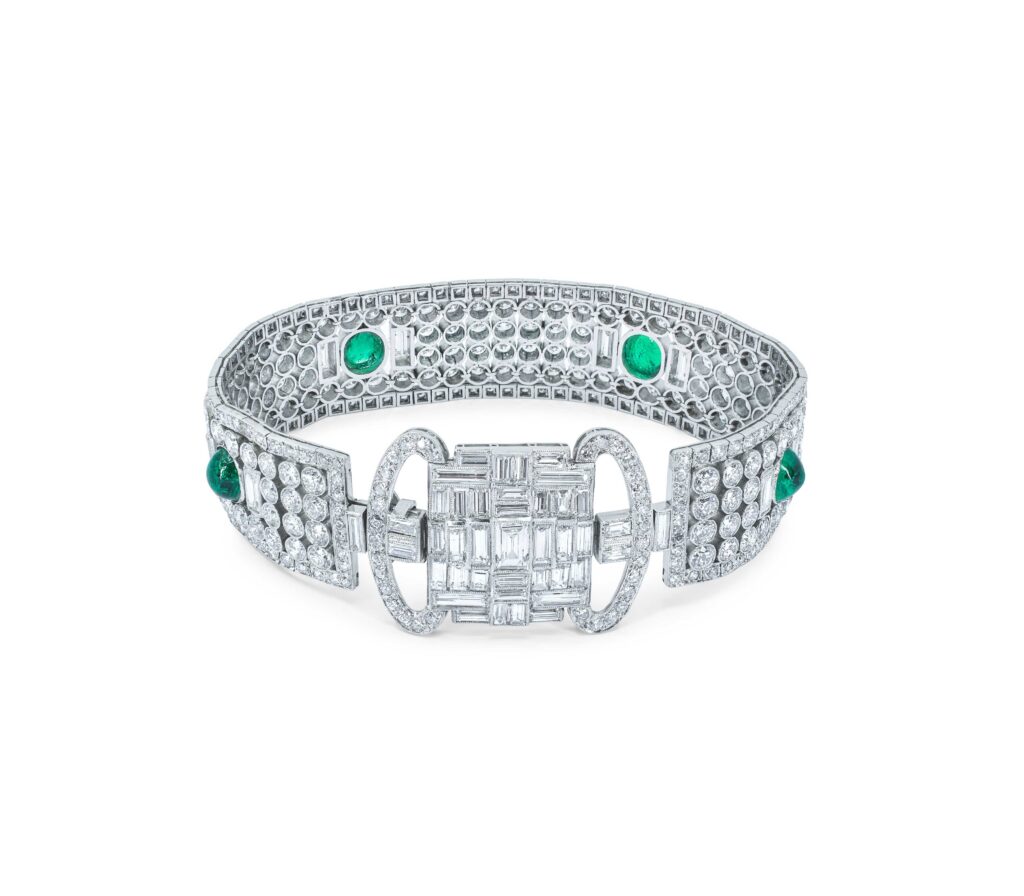
This is precisely why platinum and step cuts – primarily emerald – forever entered the Monegasque canon. Such cuts require stones of exceptional quality: they hide nothing and forgive nothing. In social terms, this simply means: “I can afford a stone that has nothing to mask.”
The auction that showed the price of authenticity
In November 1974, a sale took place in Monte Carlo that became an important milestone for the Riviera jewelry market. The jewelry of Sita Devi – Maharani of Baroda, who had lived in the principality for many years and brought a collection that was itself part of world history – was put up for auction.
Among the lots stood out the Hindou Necklace by Van Cleef & Arpels – a fringe necklace with thirteen emerald drops totaling approximately 150 carats. The emeralds came from the royal treasury of Baroda and had Mughal origins – they were brought to India in the 16th-17th centuries, during the flourishing of the Mughal Empire, when Colombian emeralds were considered the embodiment of divine light.
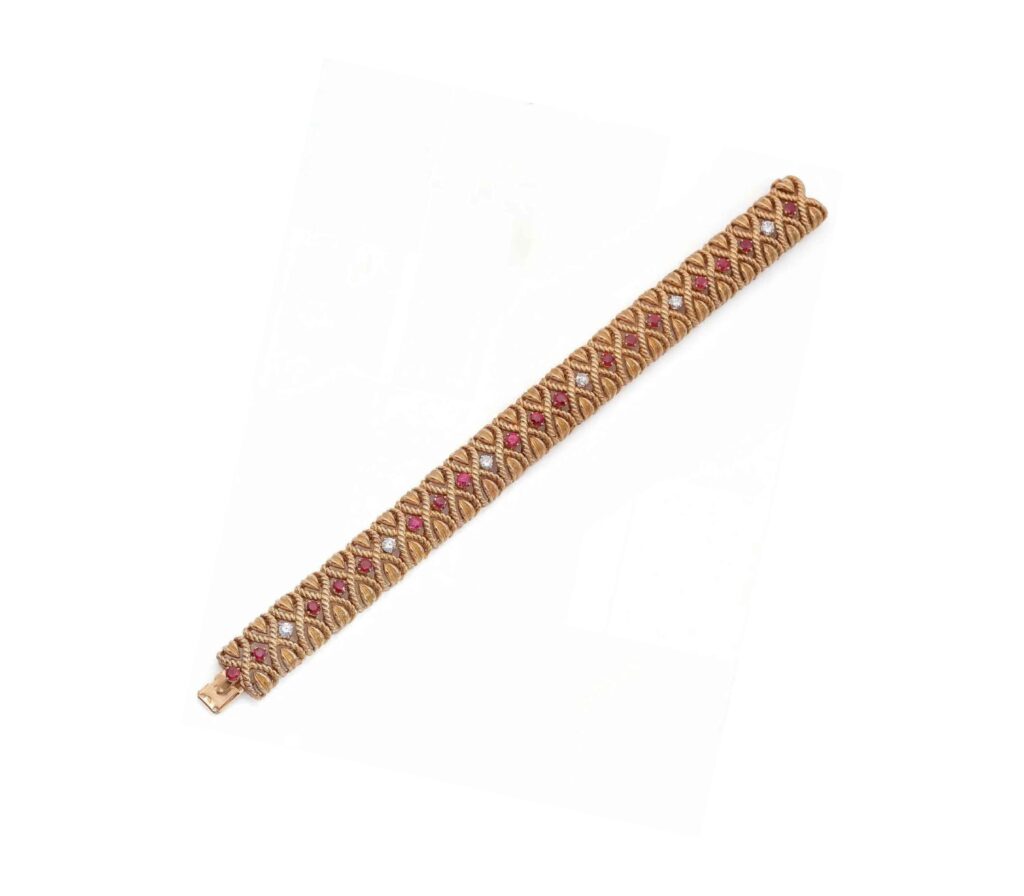
In the same collection included bracelets with Burmese rubies and a 1953 Cartier bracelet with natural grey and black pearls – stones whose extraction had practically ceased by the mid-20th century.
This wasn’t just a sale – it was a demonstration of what true rarity means.
Value was determined not by the size of stones but by their history and origin. The emeralds from the Hindou Necklace were part of Mughal heritage – a tradition in which every major stone had a biography, passed through the hands of emperors, and became part of dynastic memory. Burmese rubies were famous for their rich color and purity characteristic of the legendary Mogok mines. Natural pearls were already rare by that time – deposits were depleted, and each represented a fragment of a vanished era.
Collectors fought not for brilliance but for authenticity that cannot be faked. Lots with impeccable history – Mughal origin, royal provenance, the recognizable hand of great houses – attracted the most intense attention.
The sale of the collection brought about $4 million – an impressive sum at the time that confirmed a simple principle: Monaco values rarity confirmed by history, not just carats.
Schools of taste: Casino, Yacht Club, Charity Balls
In Monaco, taste is formed by places where you find yourself on display – and where your choice is read instantly.
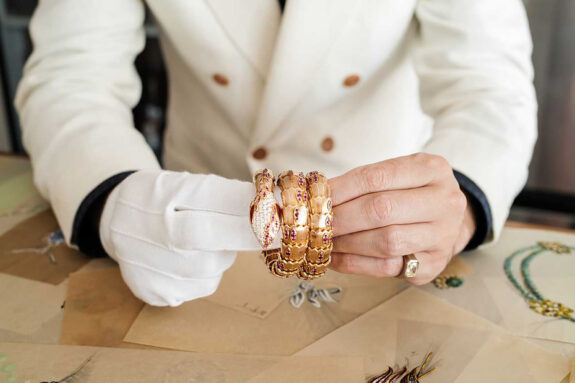
The casino created a culture of evening classics: white metals, clear graphics, diamonds without excessive demonstrativeness. Here jewelry must look impeccable under artificial light, in motion, at a distance – while maintaining clarity of form.
The Yacht Club de Monaco established the code of La Belle Classe – a philosophy in which ethics, etiquette, and aesthetics are inseparable. Hence clean lines, precise proportions, a sense of expensive naturalness. Jewelry here shouldn’t stand out – it complements the image rather than dominating it.
The Rose Ball and Red Cross Gala are high-society events where every piece of jewelry undergoes triple scrutiny. It must look impeccable through camera lenses that capture every detail. It must meet strict dress codes – here everything matters, from choice of metal to stone size. And finally, it must make the right impression during close personal interaction, when your companion sees not only form but quality of execution, clarity of stone, filigree craftsmanship.
These three environments work as a filter: what withstands them simultaneously becomes part of the Monegasque canon.
Three schools, one style
Monaco emerged at the intersection of three great jewelry traditions, each leaving its mark.
France brought architectural thinking – strict geometry of lines, precise proportions, discipline of form. This is a vision in which jewelry submits to the laws of composition, and each element occupies its only possible place.
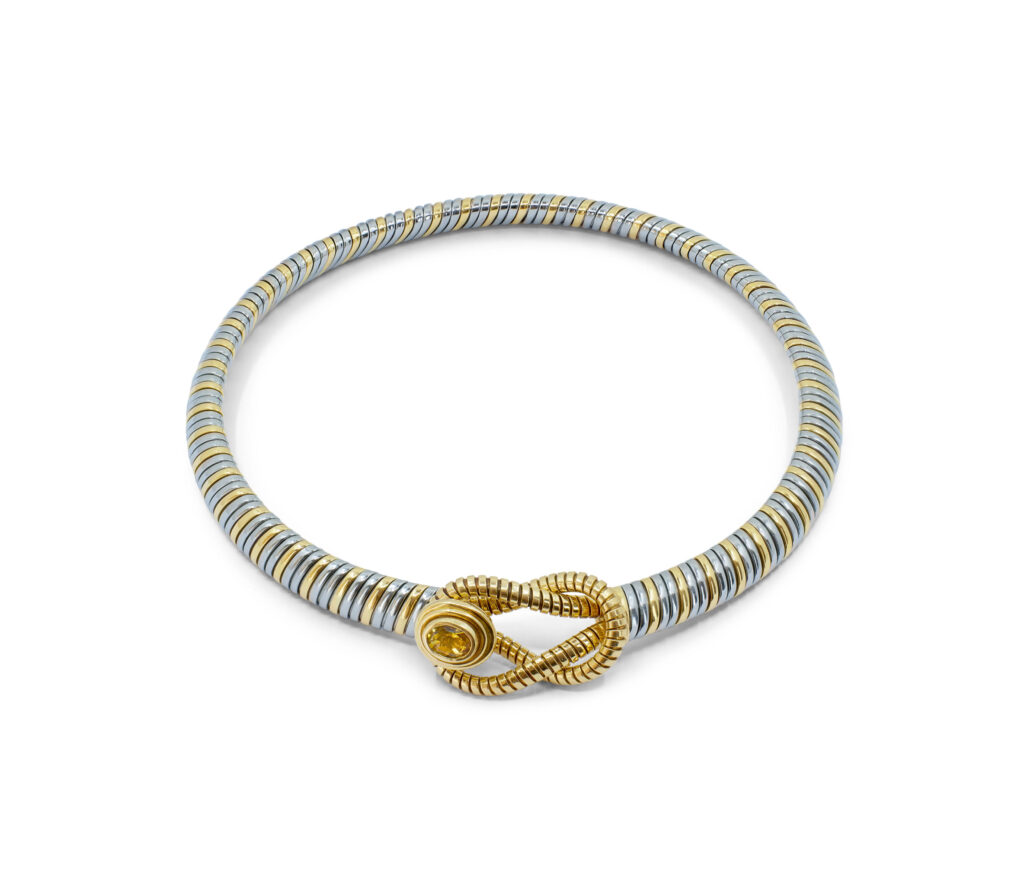
Italy added sensuality and material warmth – living, warm gold, rich color of stone, sensation to the touch. Here jewelry addresses not only the eye but also the skin, the body. It must be pleasant, tangible, alive.
The Riviera contributed light – merciless Mediterranean light that forgives no falsity. Under this sun, any carelessness, any excessive effort, any imitation becomes instantly noticeable. Light works as a developer: it exposes essence, cuts away the superficial, leaving only what can withstand its test.
Monegasque style was born from this union. It’s a balance of strict architecture, tangible materiality, and absolute clarity. There’s nothing accidental about it – every detail is justified and necessary.
The ethics of purchase: when environment dictates criteria
Monaco concentrates significant capital, but money itself doesn’t form taste. It’s created by environment – the system of coordinates within which people make decisions.
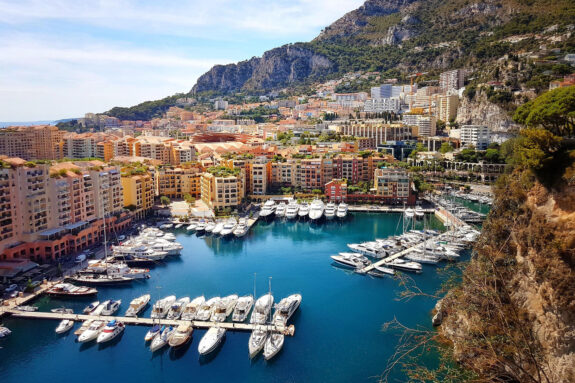
Auction houses, private collections, closed viewings, jewelry house salons have built a particular culture of perception. Here jewelry is viewed not as an accessory but as a cultural object – with its own history, genetics, place in context. This isn’t something worn but an object collected, studied, and passed down.
A stone must be rare by nature, not by legend. It must undergo laboratory examination and withstand it impeccably – with reports on origin, clarity, and absence or minimal enhancement.
It must have provenance – not in the sense of a certificate, but in the sense of destiny: where it came from, through whose hands it passed, why it matters now. The stone’s history here has almost the same significance as its physical characteristics.
Within this framework, classics aren’t conservatism but the language of appropriateness. What’s understood without explanation. What will remain relevant for decades because it doesn’t submit to fashion but exists beyond it.
Rarity isn’t a reason for noise but a form of quiet, conscious power. Those who understand will understand. The rest need no explanation.
In place of an afterword
In a world where the word “luxury” has become a common marketing term, Monaco still draws a clear line between “expensive” and “valuable.”
Here jewelry isn’t a way to demonstrate one’s budget. It’s a statement about material quality, its origin, and depth of understanding. It’s a choice backed not by a sum but by criteria – an internal compass that cannot be bought but can be cultivated.
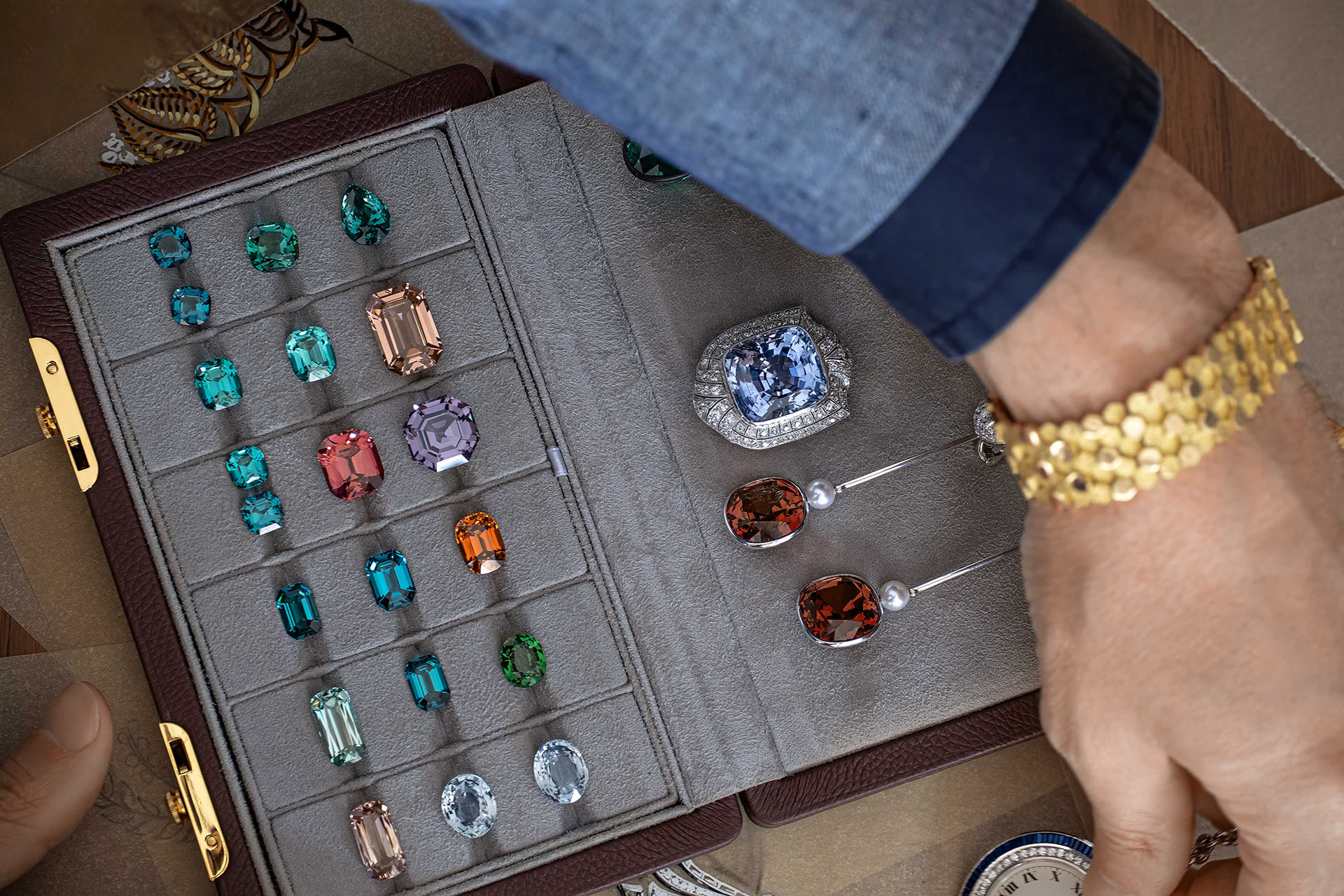
The Grigoryan Jewelry House shares this philosophy. We work with stones that have a history worthy of attention. And with people who know how to read that history – and make it part of their own.