


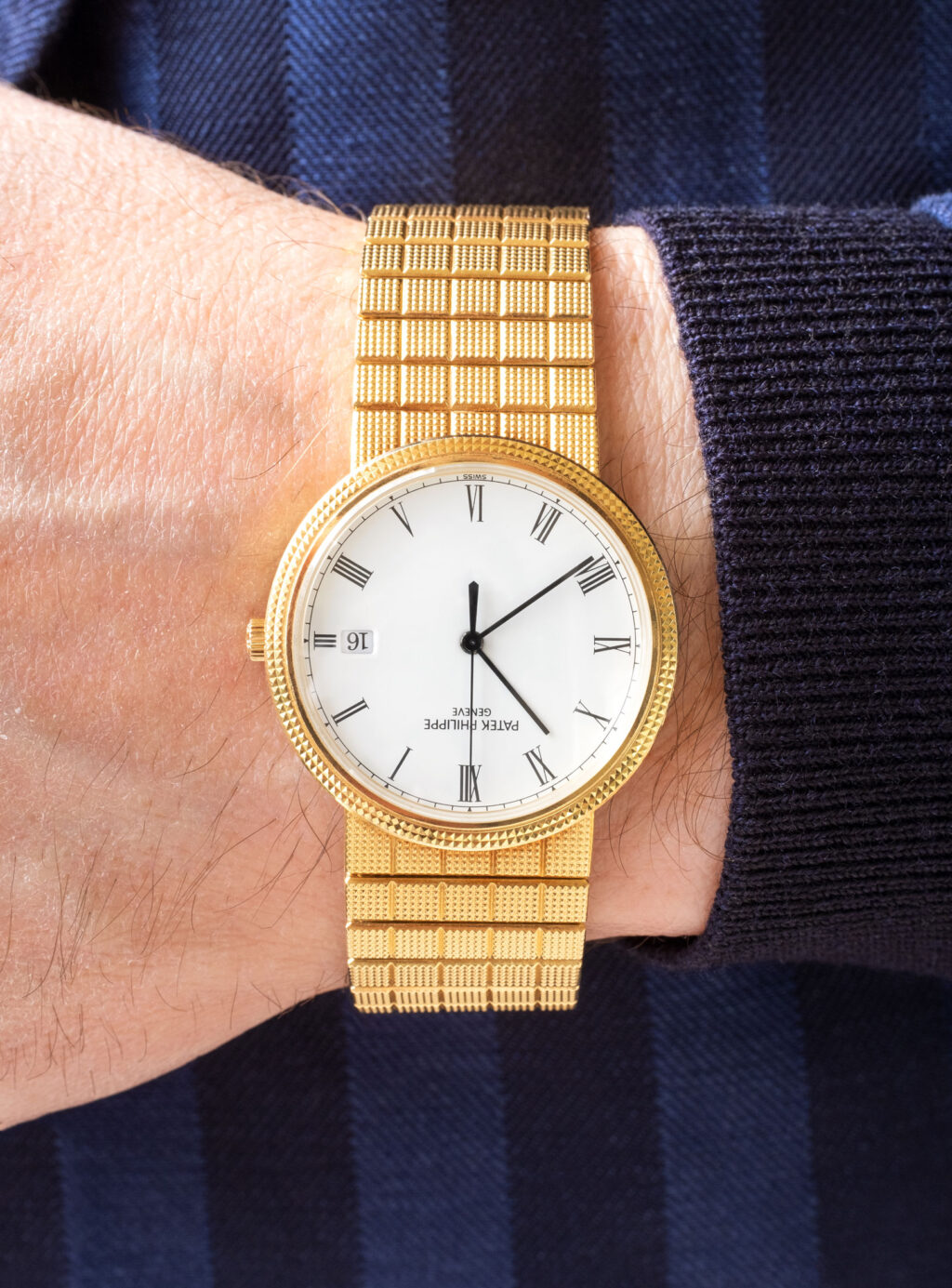
In a world where time is measured in moments between notifications, vintage watches remain the last bastion of unhurriedness – a mechanism that counts not just seconds, but the history of human ingenuity. For connoisseurs in Monaco, where yachts in Port Hercule harbor cost more than some museum collections, the right watch on the wrist is not merely status, but a quiet declaration of love for a craft older than the industrial revolution.
The Pocket Era: When Time Was Worn Close to the Heart
The first portable timepieces of the 16th century were more jeweled caprices than precision instruments. They were worn on a chain at the chest like precious pendants, and the dial bore only a single hour hand. Minute precision was an unattainable luxury, but the cases were covered with enamel miniatures and engravings, transforming the device into a portable picture gallery. Time in those days was more a philosophical concept than an engineering challenge.
Everything changed in 1675 when the spiral balance spring appeared – a tiny spring that transformed capricious mechanics into a reliable companion. Suddenly watches could show time accurate to the minute, not just “around noon.” This was a breakthrough comparable to the printing press: knowledge of time ceased to be the privilege of church bells and became personal property.
By the mid-18th century, English master Thomas Mudge created the lever escapement – a mechanism that still beats in the heart of most mechanical watches. This elegant system of levers and wheels became the universal language of the watch industry, its Latin, still spoken by masters from Geneva to Tokyo.
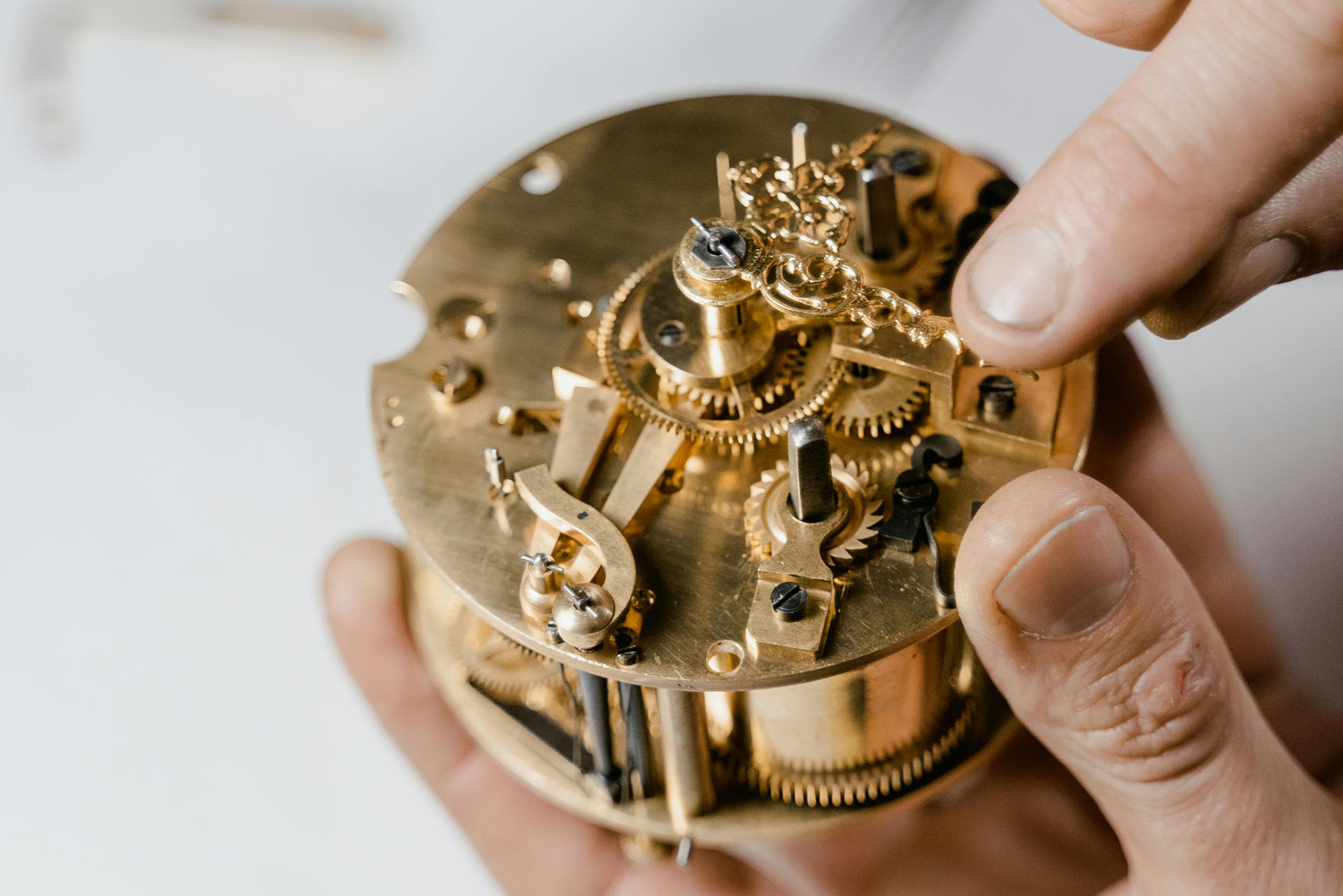
The true genius of the pocket era was Abraham-Louis Breguet – a man whose name in the watch world sounds like Stradivari in the world of violins. In 1780 he created the Perpétuelle – a self-winding watch powered by the owner’s movements. Imagine: two and a half centuries before smartwatches, Breguet already understood that the best energy source for a portable device was the wearer himself.
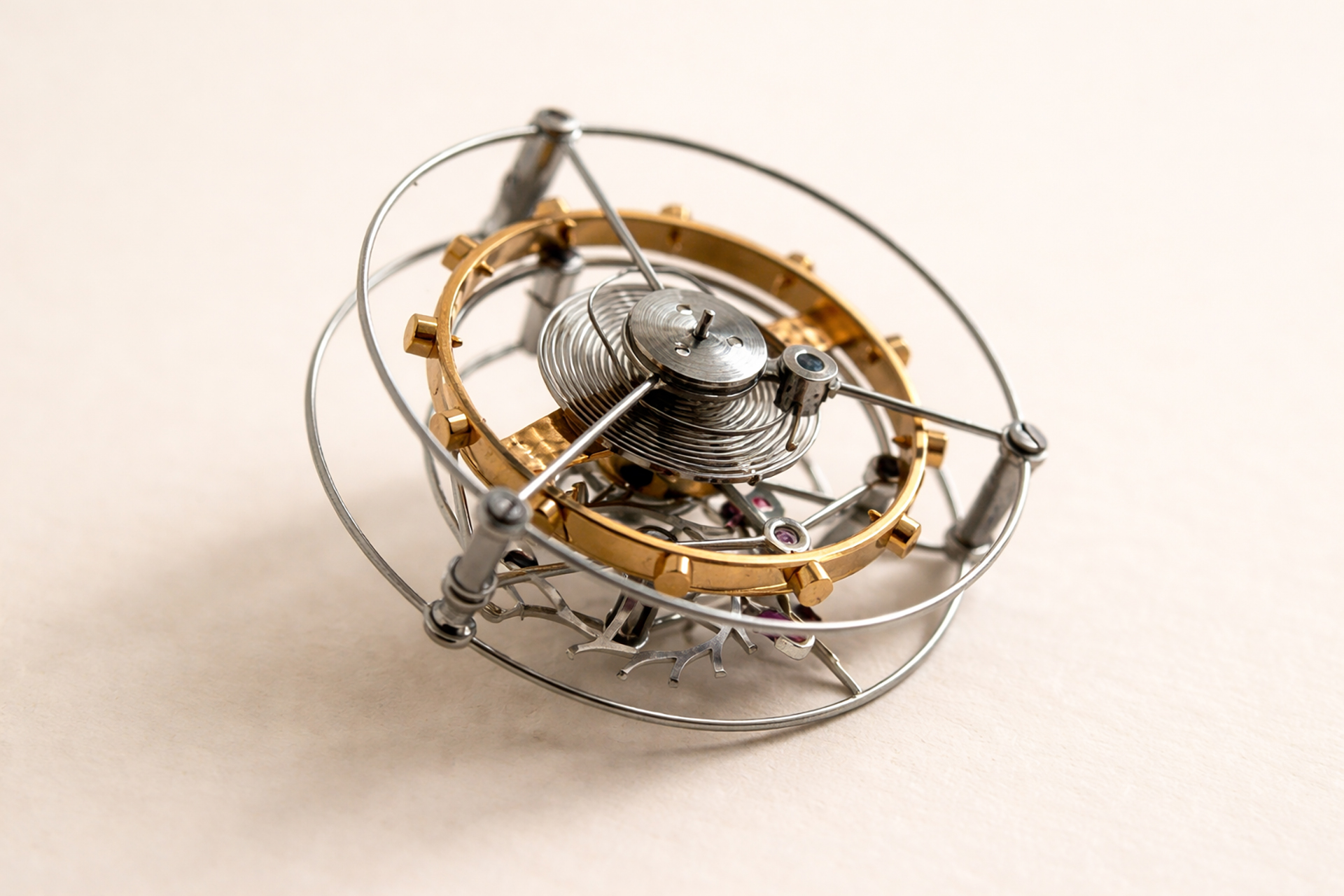
And in 1801 he patented the tourbillon – a rotating cage for the balance that compensates for gravity’s influence. To this day, the tourbillon remains the pinnacle of watchmaking mastery, and its hypnotic rotation the most expensive ballet in the world of mechanics.
The Wrist Revolution: The 20th Century Transformation
Wristwatches were born not from fashion, but from necessity. In 1810, Breguet received an order from Queen Caroline Murat of Naples for a watch “intended to be worn on the wrist” – possibly the first officially documented case of such a format. But the real revolution was made not by monarchs, but by pilots.
In 1904, Brazilian aviator Alberto Santos-Dumont approached his friend Louis Cartier with a practical problem: how to read time in flight when both hands are on the controls? Cartier responded by creating the Santos – a watch with a square case and visible screws that looked as if assembled from airplane parts. This was a watch for a new era – an era of speed, altitude, and technical progress.
In 1926, Rolex made the next breakthrough: the hermetic Oyster case, the first waterproof wristwatch. To prove its reliability, the brand’s founder didn’t publish scientific reports – instead, he sent British swimmer Mercedes Gleitze to cross the English Channel with the watch around her neck. Ten hours in cold water, and the mechanism worked flawlessly. The next day, an advertisement in the Daily Mail transformed an engineering achievement into legend.
And in 1931, Jaeger-LeCoultre created the Reverso – a watch with a reversible case, born from a request by British officers in India: “we need a watch that can withstand a polo ball strike.” The solution was elegant: instead of making the crystal unbreakable, they simply made it reversible. Art Deco met practicality, and an icon was born.
The Quartz Revolution: When Physics Challenged Craftsmanship
On September 9, 1969, a presentation took place at Tokyo’s Imperial Hotel that would forever change the watch industry. Seiko unveiled the Astron 35SQ – the world’s first mass-produced quartz wristwatch. The price was astronomical – equivalent to an average car. The accuracy was fantastic – plus or minus five seconds per month versus plus or minus five seconds per day for the best mechanical chronometers.
The secret lies in quartz physics: a crystal connected to an electrical circuit oscillates at a frequency of 32,768 times per second – so stable that this frequency became the world standard. Electronics divide it into even second pulses, and a tiny stepper motor moves the hands. No friction from the balance wheel, no sensitivity to position, no need for winding.
The Swiss industry perceived quartz as a threat – and was right. Between 1970 and 1985, the sector lost six out of ten jobs. Employment fell from 90,000 to 30,000 people. The number of companies shrank from 1,600 to several hundred. This wasn’t just an economic crisis – it was a tsunami that swept away entire dynasties of craftsmen.
The quartz crisis saved watchmaking art in a strange way: by freeing it from the need to compete on accuracy. Mechanical watches ceased to be instruments and became works of art – objects where value is measured not in seconds, but in hours of handwork invested in finishing bridges, polishing screws, and guilloché-engraving dials. Quartz became mass-market – mechanics became elite.
Geography of Mastery: Where Legends Are Born
For collectors, it’s important to understand: watches are not just the brand on the dial, but the geography of production, the philosophy of quality control, the architecture of the caliber.
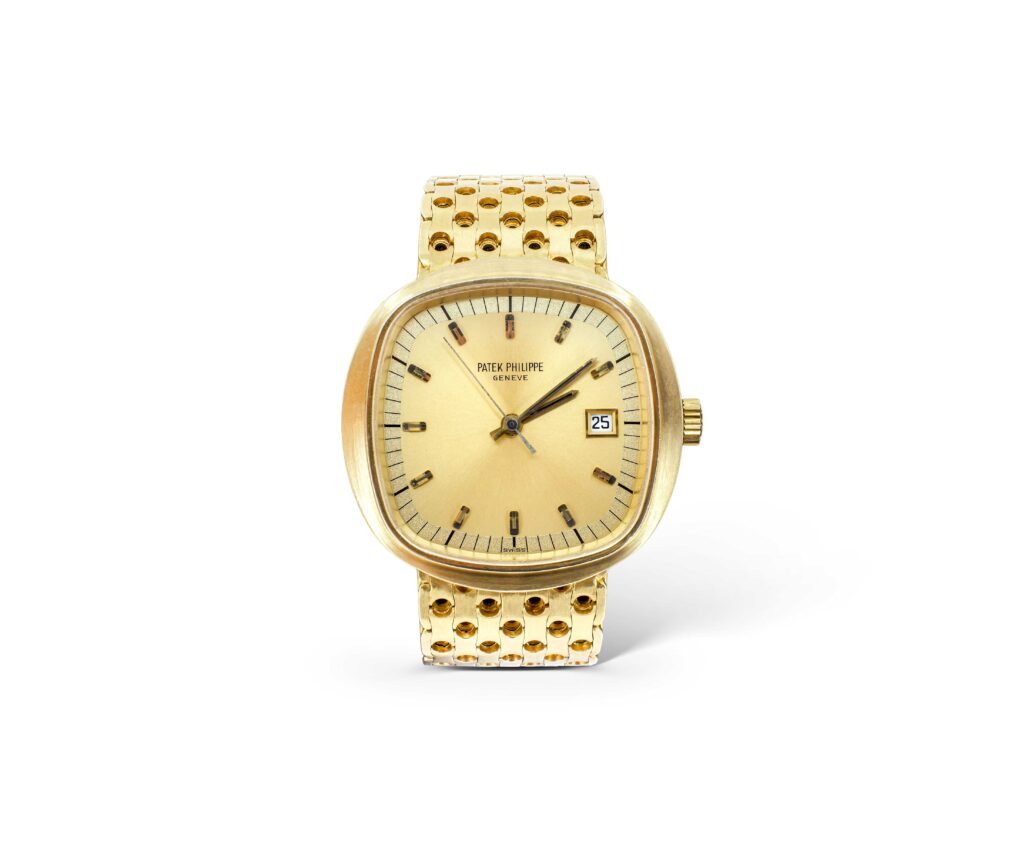
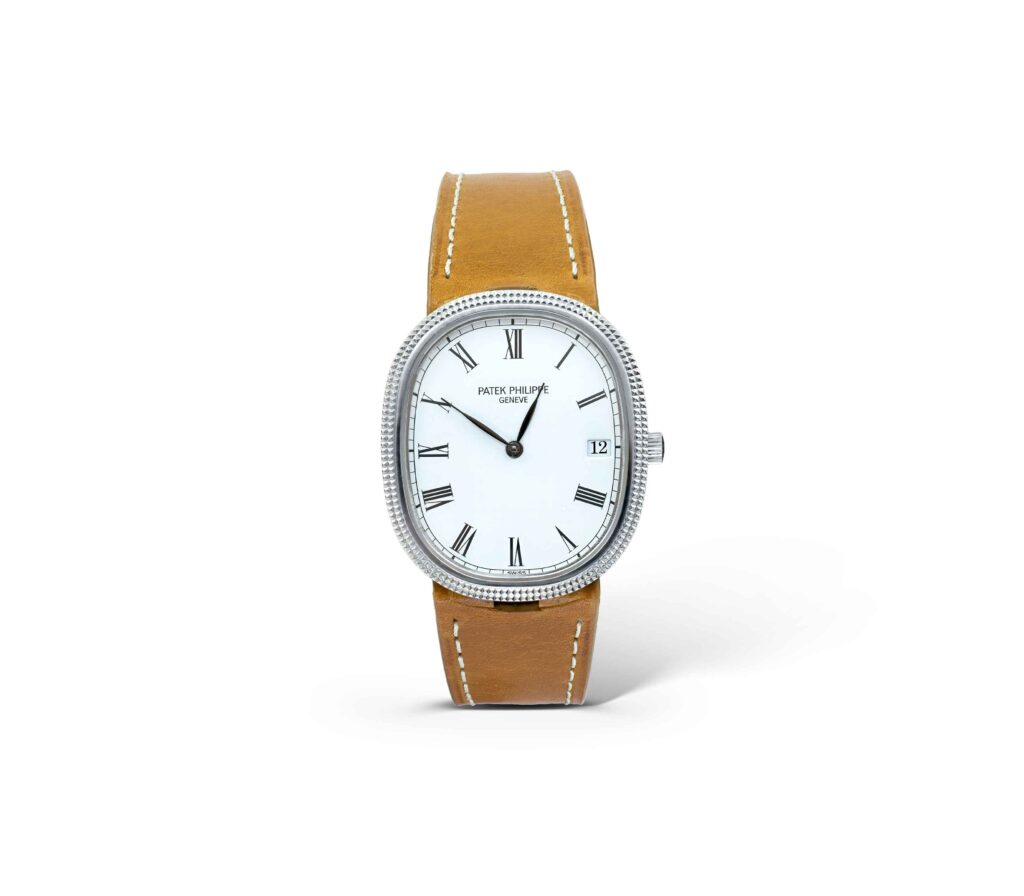
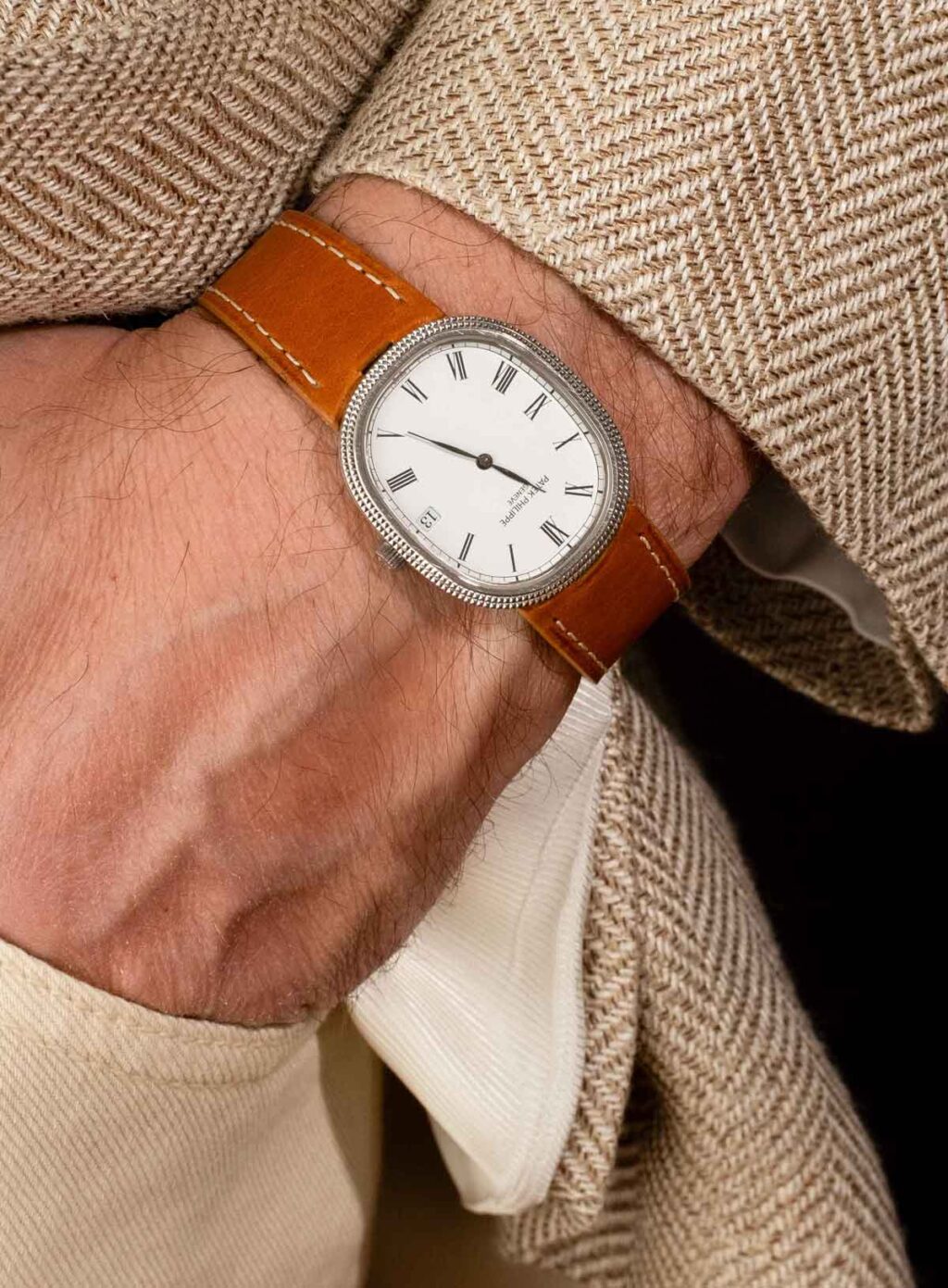
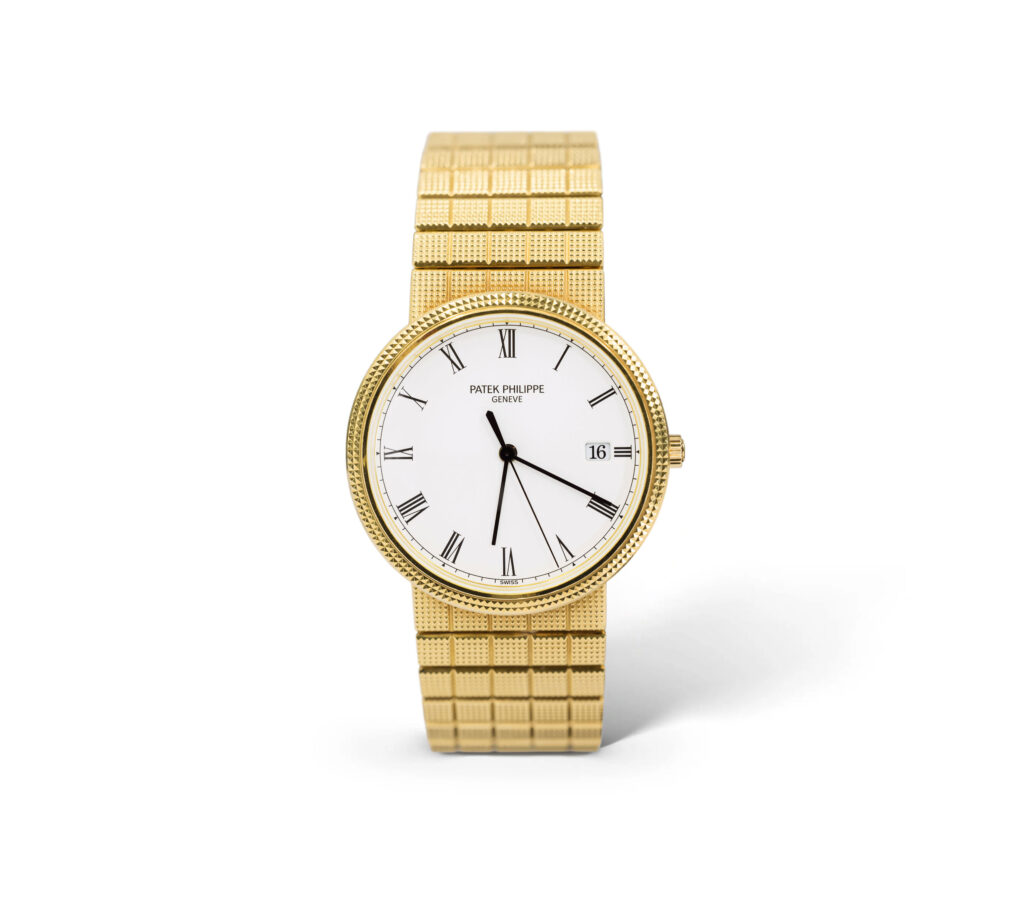
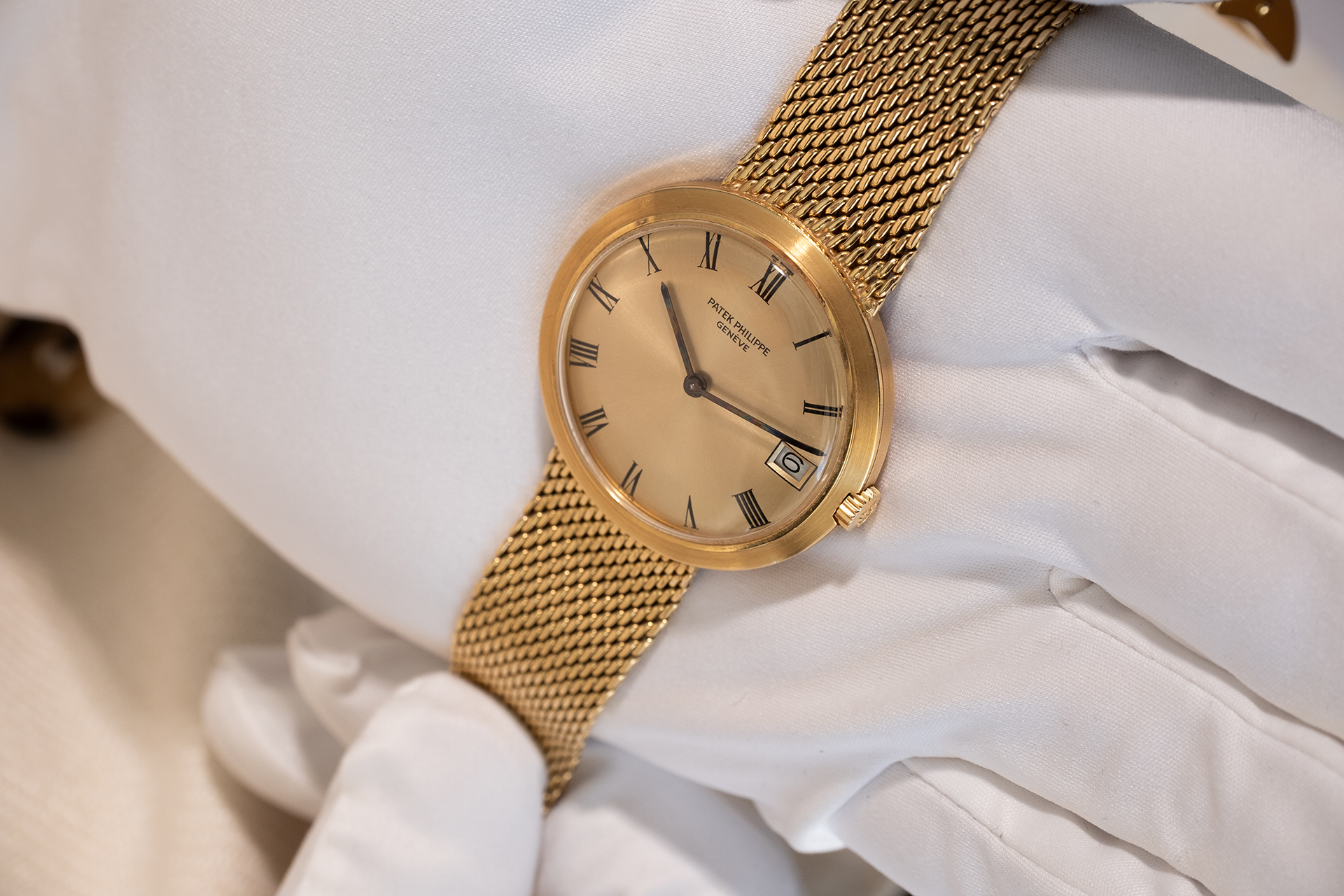
Patek Philippe is Swiss independence in its purest form. Since 1839, the family company has created watches with a rate tolerance of minus one, plus two seconds per day – stricter than COSC standards. Their internal Patek Philippe Seal guarantees not only accuracy but lifelong service. The company’s archives contain data on every watch produced since founding—any piece can be verified and authenticated. On the secondary market, the price range extends from $3,500 to nearly $7 million for the rarest pieces like the Ref. 1518 – the first series-produced wristwatch chronograph with perpetual calendar.
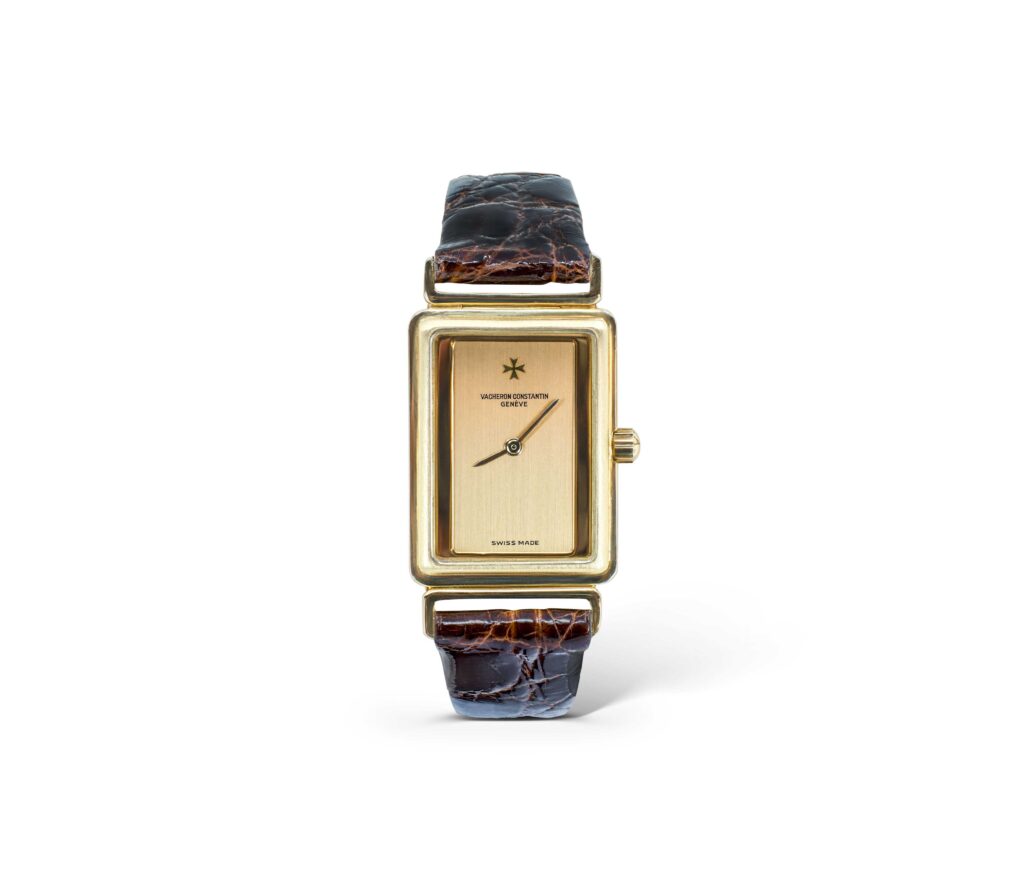
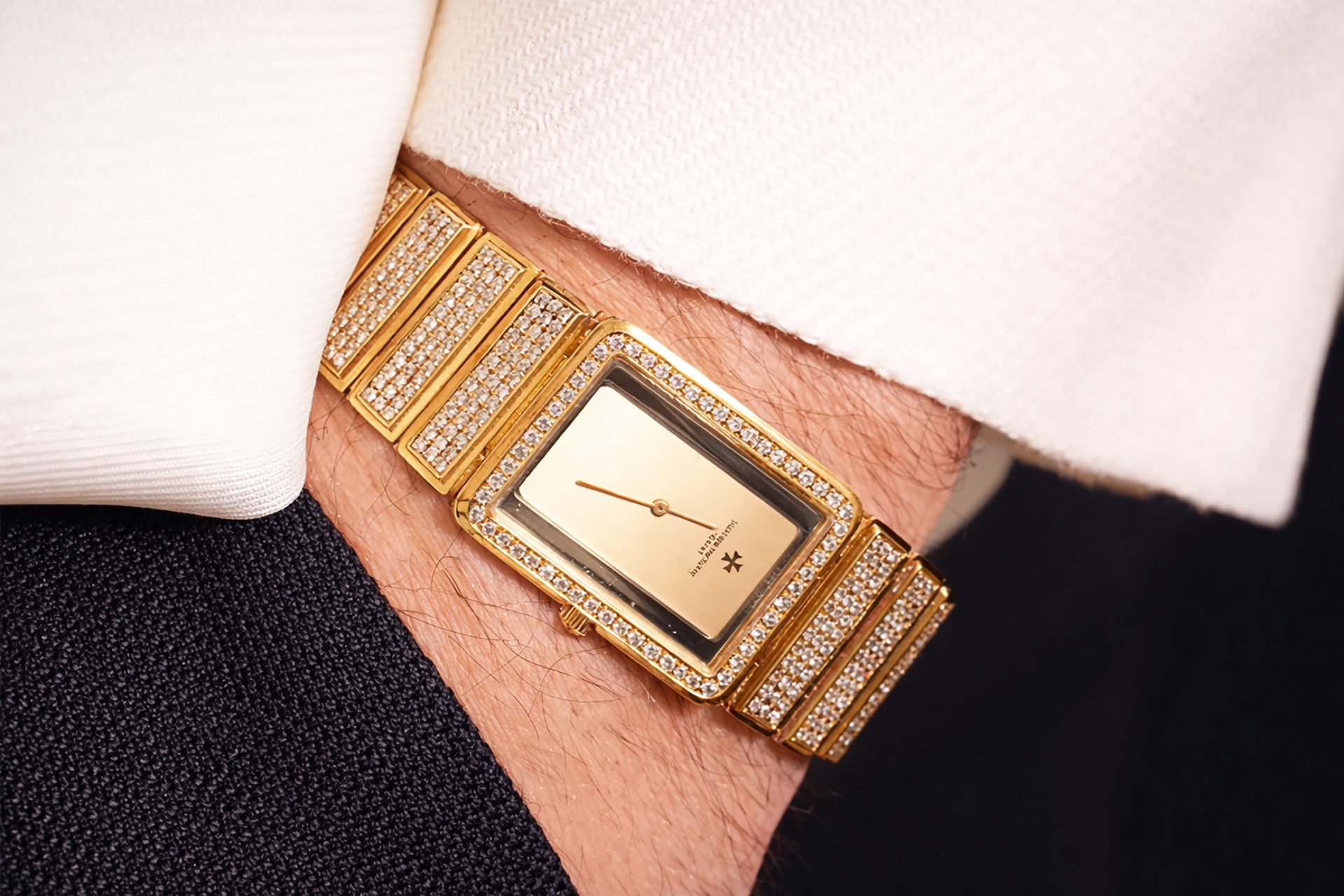
Vacheron Constantin, founded in 1755, is the oldest continuously operating watch house. Their manufacture in Plan-les-Ouates, designed by architect Bernard Tschumi, is a manifesto of transparency: glass walls allow observation of the entire production process. The Les Cabinotiers program creates one-of-a-kind commissions – watches that will never be repeated, where traditional Métiers d’Art meet individual client wishes.
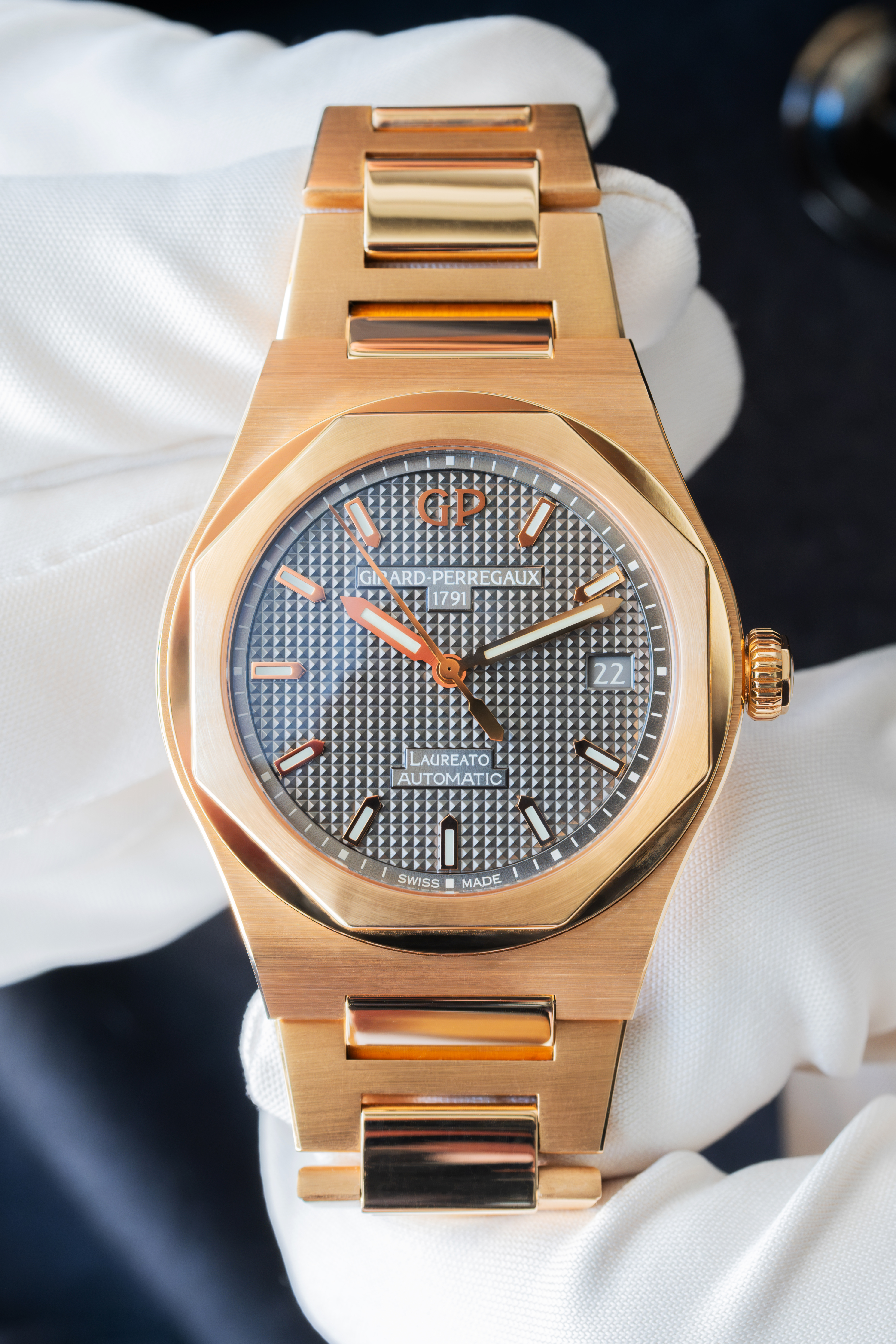
Audemars Piguet from Vallée de Joux transformed sports watches into haute horlogerie. The 1972 Royal Oak – an octagonal steel case designed by Gérald Genta – proved that steel could cost more than gold if design and execution are flawless. On the secondary market, early “Jumbo” 5402 models start at $30,000 and easily exceed $100,000.
Omega from Bienne builds the image of a “21st-century manufacture.” Their co-axial escapement, introduced in 1999, is the first fundamental change in escapement architecture in 250 years. And Master Chronometer certification with METAS tests verifies not just accuracy, but resistance to magnetic fields up to 15,000 gauss. The Speedmaster, which went to the Moon, remains the only watch certified by NASA for extravehicular activity.
Anatomy of the Mechanism: What Hides Beneath the Dial
A mechanical watch is an orchestra of 200 – 400 components, where each must play in time. At the center is the oscillator: a balance wheel making 28,800 semi-oscillations per hour (4 Hz in modern terminology), and the hairspring – a spiral spring regulating these oscillations. The escapement is a lever mechanism that converts the continuous rotation of the mainspring into discrete impulses for the balance. The gear train transfers energy from the barrel to the hands, making exactly 12 rotations of the hour hand per half-day.
Finishing is a separate art. Côtes de Genève – parallel stripes on bridges, applied by hand. Perlage – circular graining on the plate, created with a rotating tool. Anglage – hand polishing of bevels at 45 degrees. All this is visible only through a transparent case back, but for the connoisseur, this is where the master’s signature lies.
A quartz mechanism is conceptually simpler, but not technologically. A quartz crystal enclosed in a vacuum capsule oscillates under electric current. An integrated circuit divides this frequency down to one hertz. A stepper motor – a tiny coil and magnet – moves the hands. A battery provides two to ten years of autonomy. But it was precisely this simplicity that made quartz mass-market – and precisely this that stripped it of collector aura, except for historical pieces like that very 1969 Astron.
Legends That Shape the Market
Every great collection is built not only on facts but on legends – stories that transform metal and sapphire into myth.
Breguet No. 160 “Marie-Antoinette” – a watch begun for the queen in 1782 and completed 44 years after her execution. In 1983 it was stolen from a museum in Jerusalem. In 2007 it was returned. Breguet created a reconstruction from archives. The original cannot be valued in money – it belongs to history.
Omega and Apollo 13 – when the 1970 mission was on the brink of catastrophe, astronauts used the Speedmaster to time a 14-second engine burn that saved their lives. For its contribution to manned missions, NASA awarded Omega the Silver Snoopy Award. For the market, this is an example of how documented use translates into a price premium.
Rolex and the English Channel – in 1927, an Oyster spent over 10 hours around Mercedes Gleitze’s neck in the cold waters of the strait. Publication in the Daily Mail gave birth to the concept of Testimonee – celebrities confirming product quality not with words, but with deeds.
What’s Next: Collecting as Philosophy
Vintage watches in Monaco are not an investment in the past, but a bet on the future. On a future where manual craftsmanship will be valued over mass production. Where the history of a specific piece matters more than the logo on the dial. Where understanding mechanics brings more pleasure than owning a brand.
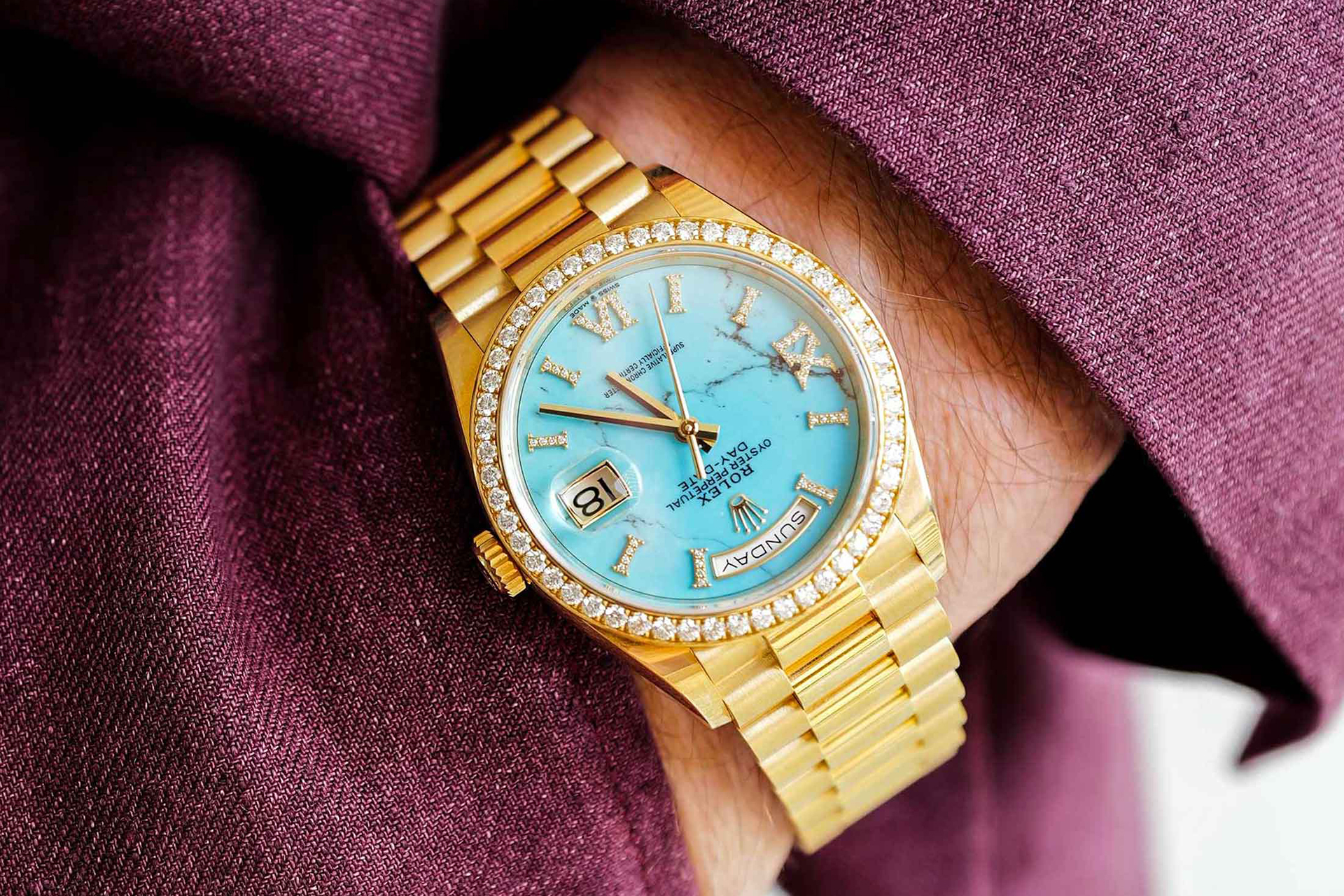
Time on the wrist is not just a function. It’s a conversation with a master who lived two hundred years ago, but whose hairspring still oscillates 28,800 times per hour. It’s recognition that in a world of disposable electronics, there exist things created for generations. It’s a quiet reminder that the best time is not that which runs faster, but that which is measured beautifully.
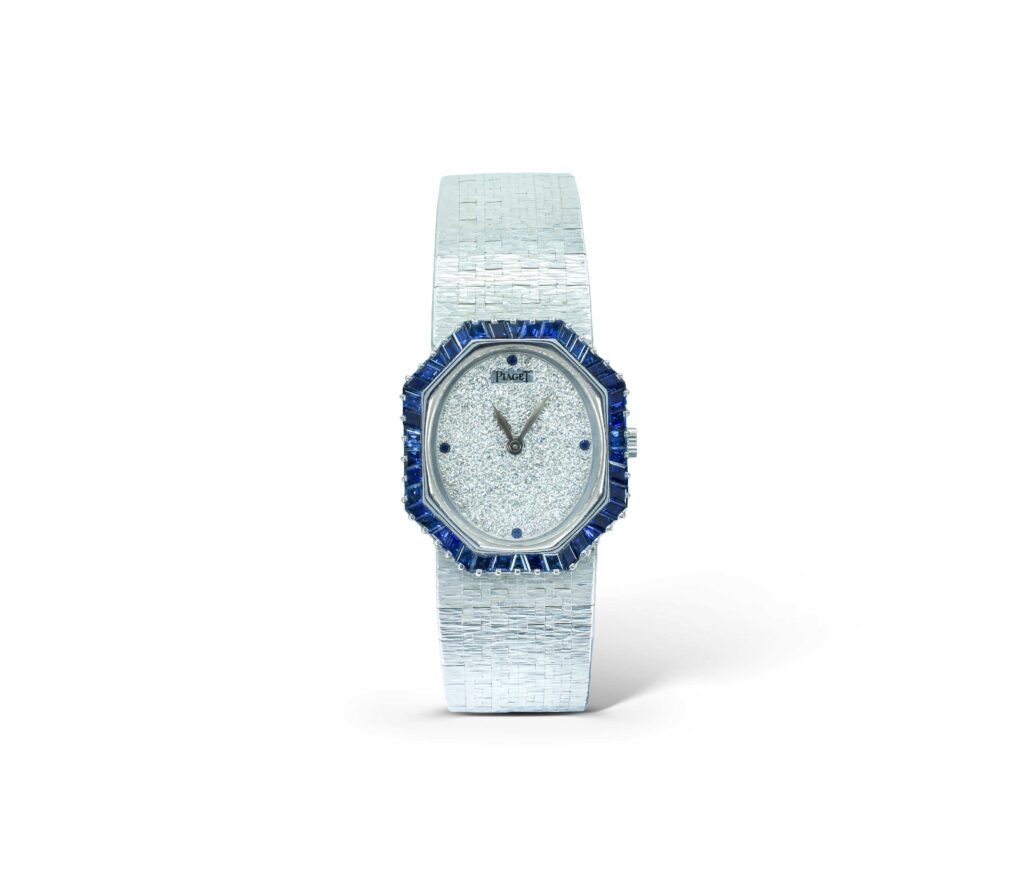
At Grygorian Gallery, we understand that the right watch is more than a timekeeper. It’s a legacy that becomes part of family history. Our curated collection of vintage watches – from rare Patek Philippe and Rolex to exquisite Piaget and historic chronometers – is assembled with the same passion with which masters of the past created each mechanism. Every piece undergoes thorough authentication, every provenance story is verified, every detail preserved as envisioned by its creators.