


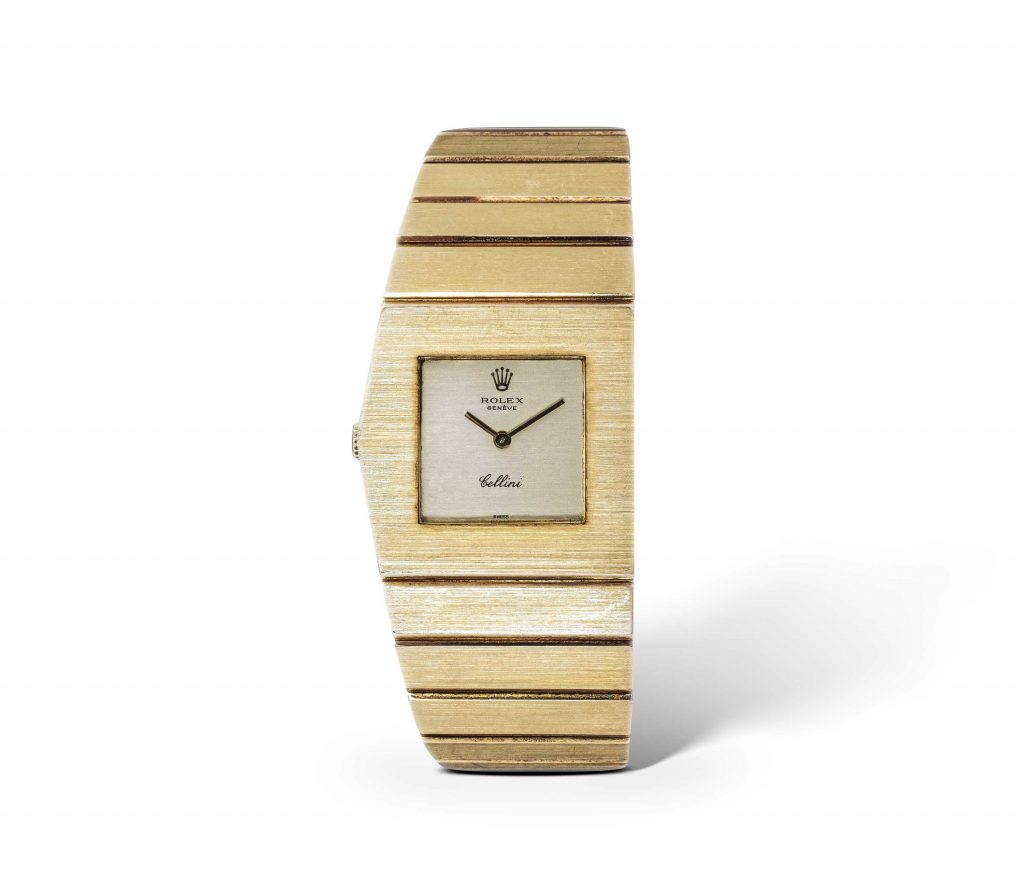
In March 2026, gold has once again affirmed its status as an eternal store of value. Trading around $5,100 per ounce, the noble metal continues to capture the attention of investors, collectors, and master jewellers alike. For those who work with precious metals and gemstones, understanding the forces driving this market is no longer merely an academic interest – it is a practical necessity. Every dollar per ounce is reflected in the cost of materials and, ultimately, in the value of the masterpieces being created.
Historical Context: Gold as an Eternal Constant
Gold has held a singular place in human civilisation since time immemorial. From the royal diadems of Ancient Egypt to the modern investment portfolio, this metal has never lost its allure. The Byzantine solidus, the Venetian ducat, the British sovereign – all these coins share a common thread: they were minted in gold for good reason. A metal that does not rust, does not tarnish, and preserves its beauty across centuries became the universal language of value.
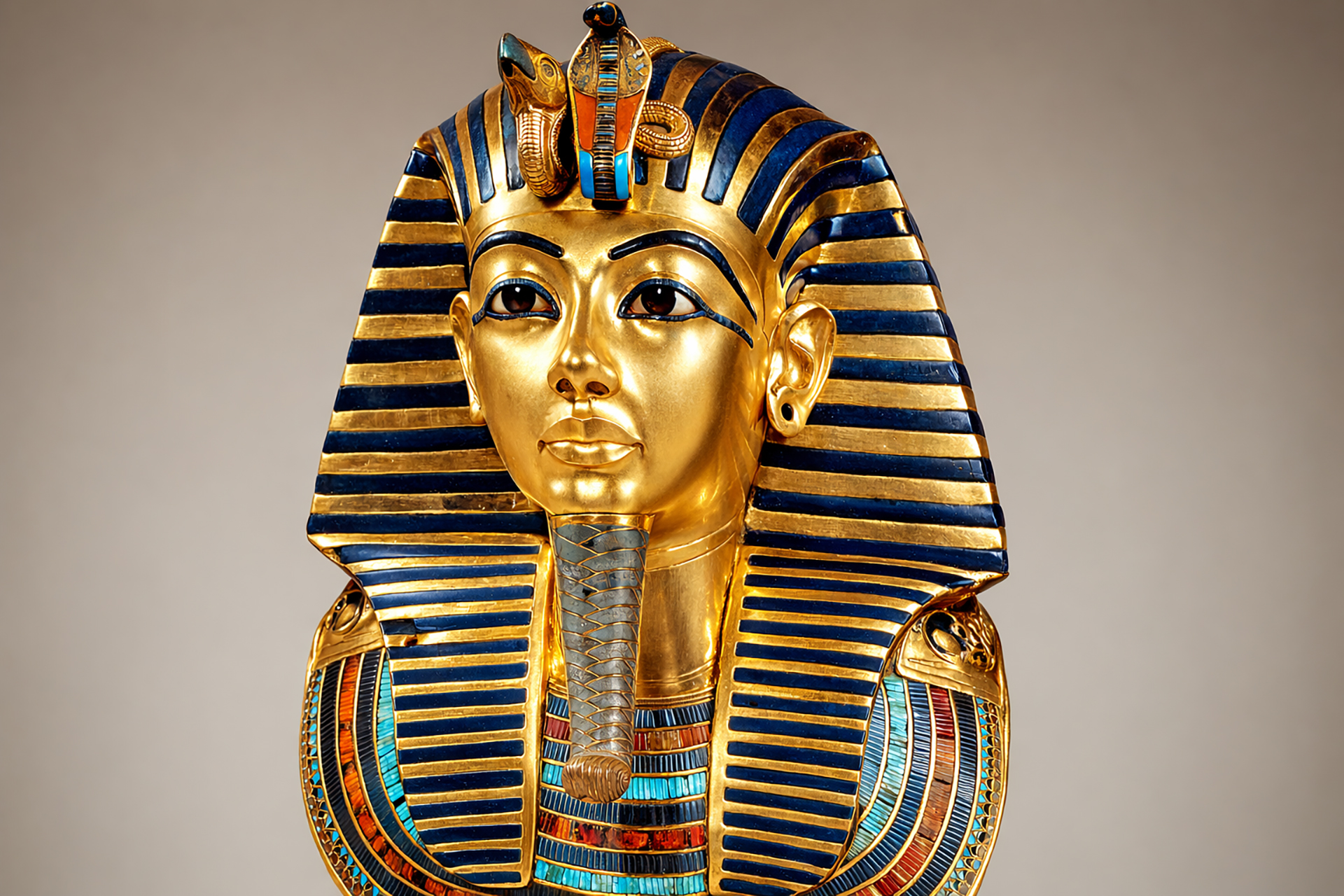
The pharaohs of Egypt believed gold was the flesh of the gods – the material embodiment of sunlight on earth. It is no coincidence that the mask of Tutankhamun, having lain in its tomb for more than three thousand years, has retained its dazzling brilliance. The Romans minted aurei from pure gold to project imperial authority across every continent. Medieval alchemists spent their lives attempting to transmute lead into gold, intuitively sensing that whoever mastered that secret would command the world.
In the Age of Exploration, gold was one of the principal reasons Europeans embarked on perilous voyages across the oceans. Conquistadors plundered Inca temples; British pirates hunted Spanish galleons laden with New World gold. The gold rushes in California, the Klondike, and Australia transformed the fates of individuals and conjured entire cities into existence virtually overnight.

In the twentieth century, gold played a pivotal role in the global financial system. The Bretton Woods system pegged the US dollar to gold at $35 per ounce, with all other currencies tied to the dollar. When President Nixon ended the dollar’s convertibility into gold in 1971, it marked the dawn of the era of freely floating currencies. Yet even after that, gold did not lose its significance – on the contrary, freed from a fixed price, it began trading in accordance with its true worth.
Unlike paper currencies, which are vulnerable to inflation and devaluation, gold possesses intrinsic value. It cannot be printed at a central bank’s whim; its reserves are bounded by the geology of our planet. Across the entirety of human history, approximately 205,000 tonnes of gold have been mined – if gathered in one place, it would form a cube just 22 metres on a side. It is precisely this rarity and incorruptibility that has made gold what it has always been: a reliable refuge in turbulent times.
March 2026: Anatomy of a Rally
The beginning of March was marked by a significant surge in prices: gold reached $5,184 per ounce on 4 March, demonstrating a confident upward trend. The path higher, however, was far from smooth. On 5 March the price pulled back to $5,123, revealing the volatility of the market even amid an overall bullish sentiment. By mid-week, quotations stabilised around $5,092, reflecting consolidation at elevated levels.
This volatility is not a sign of weakness but rather evidence of an active tug-of-war between competing market forces. On one side, investors seeking safety in uncertain times continue to buy gold. On the other, speculators are locking in profits following the sharp run-up in January, when the metal reached an all-time high of $5,594.82 per ounce.
Notably, the year-on-year gain exceeds $2,200 per ounce – an impressive result that outpaces the returns of most conventional investment instruments. By comparison, the S&P 500 rose 16.39% in 2025, falling well short of gold’s 64% advance. This is one of those rare periods in modern history when the precious metal has so convincingly outrun the equity market.
For the jewellery industry, this translates into a substantial increase in raw-material costs, requiring a review of pricing strategies and more careful procurement planning. Manufacturers who were able to purchase gold a year ago at $2,900 per ounce today enjoy a considerable competitive advantage. Those working at current prices are forced to adapt to the new reality.
It is worth noting that the $177 single-day price drop on 3 March occurred after gold had been trading at record highs earlier that week. Such corrections are typical of markets operating near historical peaks. As Hiren Chandaria of Monetary Metals observed, given the strength of the recent rally and market positioning, a sharp near-term pullback would not be surprising – though he emphasises it would be a correction, not a trend reversal.
Growth Drivers: Geopolitics and Monetary Policy
Several key factors are shaping the current dynamics of gold prices.
Geopolitical Instability
The escalation of the conflict between the United States, Israel, and Iran at the end of February 2026 triggered a historic price surge, lifting gold from $5,100 to $5,300 per ounce in a single trading session – a gain of more than $200 that will enter the textbooks of financial market history as one of the most dramatic safe-haven rallies on record.
On 28 February, coordinated US and Israeli strikes on Iranian targets set off panic buying across all precious metals markets. This was not merely a Western phenomenon – it was a global rush to the world’s foremost monetary refuge. In India, gold prices jumped more than ₹3,100 per 10 grams in a single day, reaching ₹1.64 lakh. Chinese investors moved to buy gold bars en masse; European funds recorded record capital inflows.
Experts highlight the inflationary impact of both tariffs and elevated oil prices, particularly against the backdrop of the risk of further strikes. Bart Melek, Global Head of Commodity Strategy at TD Securities, commented that tariffs carry inflationary weight just as high oil prices do – especially if further attacks are imminent – and that there is also hedging taking place among investors who are turning to gold.
In conditions where global markets are balanced on the edge of trade wars and armed conflicts, gold becomes the asset that is independent of the political will of any individual state. Moreover, the geopolitical situation in 2026 is compounded by multiple flashpoints: not only in the Middle East, but also in connection with Venezuela and Greenland, as well as the ongoing threat of US tariffs and sanctions.
The unpredictability of economic policy and elevated market volatility are reinforcing gold’s appeal as the preferred safe-haven asset in a period of global uncertainty. This is not a short-term reaction to news but a structural shift in the perception of risk.
Central Banks as Buyers
According to J.P. Morgan projections, central banks will continue purchasing approximately 190 tonnes of gold per quarter. This is structural demand that creates a durable floor under prices. Countries are seeking to diversify their reserves and reduce their dependence on the US dollar – a trend that has come to be known as “de-dollarisation.”
This tendency has deep roots. After the United States and its allies froze Russian reserves in 2022, many countries came to appreciate the risks of excessive reliance on dollar-denominated assets. Thomas Winmill of Midas Funds explains that dollar assets are increasingly viewed as risky in light of US sanctions, restrictions on SWIFT access, asset seizures, military interventions, and similar actions. When a currency or financial assets can be frozen or annulled overnight for political reasons, gold looks far more attractive.
The central banks of China, India, Poland, and other countries are actively building their gold reserves. China has been buying gold for 14 consecutive months – a record for the country. The National Bank of Poland has announced plans to increase its gold holdings from 550 to 700 tonnes. The Central Bank of Turkey is also regularly adding to its precious metal reserves.
This is not short-term speculation but a long-term strategy for protecting national wealth. For the market, it means consistent, predictable demand that will not evaporate at the first sign of economic stabilisation. Central banks are not speculators reacting to short-term price swings – they are institutional buyers with multi-year strategies and virtually unlimited resources.
Furthermore, central banks are buying gold not only for diversification but as a symbol of financial sovereignty. Gold, unlike the bonds of foreign states, is an asset that rests entirely within the control of its owner. It cannot be devalued by a foreign central bank’s decision; it cannot be frozen on political grounds. In an era of rising geopolitical rivalry, this property is acquiring exceptional value.
Investment Demand and ETFs
In 2025, demand for gold ETFs grew ninefold compared with the previous year. Exchange-traded funds backed by physical gold allow investors to gain market exposure easily, without the need to store bullion. This trend is continuing and strengthening in 2026.
J.P. Morgan forecasts inflows of approximately 250 tonnes into ETFs during 2026 – equivalent to a significant share of global production. In the third quarter of 2025 alone, investments in gold through US mutual funds reached a record $26 billion, underscoring the growing role of institutional demand.
Institutional investors regard gold not merely as an insurance policy but as a fully fledged component of a diversified portfolio. Gold’s share of total global financial assets has risen from historically low levels to approximately 2.8% in the third quarter of 2025 – still a modest share, which suggests potential for further growth.
Peter Klein, founder and Chief Investment Officer of ALINE Wealth Management, noted that ETFs are absorbing enormous demand — that is precisely where the money has been flowing. The appeal of ETFs lies in their liquidity: investors can buy or sell fund shares in seconds, without worrying about the storage, insurance, or authentication of physical gold.
Interestingly, the growth in ETF demand is taking place against the backdrop of a changing investor base. Where gold was previously primarily the domain of retail investors and central banks, it is now being actively entered by pension funds, insurance companies, and family offices. These institutional players bring not only capital but also a long-term investment horizon, creating a durable support for prices.
Monetary Policy and Inflation
When inflation erodes the purchasing power of fiat currencies, investors have historically turned to precious metals as a safe haven and store of value. In 2025, the US dollar lost more than 10% from its peak – a decline that coincided with a 63% rise in gold prices. This inverse correlation is not a coincidence but a fundamental law of financial markets.
The prospect of central bank interest rate cuts makes gold more attractive, since the opportunity cost of holding a non-yielding asset declines. Each quarter-point reduction in rates renders bonds less competitive relative to gold. When the yield on “risk-free” US Treasury securities falls, gold – which pays no interest but carries no credit risk – looks increasingly compelling.
At present, markets are pricing in only a 4.4% probability of a rate cut to 3.25–3.50% in March, with 95.6% of participants expecting rates to remain at 3.50–3.75%. However, expectations for further cuts during 2026 remain elevated, which continues to support a positive outlook for gold.
Inflationary pressures remain high in many countries due to energy shocks and supply chain disruptions. US core producer prices rose 0.8% in January – the strongest monthly gain since mid-2025. While these figures strengthened the dollar and pushed expectations for the first rate cut back to July, gold held its ground.
Thomas Winmill of Midas Funds points to an additional factor: current monetary policy is debasing American financial assets, ultimately pushing more people towards gold. When real interest rates – nominal rates minus inflation – are negative or close to zero, gold, which has preserved its purchasing power across centuries, becomes a rational choice for wealth preservation.
History shows that gold performs particularly well during periods of high inflation and low real rates. In the 1970s, when the United States faced stagflation, the price of gold rose from $35 to more than $800 per ounce. Today’s situation, while not identical, shares similar characteristics: inflationary concerns, geopolitical instability, and growing distrust of traditional fiat currencies.
Expert Forecasts: A Look Ahead
Leading financial institutions remain optimistic about gold, though their approaches to pricing future levels vary depending on their assumed scenarios for global economic development.
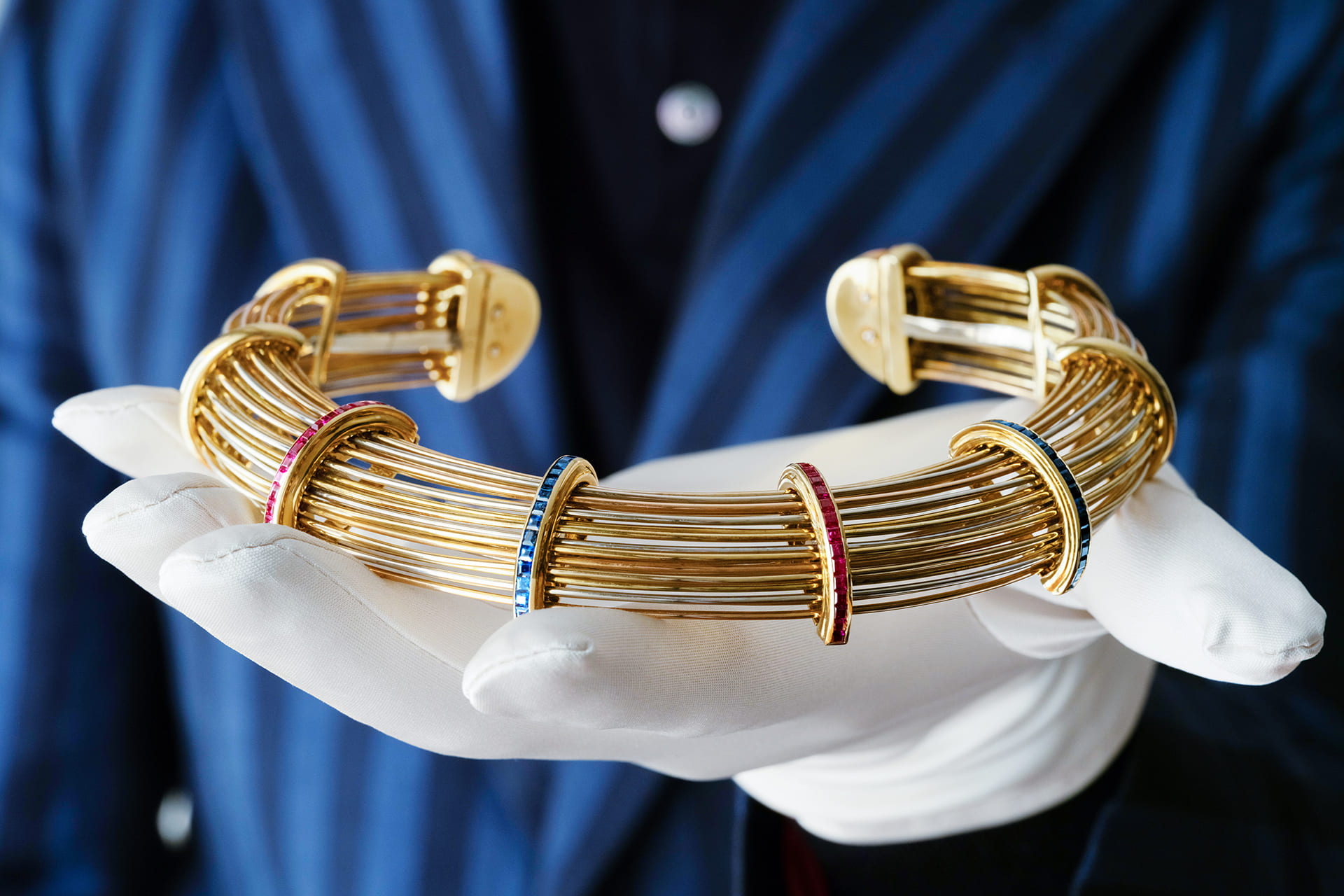
J.P. Morgan forecasts an average price of $5,055 per ounce by end-2026, rising to $5,400 by end-2027. This is a conservative estimate, based on the continuation of current trends without extreme shocks. Natasha Kaneva, Head of Global Commodities Strategy at J.P. Morgan, commented that while the gold rally has not been and will not be linear, the bank believes the trends driving this increase in gold’s base price are not yet exhausted – the long-term trend of official reserve diversification and investor allocation to gold is not yet complete. The forecast is based on expected sustained demand from investors and central banks of around 585 tonnes per quarter. The bank’s analysts note that approximately every 100 tonnes of demand above the baseline level of 350 tonnes drives a price increase of roughly 2% per quarter.
Thomas Winmill of Midas Funds predicts that gold will reach $5,500 per ounce within the next one to two months, citing strong central bank demand and growing distrust of dollar-denominated assets. His argument rests on a structural shift in the global financial architecture: given the strength of recent purchases and market positioning, central banks will continue diversifying away from the dollar.
Bank of America expects prices to reach $6,000 per ounce over the next 12 months, pointing to renewed tariff uncertainty as a factor that could shorten the consolidation phase. Michael Widmer of BofA noted that rising fiscal deficits in the US and elsewhere are stimulating demand for gold and may become a key driver going forward. The bank also cautions that investors have been slowing the pace of building their gold positions, which could lead to a period of softer prices in spring – though renewed tariff uncertainty may make the consolidation phase relatively brief.
Goldman Sachs has raised its end-2026 forecast to $5,400 per ounce (previously $4,900), acknowledging the more durable character of the current rally. The bank’s analysts emphasise that prices could continue to face upward pressure throughout 2026, particularly if geopolitical risks intensify or the Fed’s rate cuts prove deeper than expected.
UBS raised its targets to $6,200 per ounce in the first half of 2026 in January, though it anticipates some pullback to $5,900 by year-end. The Swiss bank particularly highlights the role of technological advances in mining and shifting consumer demand in sectors such as electronics and jewellery as factors influencing gold’s long-term dynamics.
HSBC believes trading momentum could push prices towards $5,000 per ounce in the first half of 2026, though volatility will remain elevated and pullbacks may become more frequent. The London bank links the rally to a combination of safe-haven demand, a weaker US dollar, and political uncertainty, noting that its currency strategists expect the dollar to remain soft in 2026.
The most ambitious forecast comes from independent analyst Ross Norman, who is calling for a peak of $6,400 per ounce with an average price of $5,375 over the year. Norman points to multiple supporting factors: from central bank purchases to growing demand for portfolio diversification.
The World Gold Council’s scenario analysis offers a practical framework for assessing gold’s prospects in 2026. Under the base case, prices are expected to remain broadly stable, but shifts in macroeconomic conditions could rapidly move gold into a different regime. If global growth slows and the Federal Reserve delivers deeper-than-expected cuts, gold could receive additional upside of 5% to 15%. In a more adverse environment – where trade tensions escalate or a meaningful equity market correction occurs – the gains could be more substantial still.
What unites all these forecasts is telling: not one serious analyst is expecting a significant price decline. The debate concerns only how high gold will go. Even the most conservative estimates assume that gold will remain above $5,000 per ounce for the foreseeable future. This establishes a new baseline for the jewellery industry – an era in which five-figure prices per ounce become the norm rather than the exception.
The Psychology of Investing in Gold
Behind the bare figures of prices and analyst forecasts lies a profound psychological dynamic that makes gold a unique asset in the modern financial system.
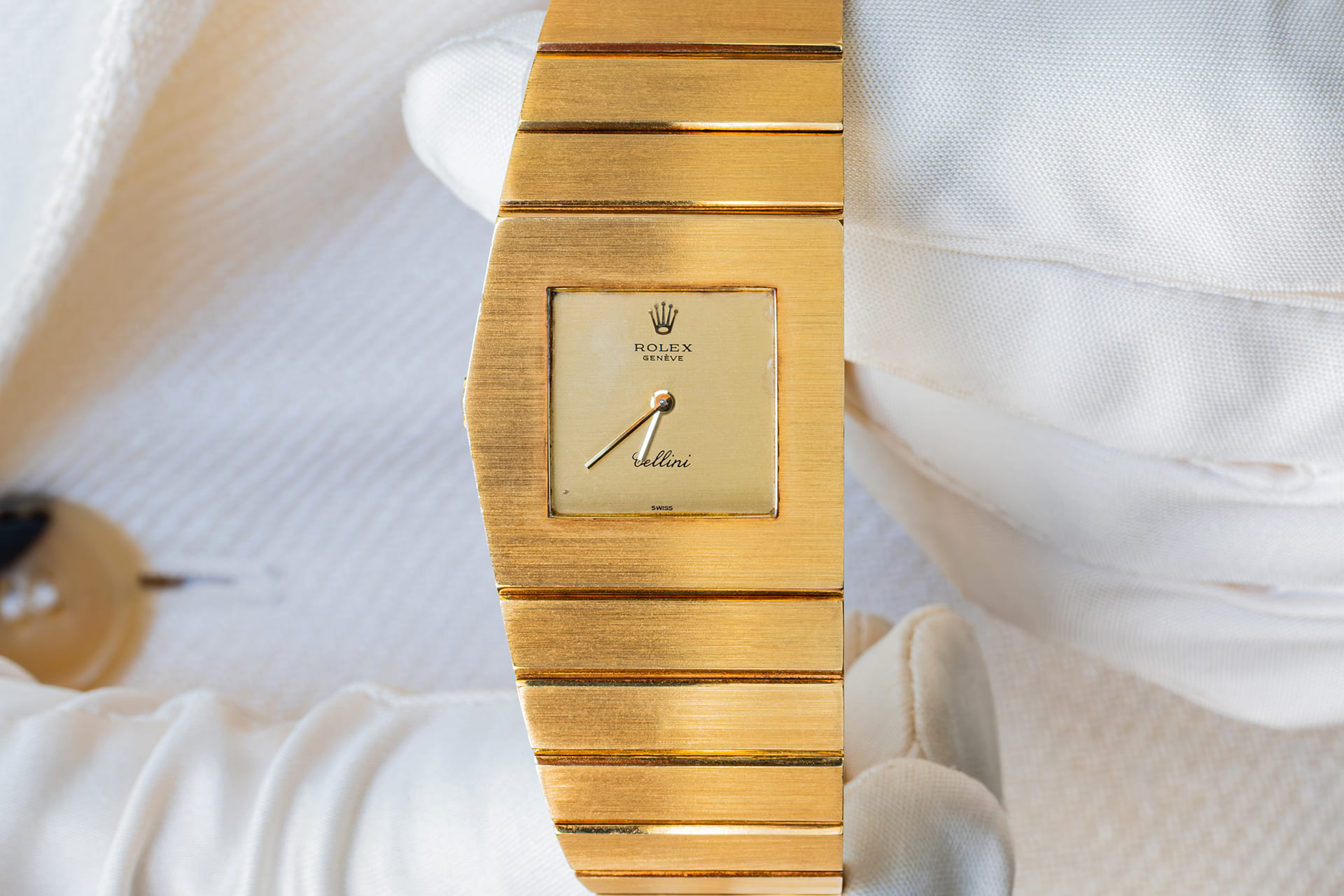
Gold is a tangible asset in an age of virtualised wealth. In a world where most assets exist only as entries in electronic databases, the ability to hold a gold bar or coin in one’s hands carries deep psychological weight. It is a concrete confirmation of wealth that does not depend on the uptime of servers, the credit rating of a bank, or the political stability of a country.
Financial psychologists note the phenomenon of “anchoring” in the perception of gold prices. When the metal is trading at all-time highs, new buyers often experience the fear of missing out (FOMO). Paradoxically, this very fear can fuel further gains: each new price increase does not deter buyers but draws them in, confirming the investment thesis.
Research reveals an interesting correlation: in periods when trust in governments and central banks falls, demand for gold rises disproportionately. This is not merely an economic calculation – it is a loss of faith in the promises of authorities to control inflation, protect the currency, and ensure stability. Gold in such moments becomes a vote of no confidence, a materialised scepticism.
For the jewellery industry, understanding this psychology is critically important. When a client buys a gold piece in 2026, they are making not just an aesthetic choice but a financial decision. Appreciating this duality helps to position pieces correctly, tell their story, and justify their price.
The Impact on the Jewellery Industry
For craftspeople working with precious metals, high gold prices bring both challenges and opportunities. Understanding these dynamics is essential for running a successful business in today’s environment.
Inventory and Procurement Management
In conditions of volatile prices, the strategy for purchasing gold demands particular attention. Buying large volumes in the hope of further gains can tie up capital and create liquidity risks. On the other hand, inadequate inventory can lead to missed opportunities if prices continue to rise. In the jewellery business, where orders can arrive unexpectedly, a shortage of materials means lost sales.
A rational approach includes:
Maintaining optimal working inventory – typically two to three months of production. This provides sufficient flexibility to fulfil orders without over-committing capital. At current prices, gold becomes one of the most expensive assets on a jewellery company’s balance sheet, and managing it requires financial discipline.
Using hedging instruments – to protect against sharp price spikes, larger producers can employ gold futures contracts. While this requires a degree of financial sophistication, hedging allows the purchase price to be locked in several months in advance, providing cost predictability.
Building relationships with reliable suppliers – in an era of high prices, it is especially important to work with suppliers offering flexible payment terms. The ability to pay after selling a finished piece, rather than before purchasing the raw material, can significantly improve cash flow. Long-term relationships with trusted suppliers also ensure priority access when materials are in short supply.
Monitoring market trends and expert forecasts to calibrate strategy. Subscribing to analytical reviews from leading banks (J.P. Morgan, Goldman Sachs, UBS), tracking news on central bank purchases, and understanding the geopolitical situation – all of this helps make more informed decisions about the timing and volume of purchases.
Some jewellers practise a system of “dollar-cost averaging” – making regular purchases of fixed amounts of gold regardless of the current price. This approach smooths the impact of volatility and removes the need to guess when the “perfect moment” to buy has arrived.
Pricing and Margins
High gold prices automatically increase the cost of goods. Jewellers face a dilemma: raise prices and risk losing clients, or hold the line and sacrifice margins. This problem is particularly acute for those working from catalogues or holding long-term contracts with fixed prices.
Several strategies can help:
Transparent communication with clients about the reasons for price increases. Today’s consumers are well-informed enough to understand market realities. Explaining that gold has risen 64% in a year makes a corresponding increase in the price of finished pieces logical and justifiable. Some jewellers even show clients gold price charts to demonstrate the objectivity of their pricing.
An emphasis on value and craftsmanship rather than the weight of metal alone. When material costs are high, the maker’s work becomes the key differentiator. Intricate design, uniqueness of execution, the story of creation – all of these justify a premium over the pure commodity value of the metal. The client is paying not for grams of gold but for a work of art that will serve generations.
Offering alternatives – white gold or platinum pieces may carry a different price dynamic. Although platinum is also expensive, its price does not rise as rapidly as yellow gold. High-grade silver with careful finishing can be presented as an elegant alternative for certain market segments.
Creating collections with lower gold content but more complex designs. Openwork, filigree, mixed-metal compositions – these techniques allow impressive pieces to be made while consuming less material. Some contemporary designers specialise precisely in such lightweight yet visually rich jewellery.
Segmenting the product range – offering lines at various price points allows a broad audience to be served. Premium pieces in solid gold sit alongside more accessible options where gold is used sparingly but to maximum effect.
Opportunities in Investment Jewellery
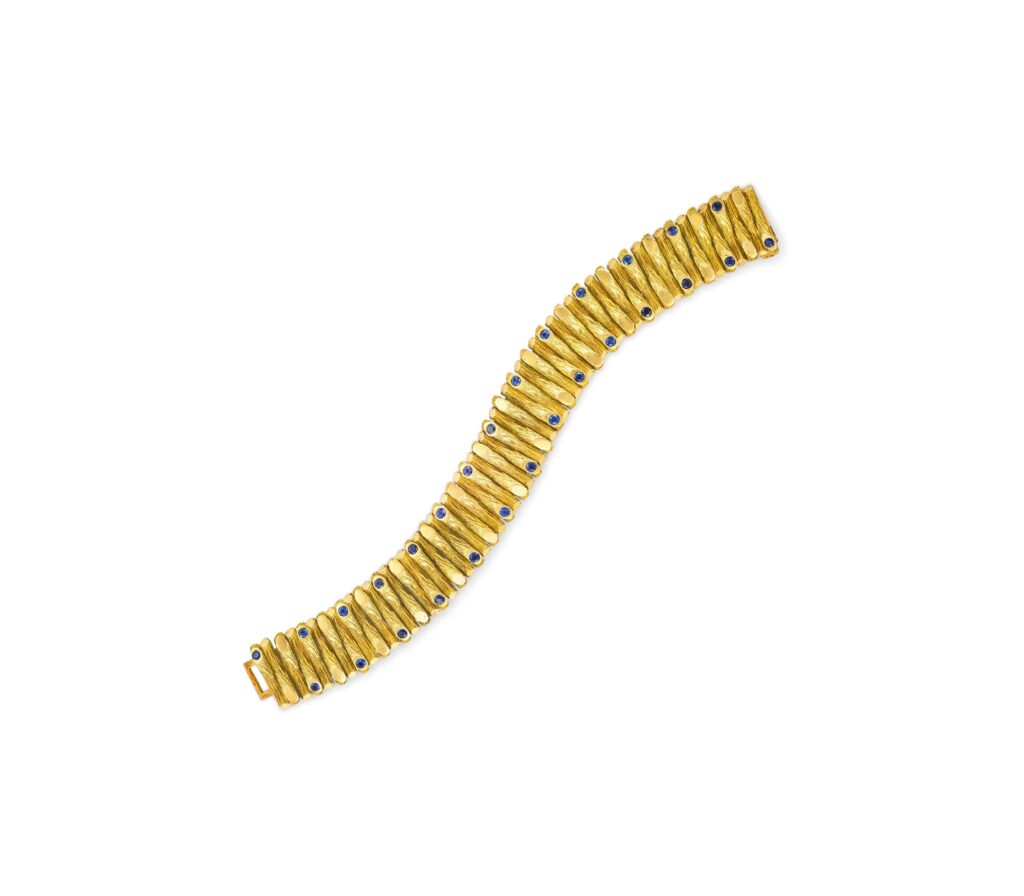
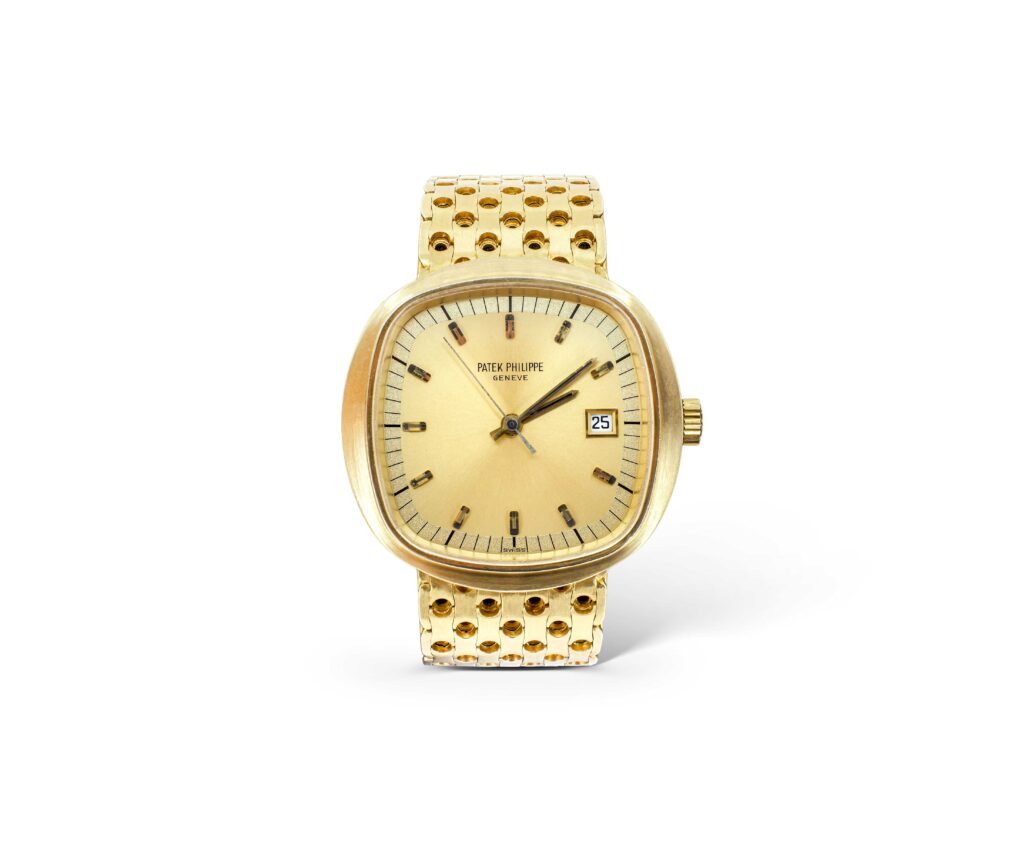
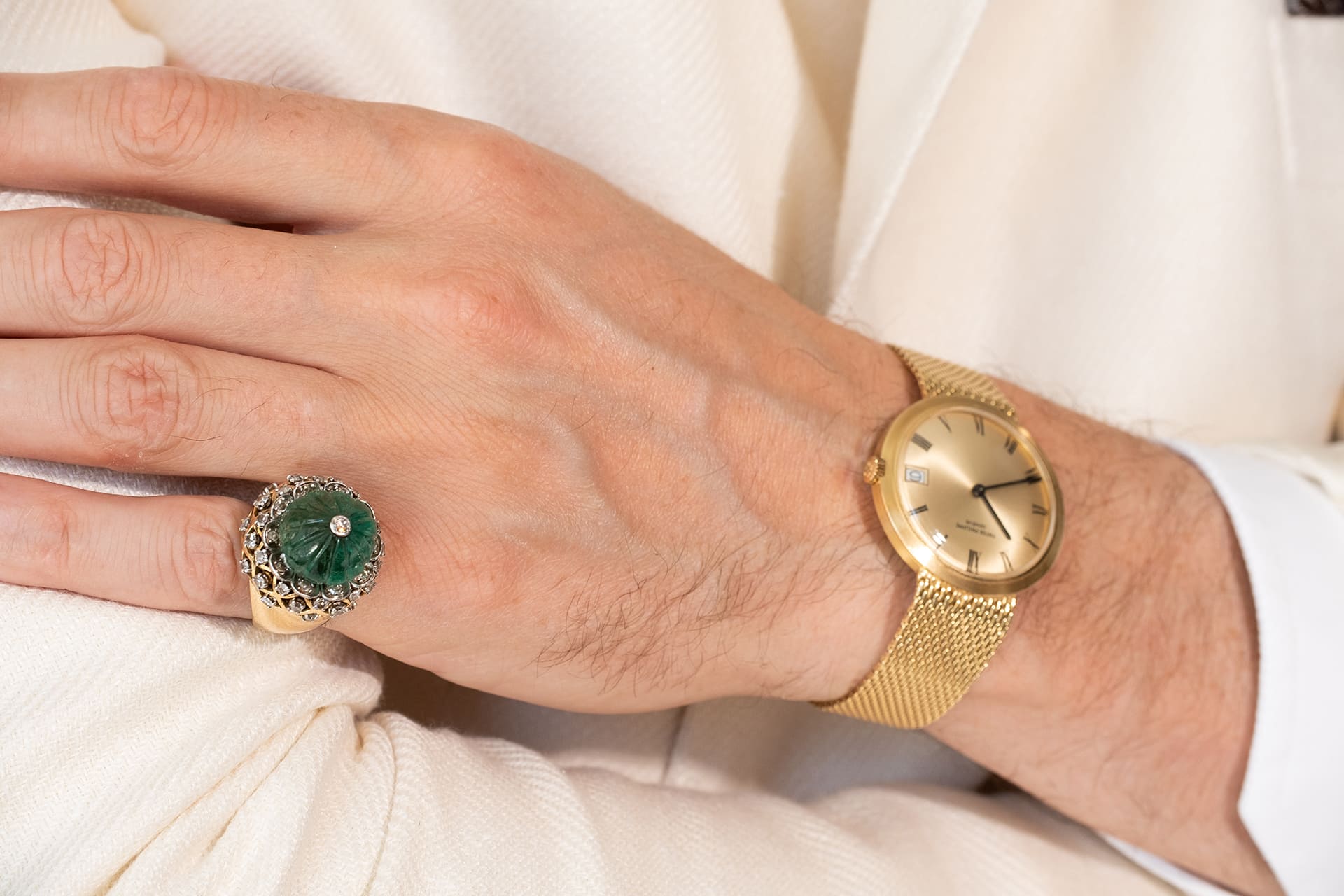
Paradoxically, high gold prices can become an advantage. Gold jewellery is beginning to be perceived not only as a luxury item but as an investment. Classic gold bracelets, chains, and minimalist rings take on additional value as a means of storing wealth – one that can also be worn and enjoyed.
This trend is particularly visible in countries with a history of high inflation or financial instability. In India, Turkey, and the Middle East, jewellery has traditionally served as a form of family savings. In 2026, this practice is spreading to Western markets, where growing distrust of traditional financial institutions is prompting people to seek tangible ways to preserve their wealth.
Jewellers can emphasise the dual nature of their pieces: aesthetic and investment alike. Certificates of authenticity stating the exact weight and fineness, documentation of the metal’s provenance, quality guarantees – all of this builds trust among buyers who regard a purchase as a long-term investment. Some jewellery houses even offer buyback services at a price linked to the current spot price of gold.
An interesting practice is developing in the wedding jewellery segment. Classic solid-gold wedding bands are being presented not only as a symbol of eternal love but as a financial asset – a kind of insurance for family wellbeing. In some cultures this is tradition, but in 2026 it is acquiring new relevance even in markets that previously favoured lighter, more design-led pieces.
Practical Advice for Buyers
For those considering the purchase of gold jewellery in current market conditions, the following guidelines can help in making a considered decision.
1. Understand the Dual Value of Jewellery
A gold jewellery piece is both a work of art and a material asset. When buying, consider both the aesthetic value and the weight of the precious metal. A classic wedding band weighing 5 grams in 18-karat gold contains 3.75 grams of pure gold – at the current price of around $164 per gram, that is approximately $614 in metal value alone. The maker’s work, design, and brand add further value on top.
However, it is important to understand the difference between investment gold and jewellery gold. A 999-grade bar can be sold at virtually the spot price at any bank or dealer. A jewellery piece, even in high-grade gold, is valued lower on resale – the new owner must either wear it as-is or melt it down, losing the value of the craftwork. Jewellery is therefore best regarded as a long-term acquisition to be worn and passed down through generations. If the goal is purely investment, bars or coins are the more rational choice.
2. Do Not Try to Time the Bottom of the Market
Experts caution against excessive focus on finding the perfect entry point. Hiren Chandaria of Monetary Metals advises that for long-term investors, the greater risk is waiting for the “ideal” entry and missing the structural uptrend. If a piece appeals to you, fits your budget, and you plan to wear it for years, the current price may well be entirely justified.
History shows that attempts to predict short-term swings in the gold price are rarely successful. The metal can remain at elevated levels for years, and waiting for a correction means forgoing the pleasure of owning a beautiful piece.
On the other hand, if you are planning a significant purchase and are not tied to a specific timeline, monitoring the market can help find a more favourable moment. Gold is volatile – a 3–5% correction over a week or two is not uncommon even within an overall upward trend.
3. Require Full Documentation
Certificates of authenticity and information on fineness, weight, and provenance matter not only to confirm quality but for potential resale. Reputable jewellery houses provide detailed documentation for every piece.
Pay attention to the assay office hallmark – every country has its own marking system, but it always includes the fineness and the maker’s mark. For antique jewellery, the presence of original hallmarks can significantly enhance the collectible value.
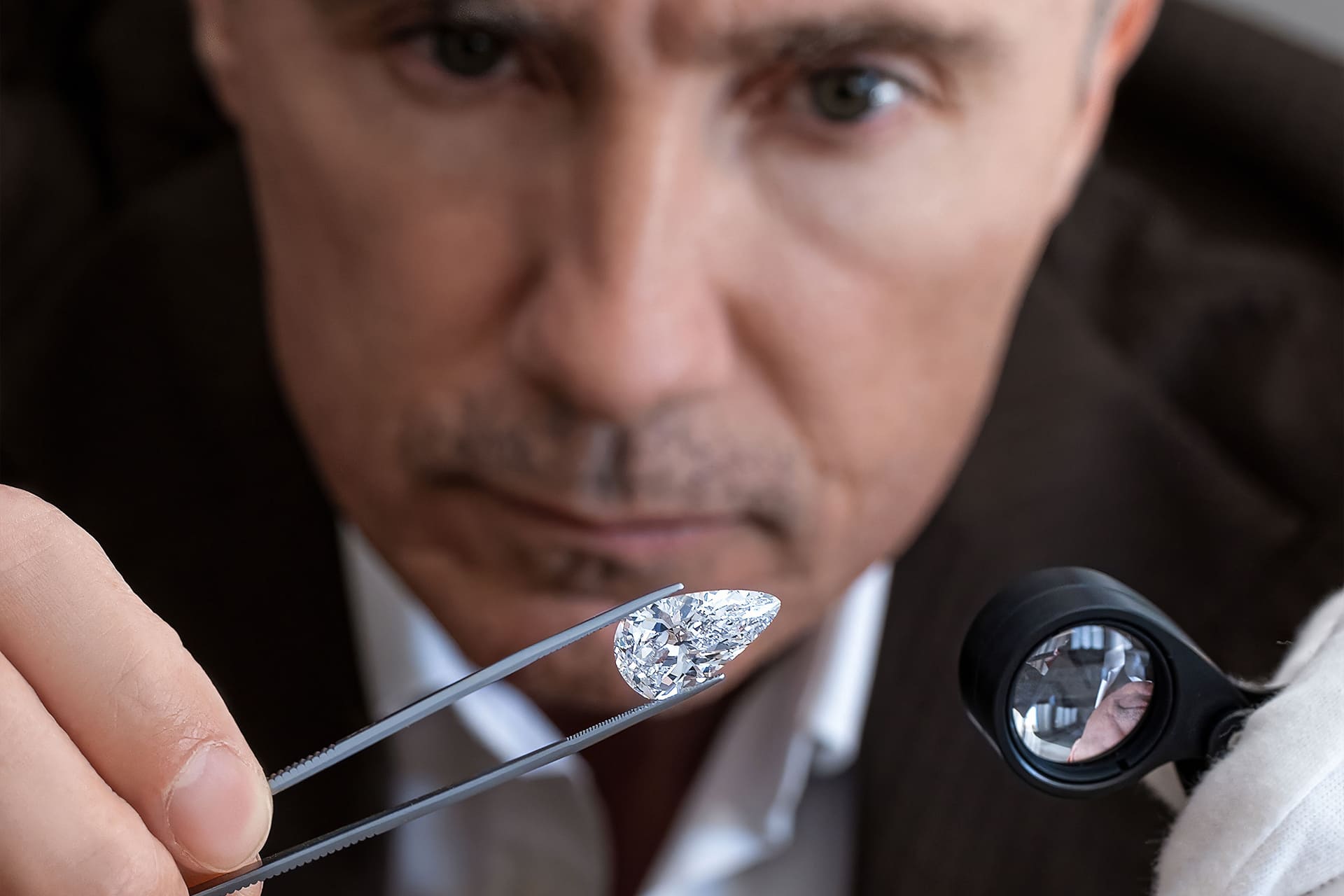
If a piece contains gemstones, separate certificates from recognised gemmological laboratories (GIA, IGI, HRD) document their characteristics. This is particularly important for larger stones – the difference in price between a certified and an uncertified stone can be 20–30%.
Keep all documentation in a safe place. When pieces are inherited or sold, a complete set of documents greatly simplifies the process and builds the buyer’s confidence.
4. Consider Classic Designs
In conditions of high prices, pieces of timeless beauty – simple wedding bands, elegant chains, classic earrings – represent a wise choice, combining aesthetics with investment value. Fashionable designs may fall out of style, but classics remain relevant for decades.
Byzantine chain-weave, polished solitaire rings, diamond stud earrings – these forms have been tested by centuries. They are versatile in wear, suit any style of dress, and combine easily with other jewellery. What is more, classic pieces are easier to sell or pass down through generations – their appeal does not depend on the whims of fashion.
5. Work with Trusted Craftspeople and Houses
In a world where gold is priced in thousands of dollars per ounce, trust in the jeweller becomes paramount. A reputation built over years of honest work, authenticity guarantees, transparent pricing – these are what distinguish true professionals from casual vendors.
Established jewellery houses offer not only quality pieces but after-sales service: cleaning, repairs, resizing, stone upgrades. These are long-term relationships, not one-off transactions. When you purchase a piece for several thousand euros, it matters to know that a decade from now you can return to the same craftsperson for servicing or advice.
Pay particular attention to vintage and antique jewellery. Here, the seller’s expertise is critical – authenticity must be confirmed, condition assessed, the piece dated. Specialist galleries such as Grygorian Gallery possess deep knowledge of the history of jewellery-making and can guarantee the authenticity of every item.
6. Consider the Form of Ownership
Modern technology offers various ways of investing in gold: from physical metal to gold-backed digital tokens. For those who want to combine the investment dimension with aesthetic pleasure, jewellery remains the optimal choice.
However, it is worth understanding the liquidity of different forms. A standard bar sells in minutes; coins in hours; jewellery may require weeks to find a buyer willing to pay a fair price. This is not a shortcoming but a characteristic -jewellery is not intended for rapid speculation; it is made for long-term ownership and enjoyment.
7. Insurance and Secure Storage
At current gold prices, even a relatively modest jewellery collection can represent significant value. Specialist jewellery insurance covers not only theft but loss and damage as well. The cost of coverage is typically 1–2% of the assessed value per year – a small price for peace of mind.
For storing larger collections, consider a bank safe-deposit box or specialist vault. Home safes are convenient for everyday pieces, but for particularly valuable historical items, professional storage with climate control and round-the-clock security may be warranted.
Gold as Insurance Against Uncertainty
For centuries, gold has been a reliable refuge in periods of political and economic instability. Its status as a highly liquid commodity that can be easily transported and sold anywhere creates a sense of security when everything else is in turmoil.
In the modern world, where geopolitical risks are multiplying and trust in traditional financial institutions is under strain, gold is once again demonstrating its worth. This is not speculative fashion but a fundamental recognition that certain values are impervious to time.
Consider the historical parallels. In the 1970s, when the United States faced stagflation following the abandonment of the gold standard, the price of gold rose from $35 to $850 per ounce – a gain of more than 24 times over the decade. In 2008, during the global financial crisis, gold was one of the few assets that not only preserved its value but appreciated.
The current situation contains elements of both of those periods: inflationary pressure, geopolitical instability, and a crisis of confidence in financial institutions. It is little wonder that investors are once again turning to the time-tested refuge of gold.
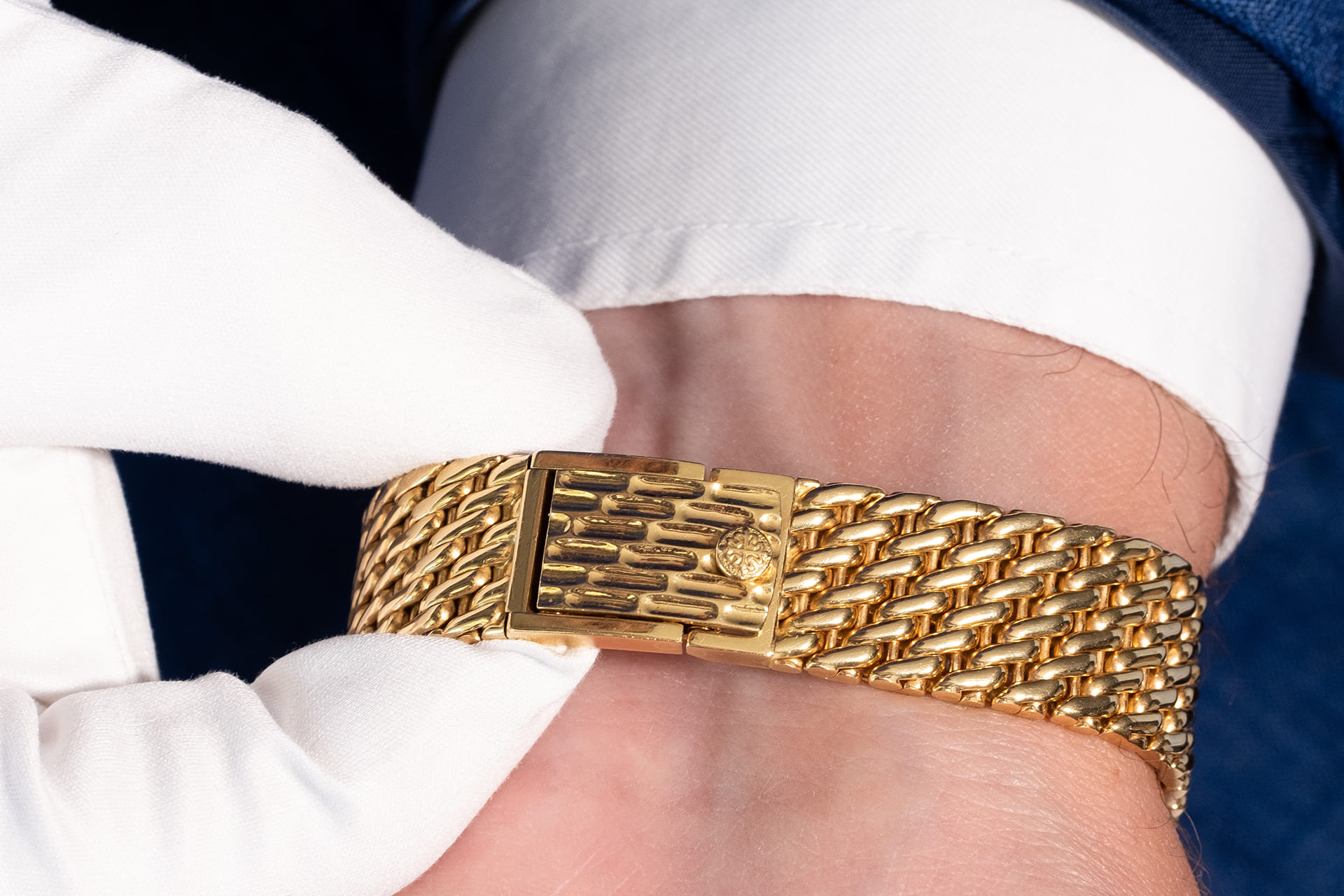
For owners of gold jewellery, this means that their collection serves not only an aesthetic function. It is material insurance that can be worn and enjoyed daily. Unlike a life insurance policy – which one hopes never to need – a gold piece brings pleasure every day while simultaneously protecting a portion of one’s wealth from inflation and geopolitical upheaval.
Conclusion: Gold as Part of a Legacy
Gold prices at $5,000 per ounce are not an anomaly — they are a reflection of a new reality: one in which tangible assets are valued above promises, and the enduring is prized above the ephemeral. For the jewellery industry, this is a time of both challenge and opportunity.
We live in an era of fundamental revaluation. After decades of dominance by paper assets and digital promises, investors and private individuals are once again turning to material forms of wealth. Gold is the purest, the most time-tested of these forms.
At Grygorian Gallery, we see in every gold piece not merely grams of precious metal but a story of craftsmanship, beauty, and enduring value. Vintage pieces created decades ago are acquiring additional significance today – they carry both the artistic heritage of the past and the material value of the present.
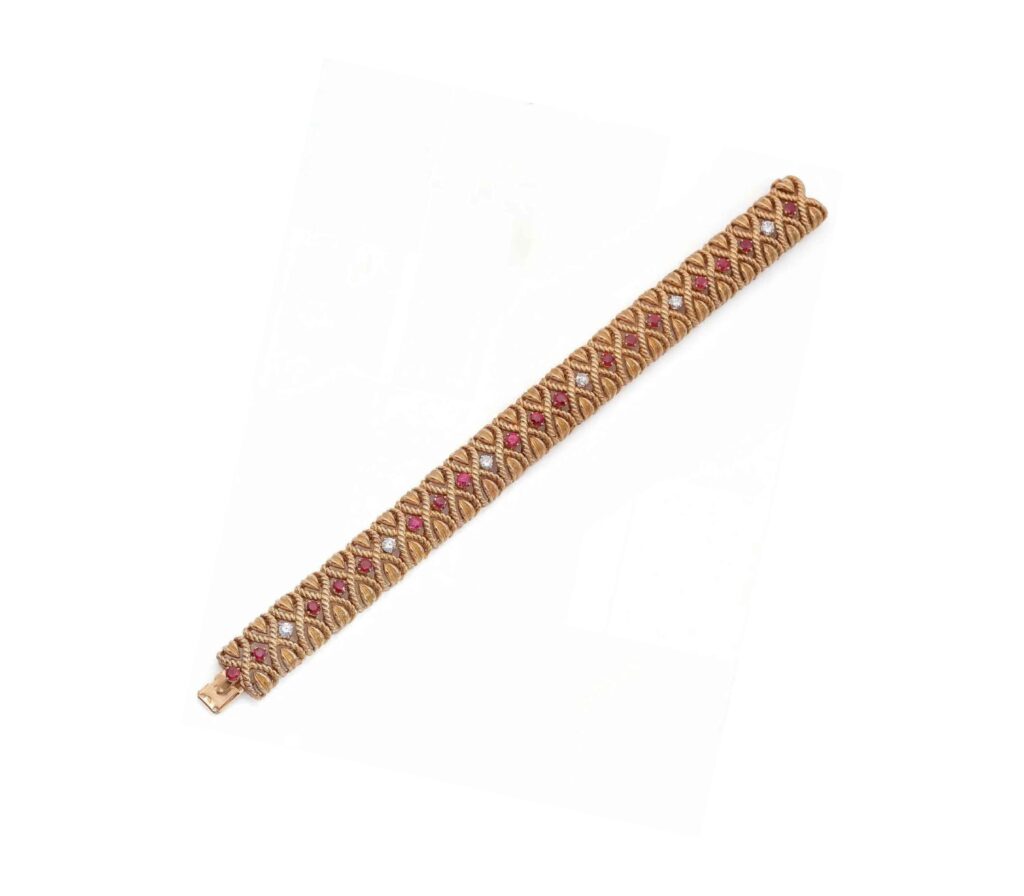
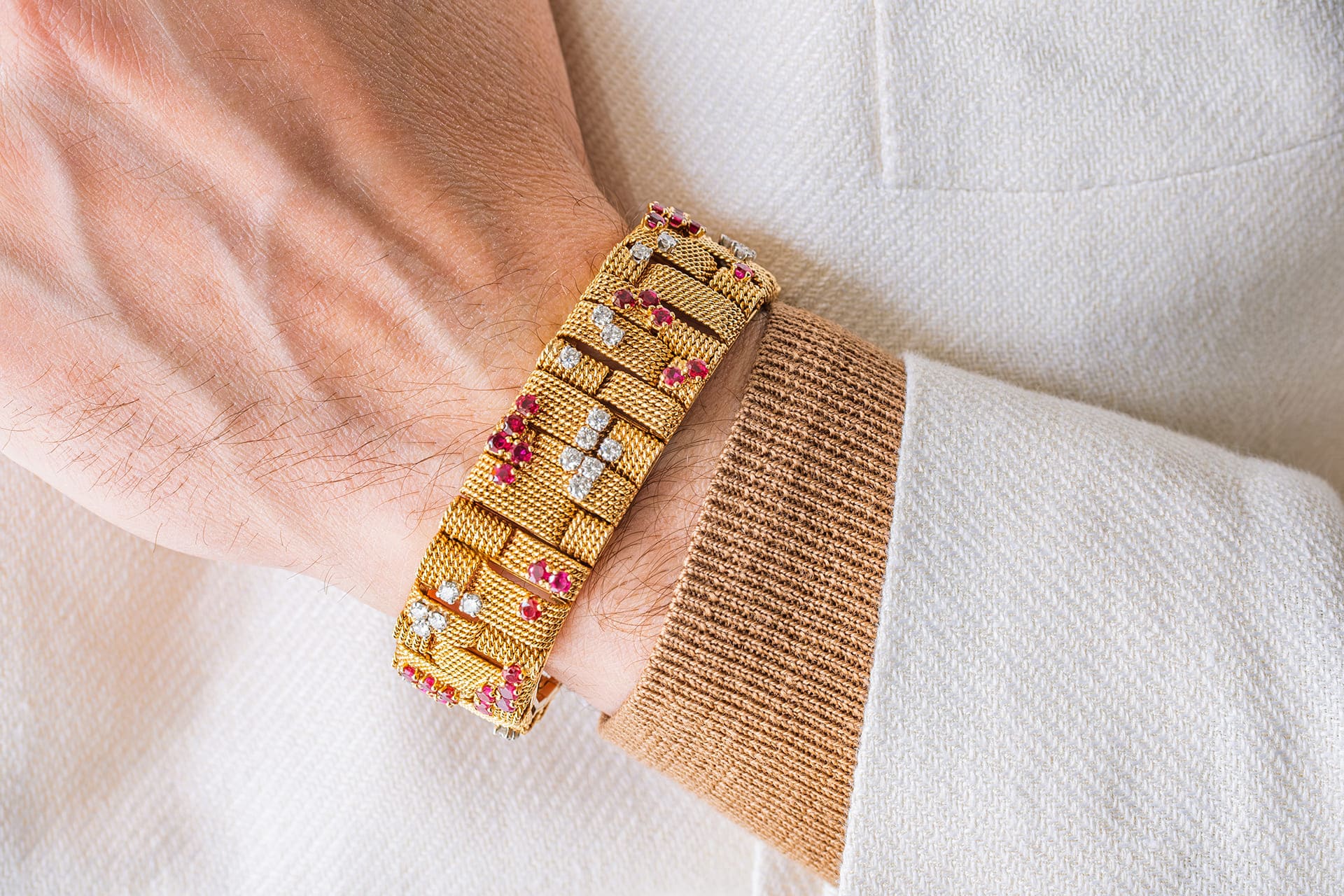
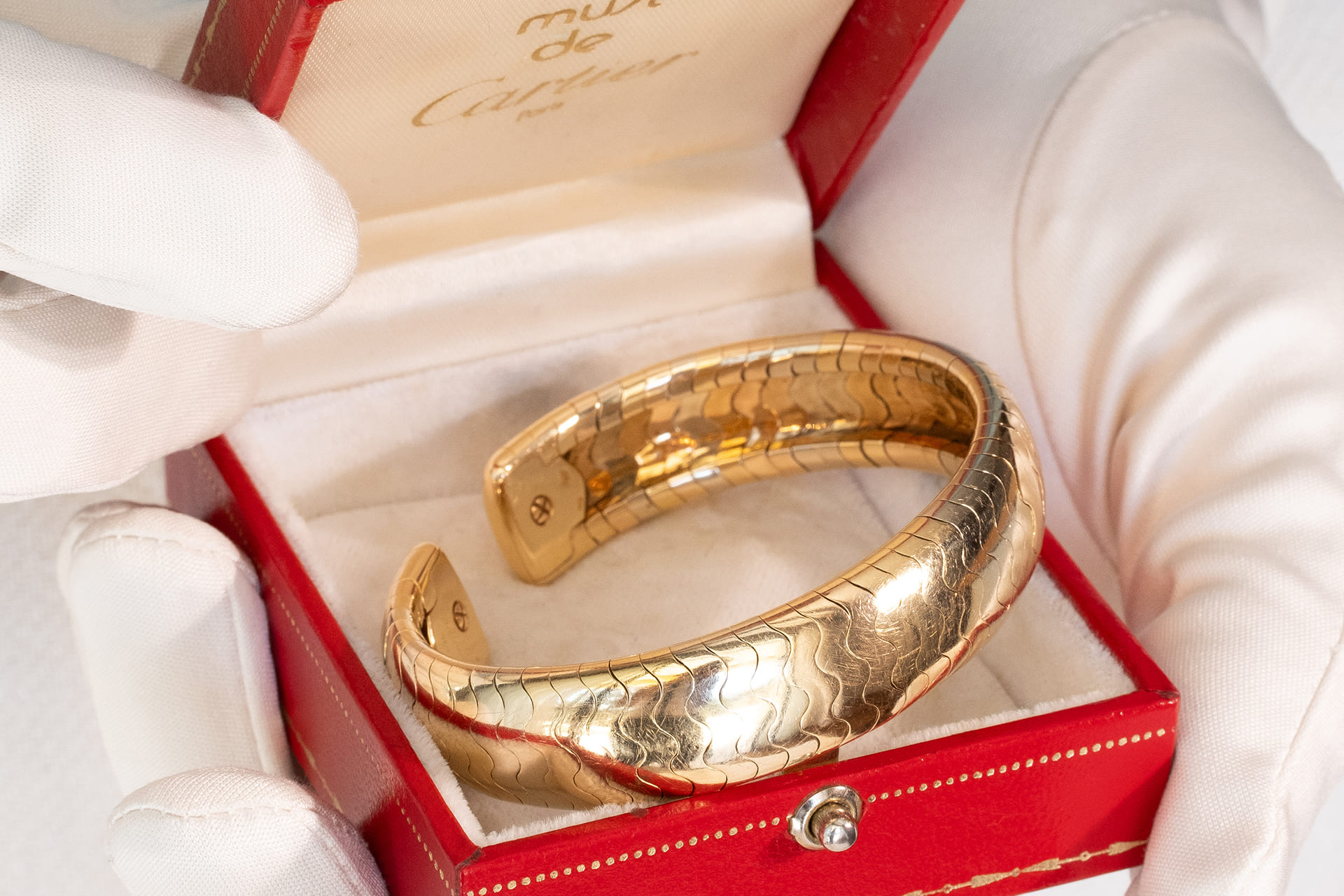
Consider a concrete example. A Cartier gold bracelet from the 1960s weighing 50 grams in 18-karat gold contains 37.5 grams of pure gold. In 1965, when gold was priced at $35 per ounce (approximately $1.13 per gram), the metal value was around $42. Today, at approximately $164 per gram, those same 37.5 grams are worth $6,150. That is a 146-fold increase in metal value alone – without accounting for the artistic merit, rarity of design, or the prestige of the Cartier name.
But the true value of such a bracelet is not arithmetic. It is the opportunity to touch an era when jewellery-making was at its peak – when craftspeople created pieces designed to endure for centuries. It is a material connection to history: not the abstract history of textbooks, but a living history that can be worn on the wrist.
Lessons from History for Today’s Investors
First lesson: the long view. Gold can be volatile in the short term – falls of 10–15% over a few days are not unusual. But over the long term, measured in decades, gold has invariably preserved its purchasing power. An ounce of gold in 1920 would buy a quality man’s suit. An ounce of gold today will also buy a quality man’s suit. The same cannot be said of paper currency.
Second lesson: diversification. Gold should be part of a balanced approach to wealth preservation, not the sole asset. The traditional recommendation of 5–10% of a portfolio in precious metals remains sound: enough to provide protection in a crisis, but not so much as to forgo growth opportunities in other asset classes.
Third lesson: form matters. Physical gold in the form of jewellery has advantages and disadvantages compared with bars, coins, or paper gold (ETFs). The advantage: aesthetic pleasure, the ability to wear and display the piece, artistic value above and beyond the metal. The disadvantage: lower liquidity, a premium for craftsmanship upon purchase that may not be fully recouped on sale.
Fourth lesson: provenance and authenticity. In a world where gold commands thousands of dollars per ounce, counterfeiting and fraud become more sophisticated. Purchasing from verified sources with full documentation is not paranoid caution but sound investment hygiene.
The Practice of Mindful Ownership
In an era of high gold prices, owning jewellery calls for a more considered approach.
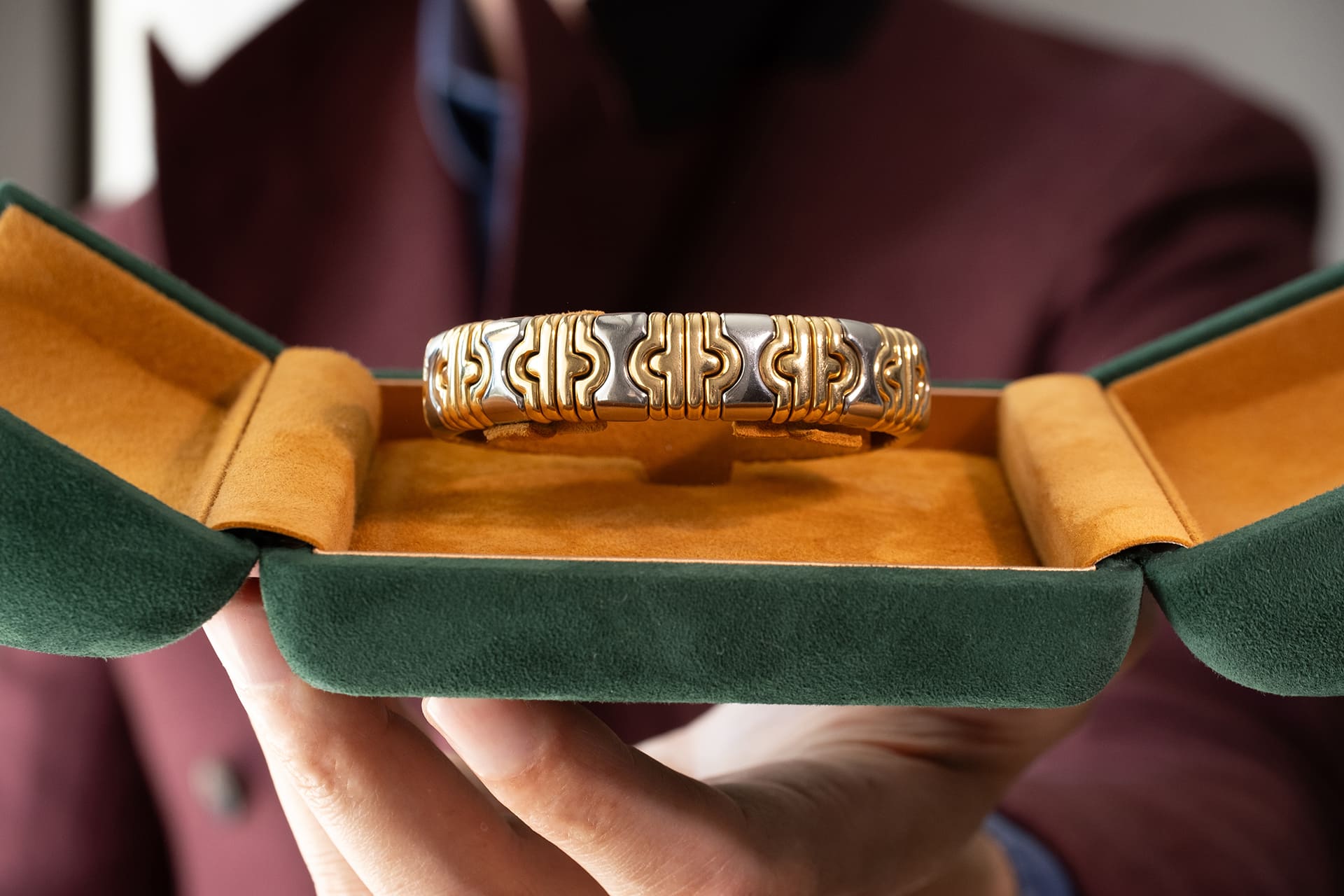
Regular maintenance. Gold jewellery – particularly vintage pieces – benefits from periodic cleaning and inspection of settings. Professional cleaning once a year helps preserve the appearance and catches potential problems before they lead to the loss of stones or damage to the piece.
Proper storage. Gold does not tarnish, but it can scratch when in contact with other jewellery. Separate soft pouches for each piece and dividers in a jewellery box are simple measures that preserve the beauty of pieces for decades.
Insurance and documentation. When a small collection can be worth tens of thousands of euros, specialist insurance and photographic records of each piece – with details of their characteristics – are prudent precautions.
Passing down through generations. Gold jewellery often becomes a family heirloom. Documenting the history of each piece – when and where it was purchased, on what occasion, who wore it – transforms a valuable object into a vessel of family memory.
The Future of Gold: A View to 2027–2030
Although precise predictions are impossible, several trends point to probable scenarios for gold in the years ahead.
Structural demand will persist. Central banks are unlikely to sharply curtail gold purchases. De-dollarisation is not a short-term reaction to current events but a long-term strategic reorientation. As long as geopolitical fragmentation continues, this trend will endure.
Demographic shifts. The younger generation in Asia – the primary consumer of gold jewellery – is growing wealthier. The middle class in India and China is expanding, and with it the demand for gold as a symbol of achieved status and a form of savings.
Technological innovation. New ways of owning gold – from tokenised gold on the blockchain to physically redeemable ETFs – are making the metal accessible to a broader audience. This could increase demand, particularly among technologically savvy younger generations.
Environmental considerations. Growing attention to sustainability and ethical sourcing could reshape the industry. Recycled gold and responsibly mined gold with full supply-chain traceability may command a premium over standard metal. For jewellers, this opens new opportunities for differentiation and positioning.
The most probable scenario is continued volatility at elevated levels. Gold is likely to trade in a wide range of $4,500–$6,000 per ounce, responding to news while maintaining its overall upward trend over the long term.
Gold will continue to shine, as it has for millennia. And those who understand its true nature – not merely as an investment but as a connection to something eternal – will always find in it a source of beauty, security, and inspiration.
In a world of constant change, uncertainty, and volatility, gold remains a constant – not because its price never changes, but because its fundamental nature does not. It is material, finite, beautiful, and imperishable. It was precious five thousand years ago, and it will be precious five thousand years from now.
For those who work with gold – jewellers, designers, collectors – this moment demands adaptation but also opens unprecedented possibilities. Every piece created today carries not only artistic value but material worth that will grow alongside humanity’s understanding of what is truly scarce and truly beautiful.
At Grygorian Gallery, we continue the tradition begun by the great jewellery houses of the past: creating and curating pieces that will outlast their makers, their first owners, and perhaps even the financial systems in which they were purchased. Because gold, in the end, is not an investment in the future. It is an acknowledgement that certain things exist beyond time.